Brunfelsia pilosa
NameBrunfelsia pilosa
Scientific NameBrunfelsia pilosa
Common NamesHairy Brunfelsia, Yesterday-Today-and-Tomorrow
Plant FamilySolanaceae
Natural HabitatNative to the tropical and subtropical forests of Brazil, this plant thrives in warm, humid environments with rich, well-drained, acidic soil.
Parts Usedroot,bark,leaf
Medicinal Actionsanalgesic, anti-inflammatory, sedative
Traditional UsesTraditionally, various Brunfelsia species, including B. pilosa, have been used by indigenous communities in South America for conditions such as fever, rheumatism, and syphilis, and as a purgative or emetic. It is also employed in shamanic rituals for its psychoactive properties, but its use is highly restricted due to its potent toxicity.
Active ConstituentsBrunfelsamidine, Manacine, Scopoletin, Indole alkaloids
Preparation Methodsdecoction, tincture, powder, poultice
Contraindications & WarningsAll parts of Brunfelsia pilosa are highly toxic and considered poisonous. Ingestion can cause severe symptoms including nausea, vomiting, diarrhea, tremors, seizures, paralysis, and potentially death. It should not be used internally without expert supervision and is generally not recommended for self-medication.
Cultivation NotesPrefers warm, humid climates (USDA zones 9-11), well-drained, acidic soil, and partial shade. Requires consistent moisture and protection from frost.
Rarityuncommon
Description
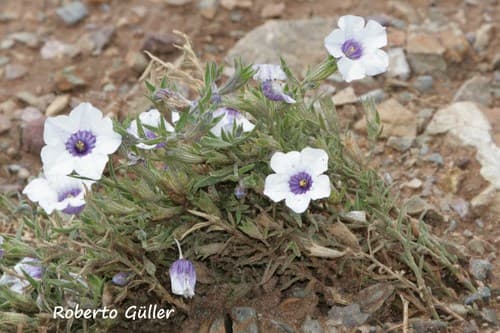
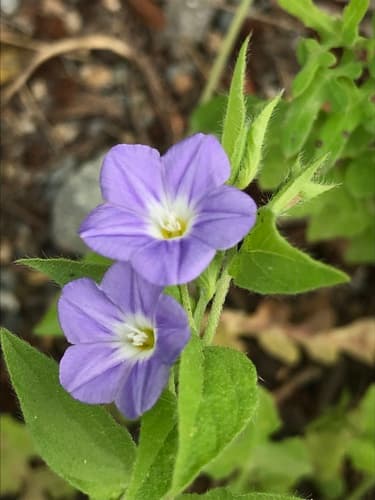
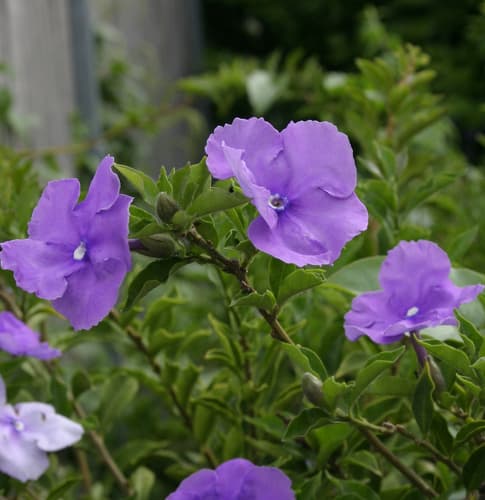
Brunfelsia pilosa is a tropical evergreen shrub known for its striking, fragrant flowers that undergo a distinct color transformation from deep purple to lavender and finally white over several days. Its foliage consists of simple, ovate, dark green leaves.