Pacific Yew
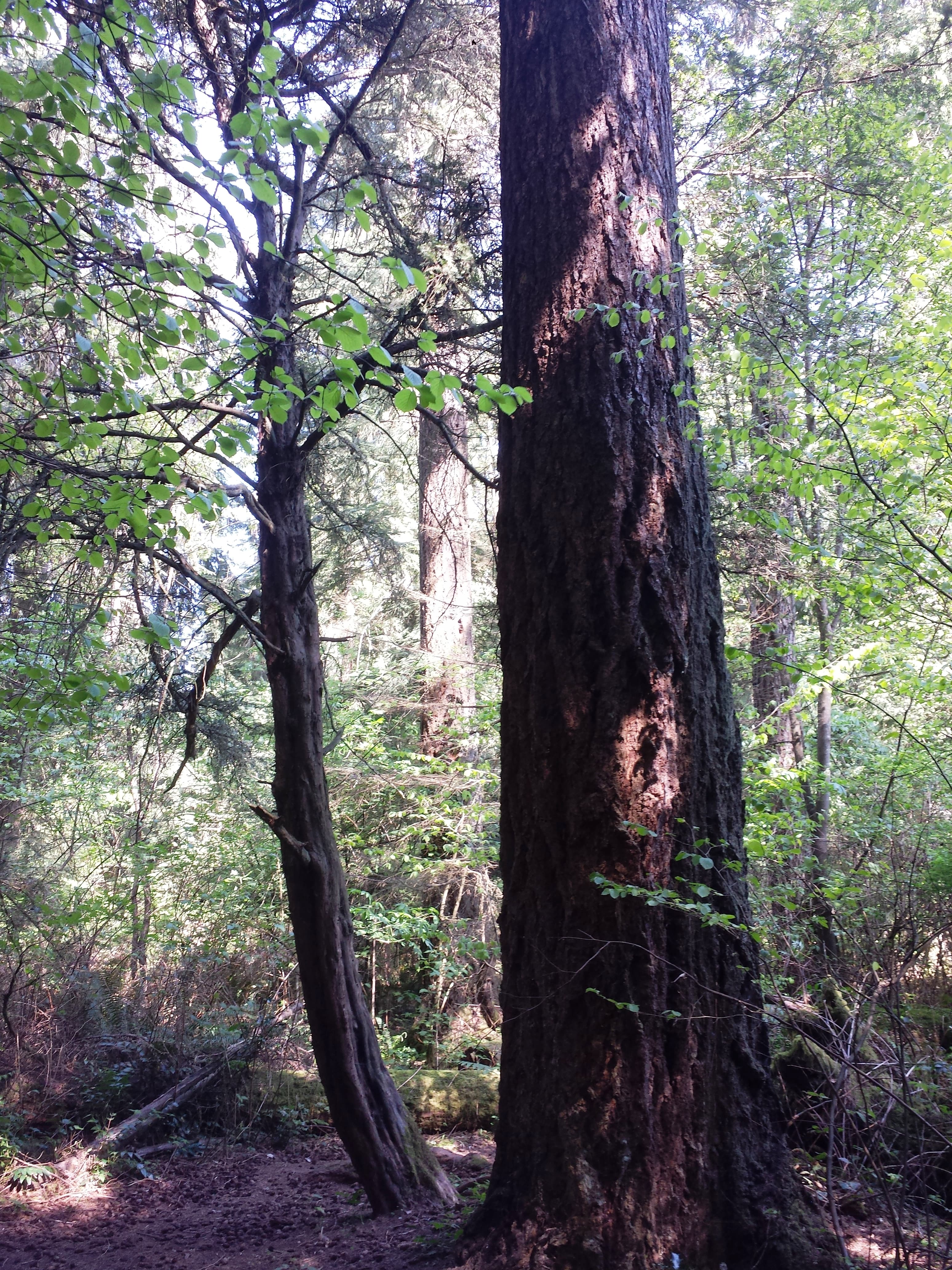
Image: brewbooks from near Seattle, USA (CC BY-SA 2.0)
NamePacific Yew
Scientific NameTaxus brevifolia
Common NamesPacific Yew, Western Yew, Oregon Yew, California Yew
Plant FamilyTaxaceae
Natural HabitatFound in moist, cool forests of the Pacific Northwest, typically growing in the understory of larger conifers, along streams, and on shaded slopes from Alaska to California.
Parts Usedbark,leaf,seed
Traditional UsesTraditionally, various Indigenous peoples of the Pacific Northwest used the bark and needles for a range of ailments, including rheumatism, tuberculosis, and as a general tonic, often applied externally or in very small, carefully prepared internal doses due to its extreme toxicity. Modern medicine has isolated paclitaxel (Taxol) from its bark, which is a crucial chemotherapy drug used to treat various cancers.
Active ConstituentsPaclitaxel, Taxanes
Preparation Methodsdecoction, powder
Contraindications & WarningsAll parts of the Pacific Yew, except the fleshy aril surrounding the seed, are highly poisonous and can be fatal if ingested. Symptoms of poisoning include nausea, vomiting, abdominal pain, dizziness, cardiac arrest, and respiratory failure. It should never be used internally without strict medical supervision. Interacts with numerous medications, especially other chemotherapy agents.
Cultivation NotesPacific Yew is a slow-growing tree that prefers moist, well-drained soils and partial to full shade. It is tolerant of a range of soil types but thrives in rich, organic forest soils and can be difficult to cultivate outside its native range.
Rarityuncommon
Description
A small to medium-sized evergreen conifer, often growing as an understory tree in dense forests. It is characterized by its thin, reddish-brown, scaly bark and flattened, dark green needles arranged spirally on the twigs.