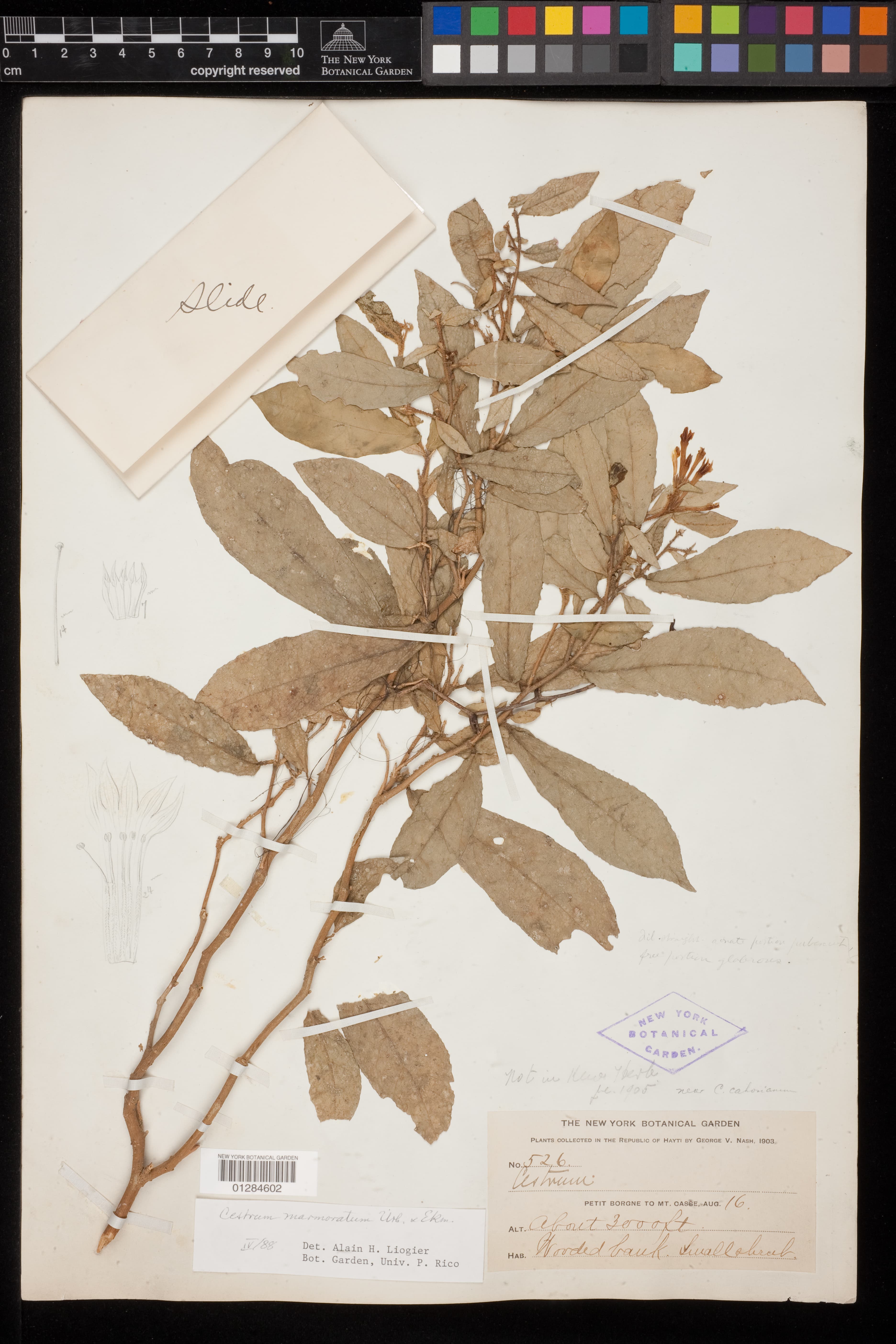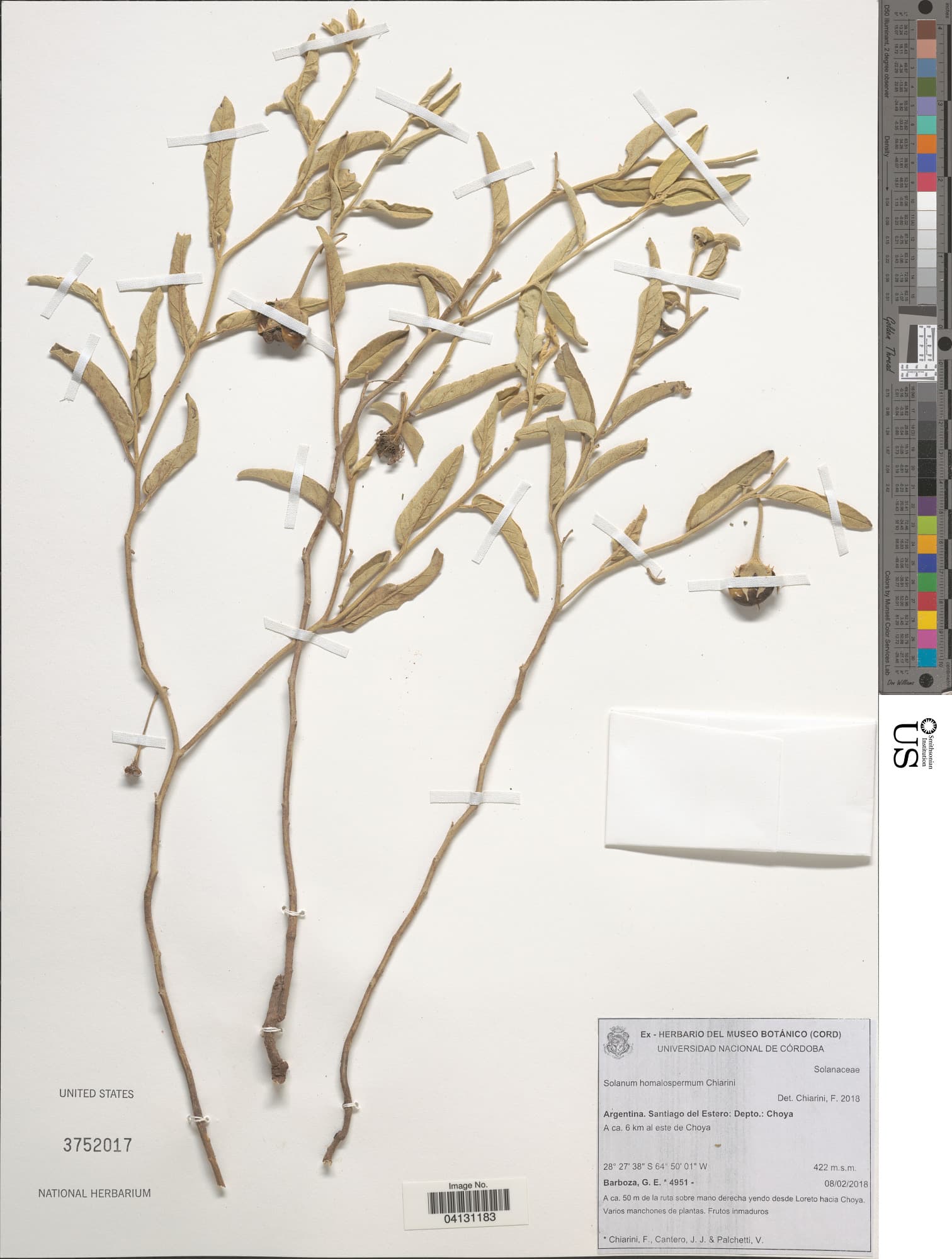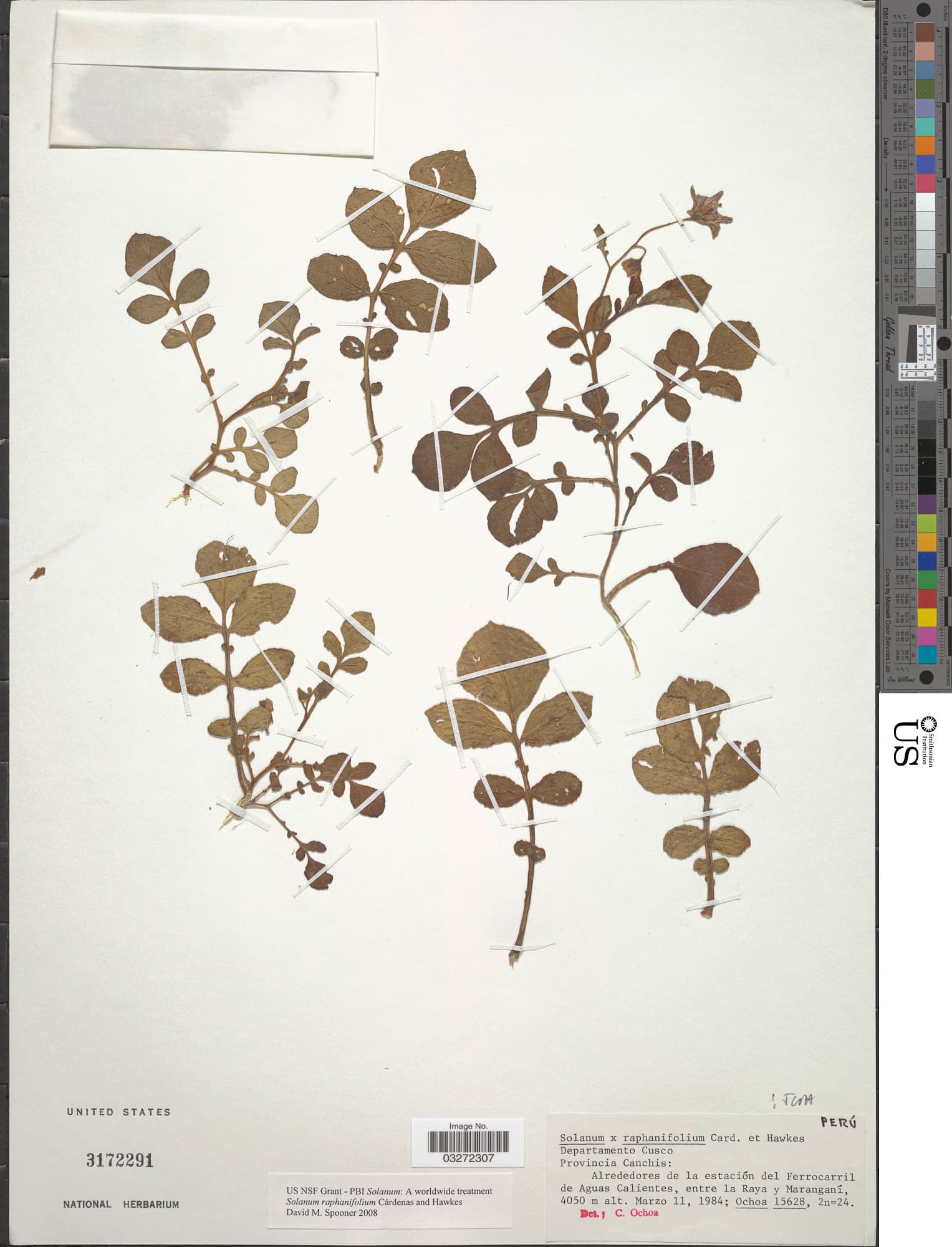
Solanum raphanifolium
Image: Conveyor Belt (cc0)
NameSolanum raphanifolium
Scientific NameSolanum raphanifolium Cárdenas & Hawkes
Common NamesWild Potato
Plant FamilySolanaceae
Natural HabitatNative to the high-altitude Andes of Peru, found in areas such as Cusco province at elevations around 4050 meters (13,300 ft). It thrives in cool, well-drained, often rocky soils typical of puna or high-altitude grasslands.
Parts Usedtuber,whole_plant
Medicinal Actionsantioxidant, anti-inflammatory
Traditional UsesPrimarily used as a food source, particularly its tubers, by indigenous communities in the Andes, often requiring specific preparation methods to reduce naturally occurring glycoalkaloids. Specific traditional medicinal uses for Solanum raphanifolium are not widely documented in general ethnobotanical literature.
Active Constituentssteroidal glycoalkaloids, phenolic compounds, flavonoids
Preparation Methodspowder, decoction, infusion
Contraindications & WarningsHigh levels of glycoalkaloids can cause gastrointestinal upset, neurological symptoms, and in severe cases, be toxic. Consumption by pregnant or breastfeeding women, young children, or individuals with liver/kidney conditions is not recommended.
Cultivation NotesPrefers cool temperatures, full sun, and well-drained, possibly rocky or sandy loam soils. Adapted to high-altitude, harsh Andean environments and requires a long growing season.
Rarityuncommon
Description
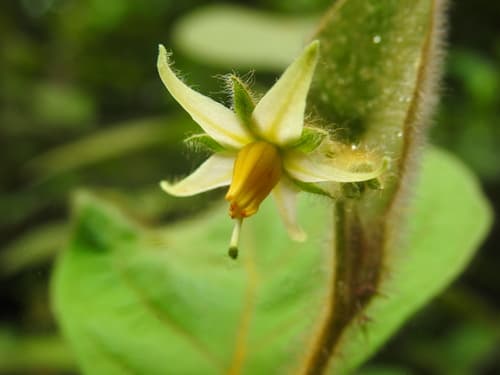
Solanum raphanifolium is a herbaceous perennial wild potato species characterized by simple, ovate to elliptic leaves with entire margins. It produces small, star-shaped flowers, typically white or purplish, and forms small tubers underground.