Solanum homalospermum
Image: Conveyor Belt (cc0)
NameSolanum homalospermum
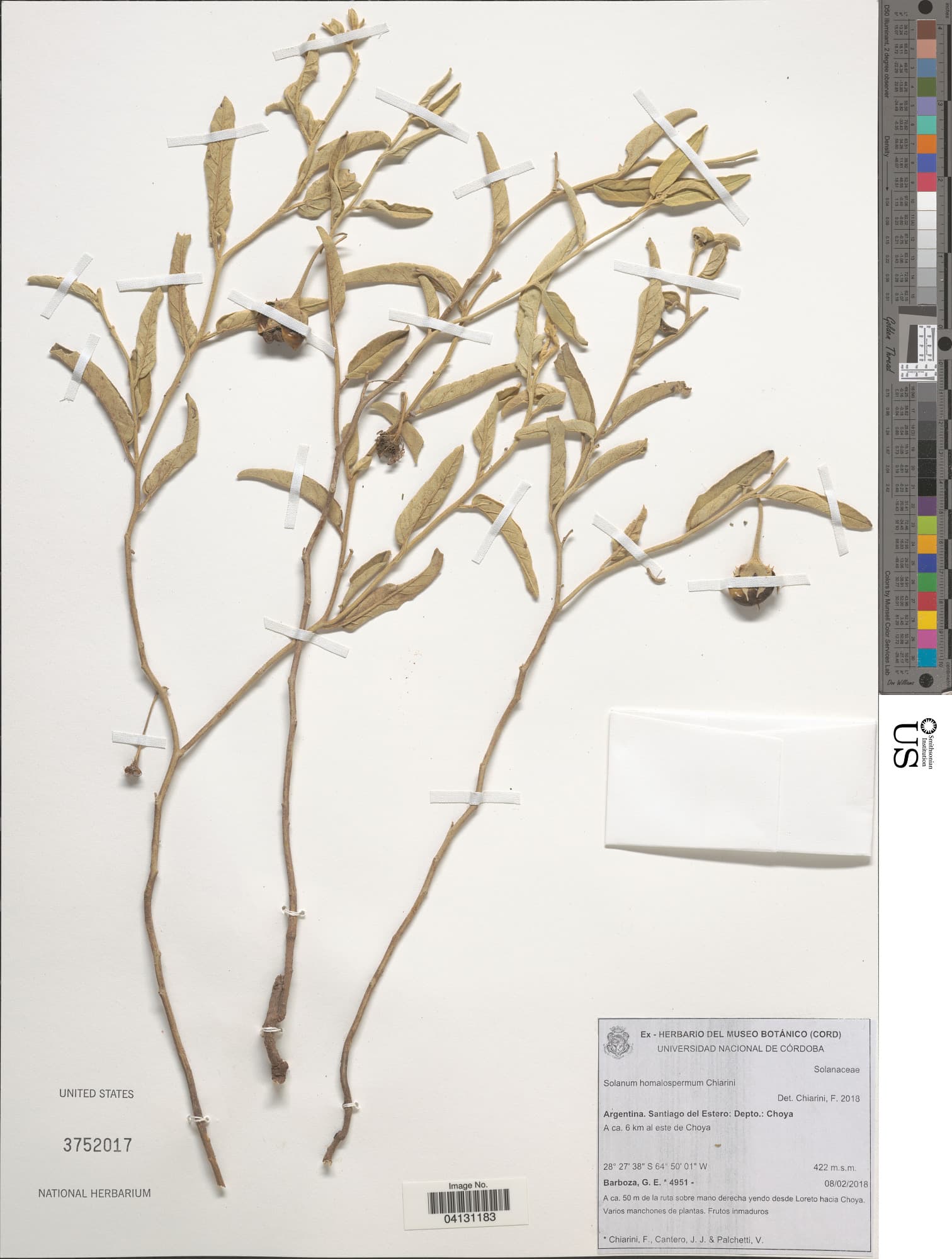
Scientific NameSolanum homalospermum Chiarini
Plant FamilySolanaceae
Natural HabitatNative to Argentina, specifically found in the Santiago del Estero province, Depto. Choya. It grows in patches, suggesting a preference for specific local conditions, likely in semi-arid or arid environments typical of the region.
Parts Usedleaf,fruit
Medicinal Actionsanalgesic, anti-inflammatory
Traditional UsesSpecific traditional medicinal uses for *Solanum homalospermum* are not well-documented, given its relatively recent botanical description. However, other species within the diverse *Solanum* genus have been traditionally used for various purposes, including pain relief, reducing inflammation, and treating skin conditions, often with careful preparation due to the presence of potentially toxic compounds.
Active Constituentssteroidal glycoalkaloids, flavonoids, saponins
Preparation Methodsinfusion, decoction, powder, poultice
Contraindications & WarningsAs with many species in the *Solanum* genus, *Solanum homalospermum* is presumed to contain steroidal glycoalkaloids which can be toxic. Ingestion of raw or improperly prepared plant parts, especially fruits, may cause gastrointestinal upset, neurological symptoms, or more severe poisoning. It should be avoided by pregnant or nursing women, children, and individuals with liver or kidney conditions. Consultation with a qualified healthcare professional is essential before any use.
Cultivation NotesLikely prefers full sun to partial shade and well-drained soil, typical of its native semi-arid habitat in Argentina. Propagation would likely be from seed or cuttings. Requires warm temperatures and may be drought-tolerant once established.
Rarityuncommon
Description
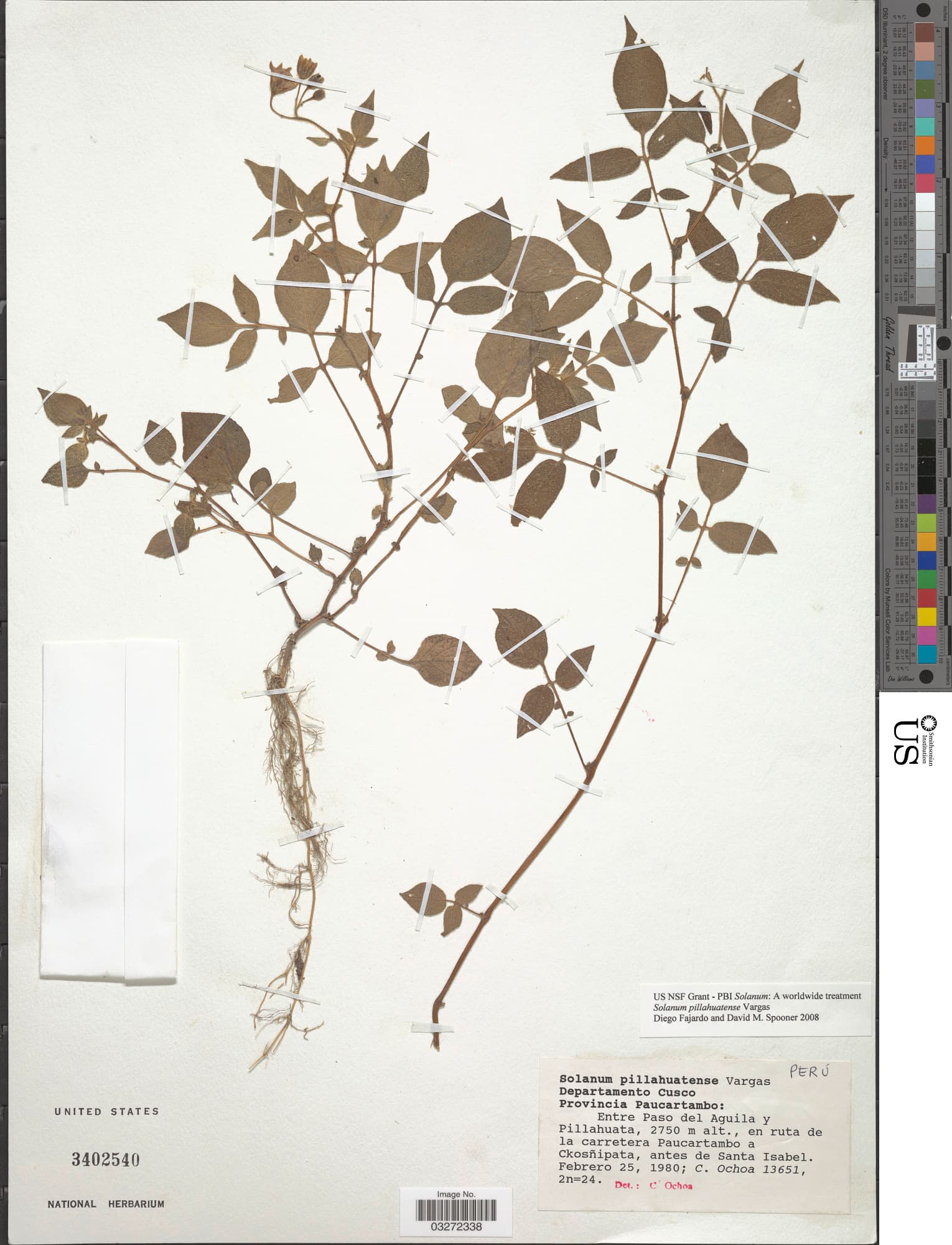
A herbaceous or subshrubby plant characterized by simple, alternate leaves and globose, immature fruits enclosed by a persistent, often spiny or textured calyx. The stems appear somewhat woody at the base, and the leaves may have a pubescent texture.