Solanum pygmaeum
NameSolanum pygmaeum
Scientific NameSolanum pygmaeum
Plant FamilySolanaceae
Natural HabitatNative to parts of South America, including Argentina, Uruguay, Brazil, and Paraguay. It commonly grows in disturbed areas, grasslands, and open fields, often considered a weed.
Parts Usedleaf
Medicinal Actionsanti-inflammatory
Traditional UsesThere are no widely recognized traditional medicinal uses specifically documented for Solanum pygmaeum in readily available ethnobotanical literature. The genus Solanum is known for containing toxic steroidal glycoalkaloids, and many species are considered poisonous. Any potential use would likely be external for localized inflammation, similar to some other Solanum species, but this is not specifically documented for S. pygmaeum.
Active ConstituentsSteroidal glycoalkaloids
Preparation Methodspoultice
Contraindications & WarningsAll parts of Solanum pygmaeum are presumed toxic due to the presence of steroidal glycoalkaloids, common in the Solanum genus. Internal use is strongly contraindicated and can be dangerous. External use should be approached with extreme caution due to potential skin irritation and absorption of toxic compounds.
Cultivation NotesThis plant prefers full sun to partial shade and well-drained soil. It is generally hardy and tolerant of various soil conditions, often growing as a weed in its native range.
Raritycommon
Description
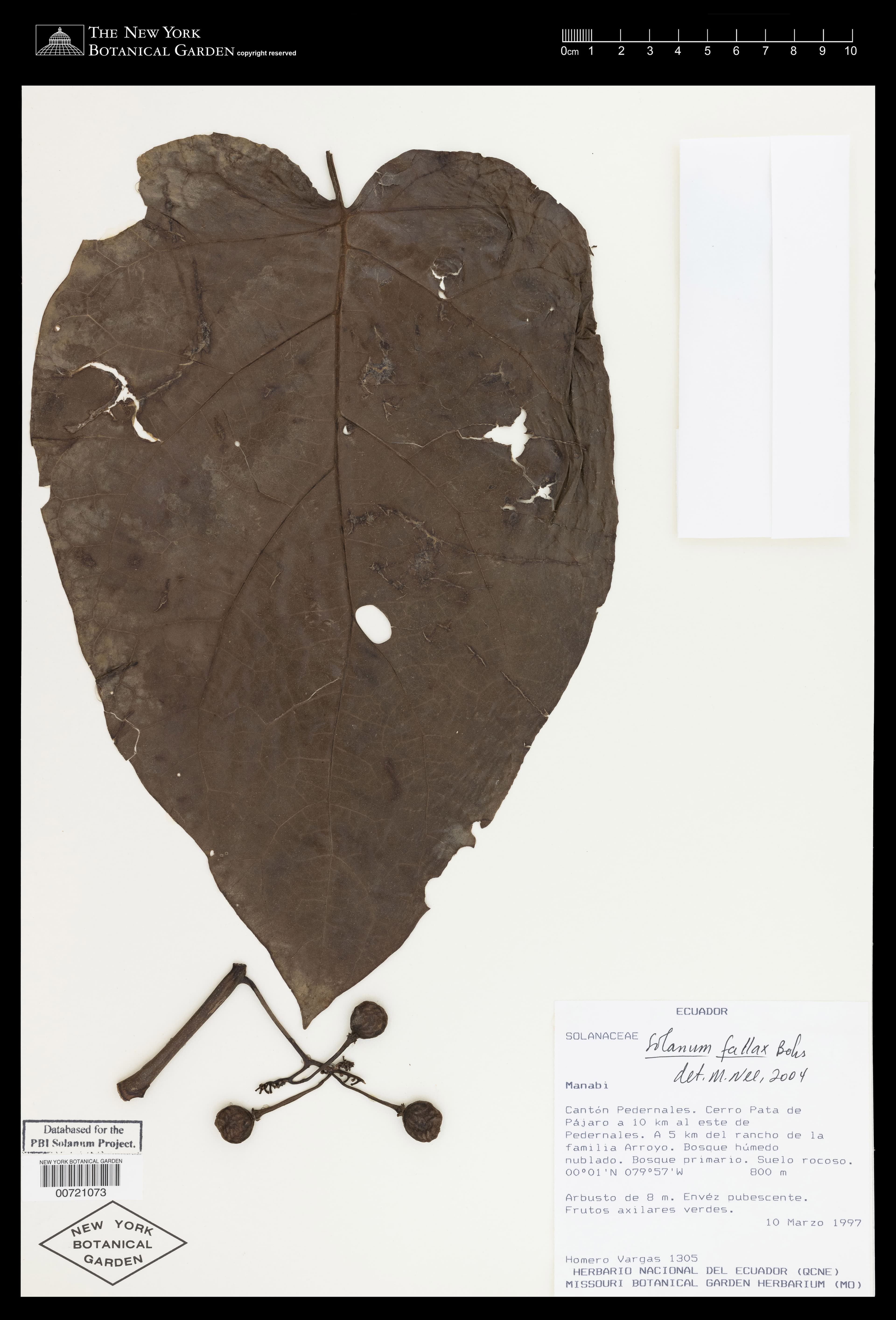
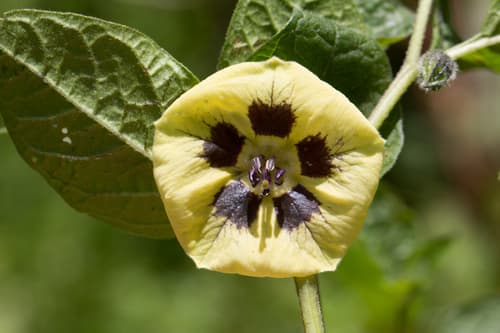
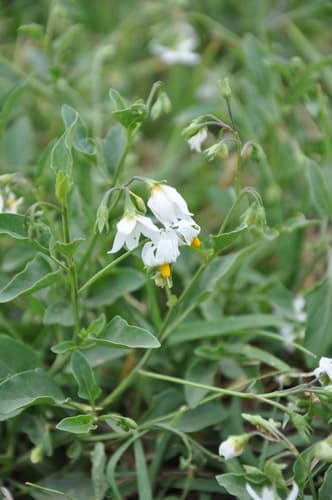
Solanum pygmaeum is a low-growing herbaceous perennial or annual plant, characterized by its small, often lobed or sinuate leaves. It produces small white flowers with prominent yellow anthers, typical of the Solanum genus, followed by small berries.