Solanum pusillum
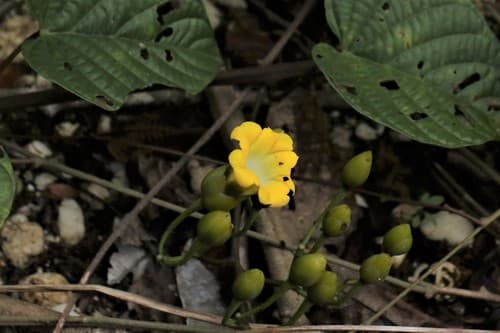
Image: Herbrecs (cc-by)
NameSolanum pusillum
Scientific NameSolanum pusillum A.R.Bean
Common NamesDwarf Nightshade
Plant FamilySolanaceae
Natural HabitatEndemic to Queensland, Australia, typically found in open woodlands, grasslands, and disturbed areas, often in sandy or loamy soils, as indicated by herbarium records from Acacia and Eucalyptus woodlands.
Parts Usedleaf,fruit,root
Medicinal Actionsanti-inflammatory, antimicrobial
Traditional UsesWhile specific traditional uses for Solanum pusillum are not widely documented, other species within the Solanum genus have been traditionally used for their anti-inflammatory and analgesic properties, often applied topically for skin conditions, wounds, or internally with extreme caution for pain and fever.
Active ConstituentsSteroidal glycoalkaloids, Solasodine, Solanine
Preparation Methodspoultice, decoction, infusion
Contraindications & WarningsAll parts of Solanum pusillum, like many Solanum species, are likely toxic due to the presence of steroidal glycoalkaloids. Ingestion can cause gastrointestinal upset, neurological symptoms, and potentially be fatal. Use should be avoided or approached with extreme caution and expert guidance.
Cultivation NotesPrefers full sun to partial shade and well-drained soils. It is likely drought-tolerant once established, typical of many native Australian Solanum species.
Rarityuncommon
Description
A herbaceous plant characterized by deeply lobed, often hairy or prickly leaves, typical of many species within the Solanum genus. It produces small, spherical fruits and has a fibrous root system.