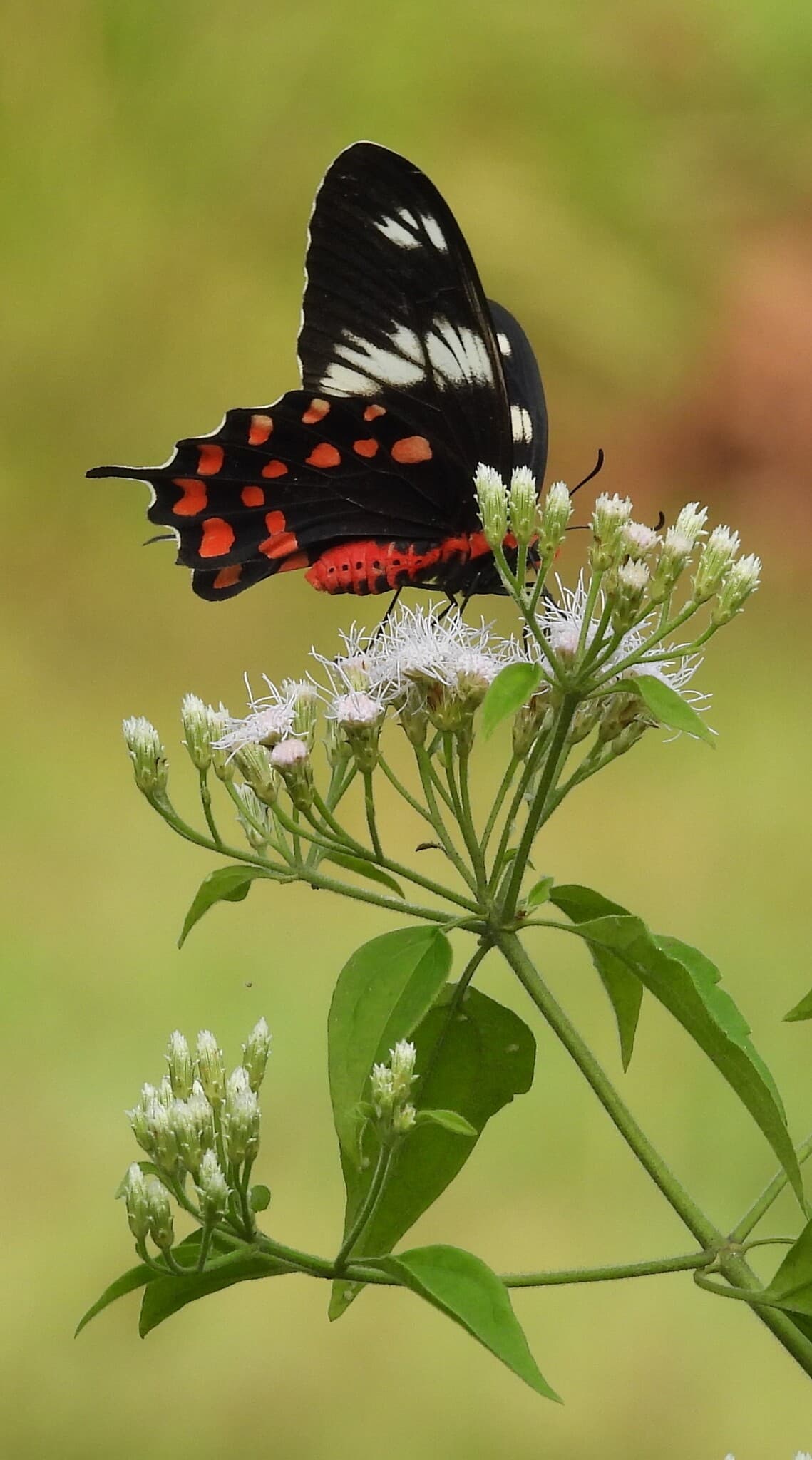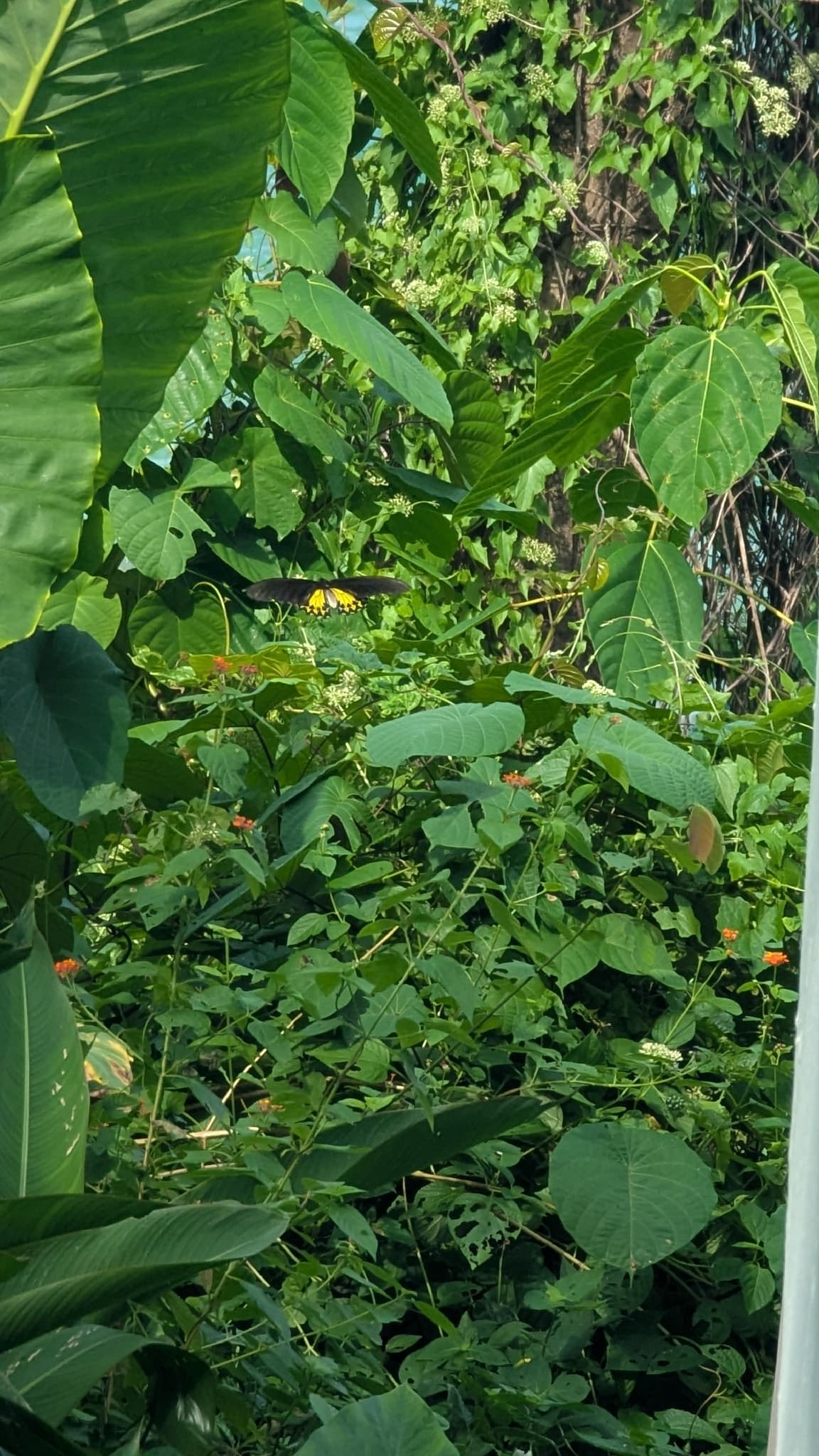
Lantana
Image: Francesco Martoni (cc-by-nc)
NameLantana
Scientific NameLantana camara
Common NamesLantana, Wild Sage, Shrub Verbena, Spanish Flag, West Indian Lantana
Plant FamilyVerbenaceae
Natural HabitatNative to the American tropics, this plant is now widely naturalized and invasive in many tropical and subtropical regions worldwide. It thrives in disturbed areas, forest edges, pastures, and open woodlands.
Parts Usedleaf,flower,root
Medicinal Actionsanti-inflammatory, antimicrobial, antioxidant, analgesic
Traditional UsesTraditionally, the leaves are used externally as a poultice for skin infections, wounds, and rheumatic pains. Infusions of leaves have been employed in some traditional systems for fevers, colds, and malaria. Root decoctions are sometimes used for fevers and coughs.
Active ConstituentsLantadenes, flavonoids, iridoid glycosides, essential oils
Preparation Methodsinfusion, poultice, decoction, essential oil
Contraindications & WarningsAll parts of the plant, especially unripe berries, are toxic if ingested, causing liver damage and photosensitivity in livestock and humans. Skin contact can cause dermatitis in sensitive individuals. Internal use is not recommended without expert supervision due to its toxicity.
Cultivation NotesExtremely hardy and adaptable, Lantana camara tolerates a wide range of soil types and conditions, including drought, and prefers full sun. It can be highly invasive, so care should be taken when planting. It propagates easily from seeds or cuttings.
Raritycommon
Description
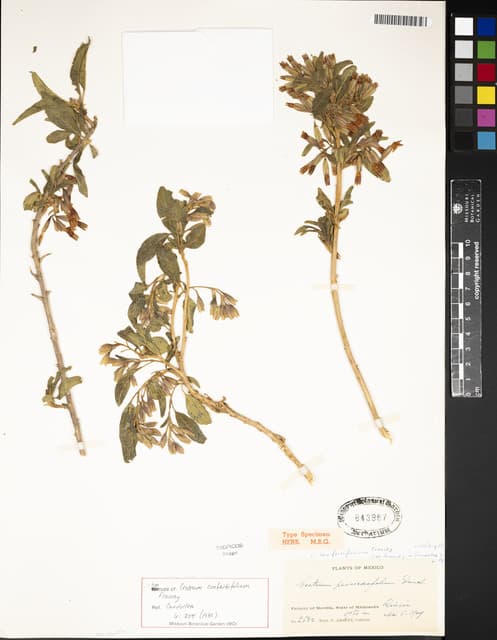
Lantana camara is a scrambling, erect or prostrate shrub, often forming dense thickets. It features square stems, rough, ovate leaves, and small, tubular flowers arranged in dense clusters that typically change color from yellow to orange, pink, or red as they mature.