Solanum polytrichum
NameSolanum polytrichum
Scientific NameSolanum polytrichum
Plant FamilySolanaceae
Natural HabitatNative to Central and South America, this species is typically found in cloud forests, montane forests, and disturbed areas at elevations ranging from 1000 to 3000 meters.
Parts Usedleaf,fruit
Medicinal Actionsanti-inflammatory, antimicrobial
Traditional UsesSpecific traditional medicinal uses for Solanum polytrichum are not widely documented in ethnobotanical literature. However, other species within the Solanum genus are traditionally used for their anti-inflammatory and antimicrobial properties, often applied topically for skin conditions or internally for various ailments, though often with caution due to potential toxicity.
Active Constituentssteroidal glycoalkaloids
Preparation Methodsinfusion, poultice
Contraindications & WarningsDue to the presence of steroidal glycoalkaloids common in the Solanum genus, Solanum polytrichum is likely toxic if ingested in significant quantities. Specific contraindications are not documented, but general caution against internal use is advised, especially for pregnant/nursing women and individuals with pre-existing conditions. May cause gastrointestinal upset or neurological symptoms.
Cultivation NotesPrefers moist, well-drained soils in tropical or subtropical montane forest environments. It thrives in partial shade to full sun. Propagation is likely by seed.
Rarityuncommon
Description
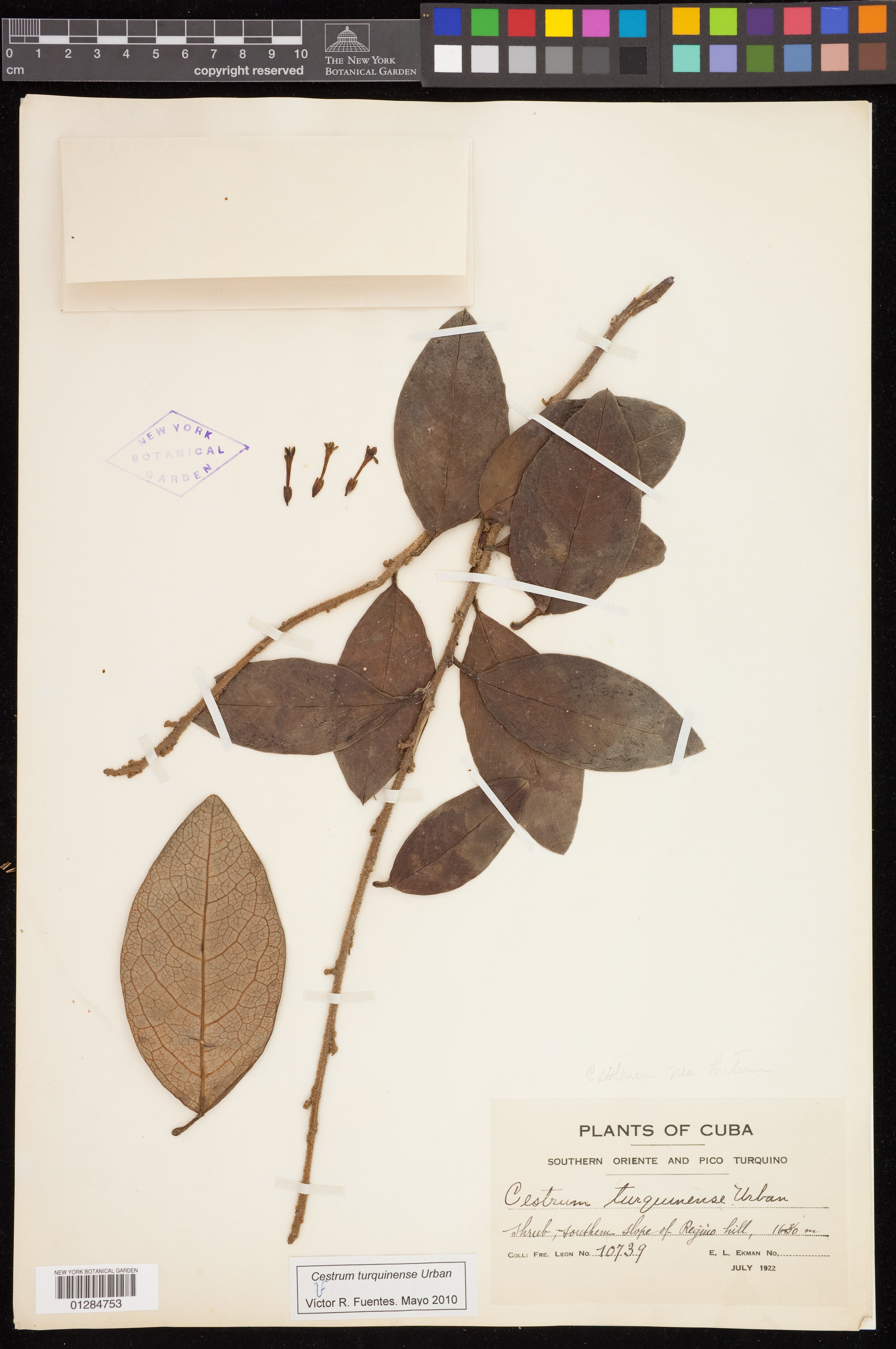
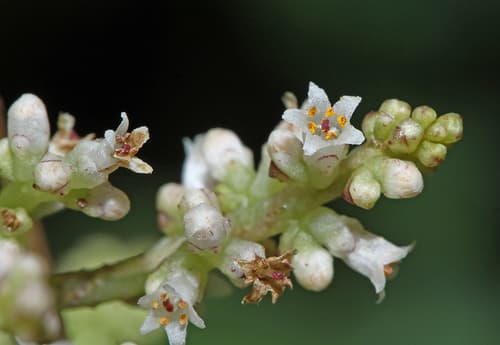
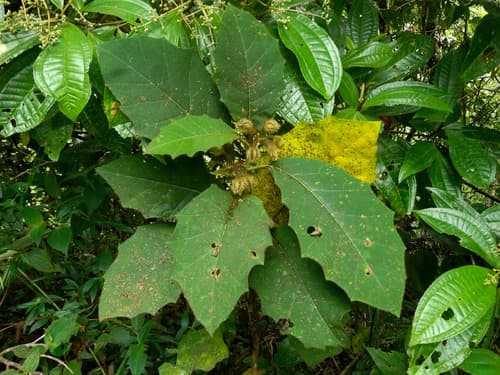
Solanum polytrichum is a shrub or small tree characterized by its densely hairy (tomentose to hirsute) stems and leaves. Its large, ovate to elliptic leaves are often shallowly lobed or sinuate-dentate and covered with stellate hairs. The plant produces small flowers followed by globose, often bristly or hairy fruits.