Cestrum turquinense
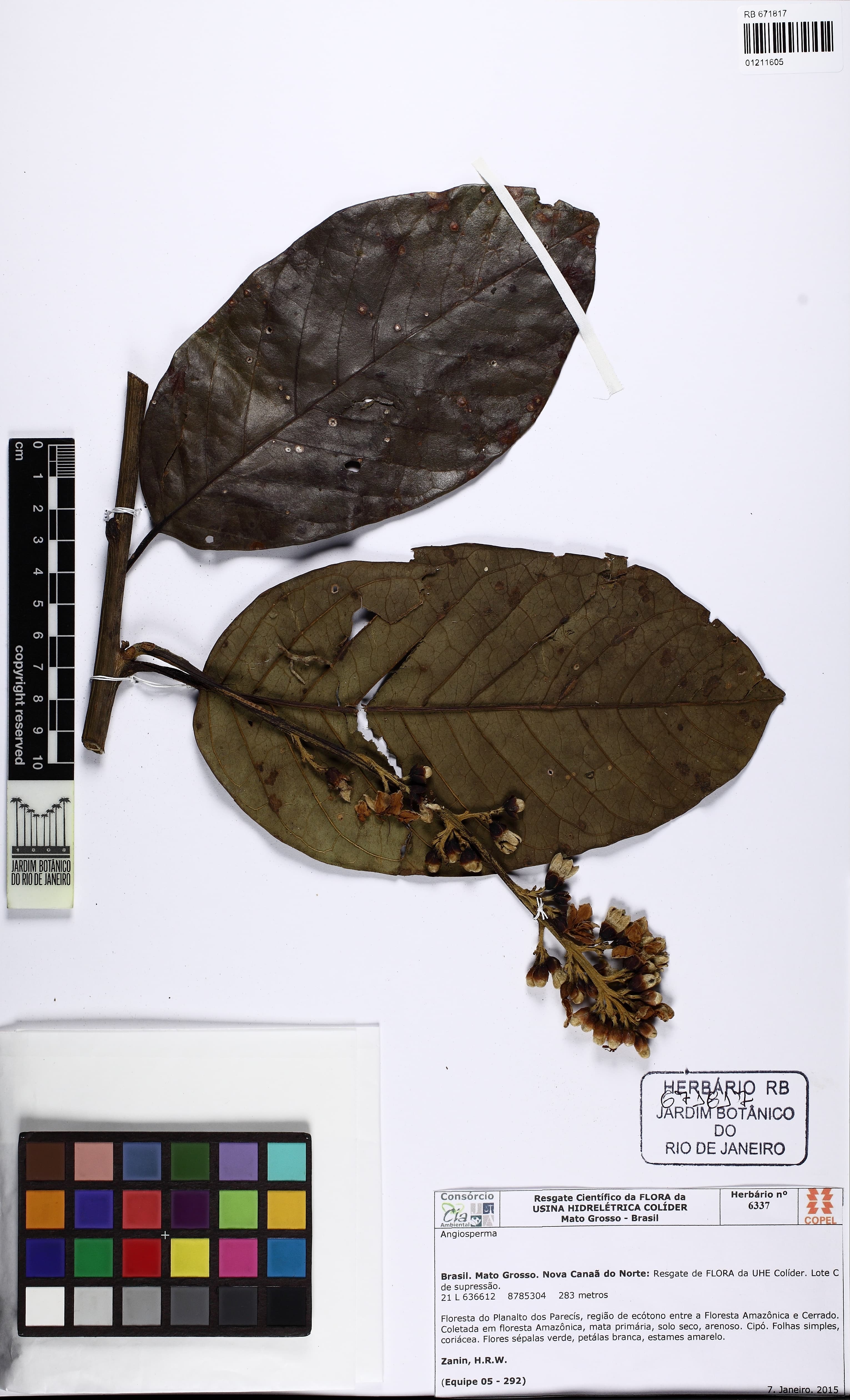
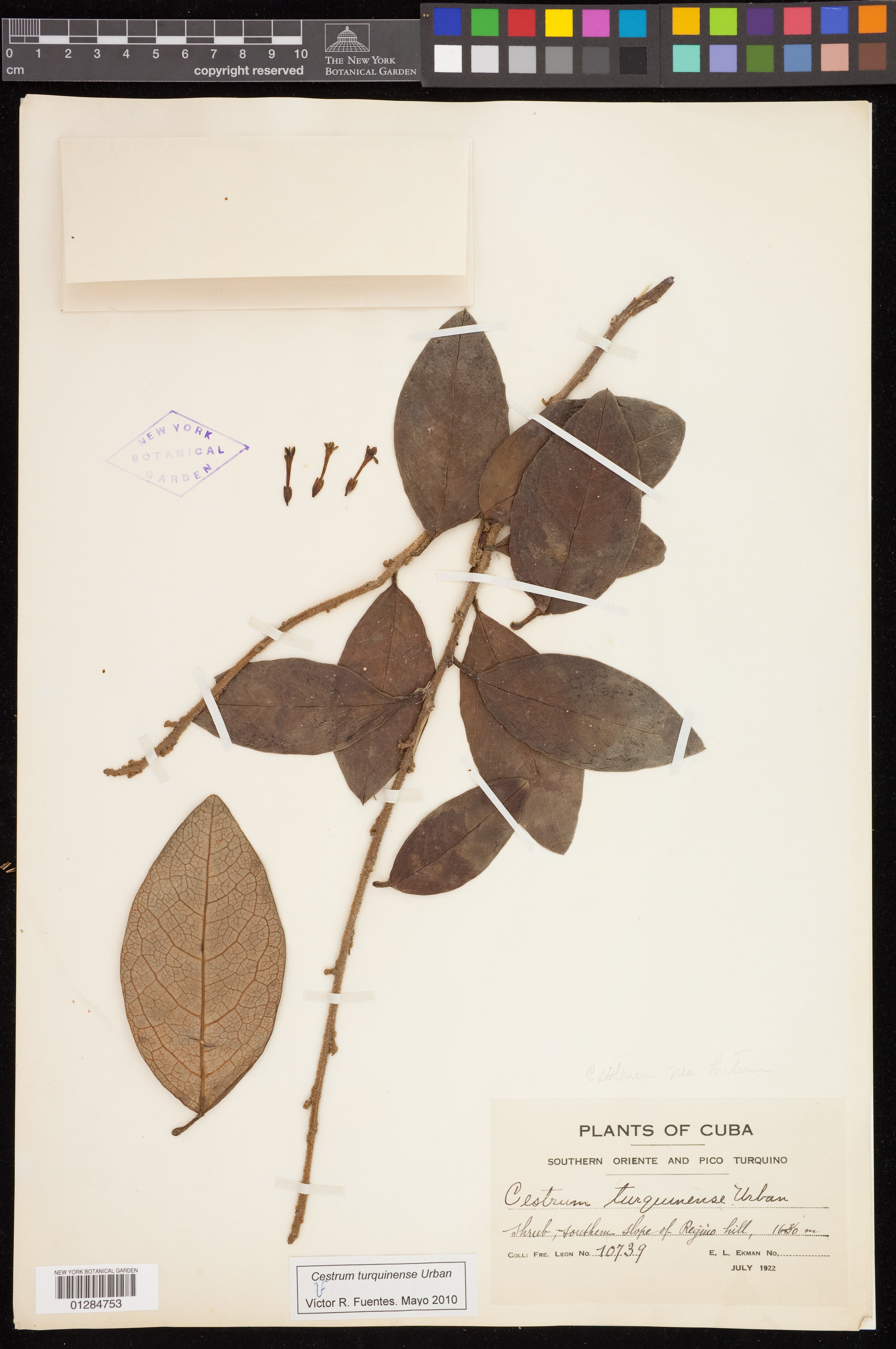
Image: The New York Botanical Garden (cc-by)
NameCestrum turquinense
Scientific NameCestrum turquinense
Plant FamilySolanaceae
Natural HabitatThis species is endemic to mountainous regions of Cuba, specifically found on the southern slopes of Rejina Hill in Southern Oriente and Pico Turquino, at an elevation of approximately 1680 meters.
Parts Used
Traditional UsesThere are no well-documented traditional medicinal uses specifically for Cestrum turquinense. The genus Cestrum is generally known for containing toxic compounds, and many species are considered poisonous.
Active Constituentssteroidal glycoalkaloids
Contraindications & WarningsDue to the presence of steroidal glycoalkaloids, Cestrum species are generally considered toxic. Ingestion of any part of the plant can be harmful and is strongly contraindicated. Specific contraindications for Cestrum turquinense are not documented, but extreme caution is advised due to potential toxicity.
Cultivation NotesNative to high-altitude, mountainous environments in Cuba, Cestrum turquinense likely thrives in subtropical to tropical conditions with well-drained soil. Its natural habitat at 1680 meters suggests it can tolerate cooler temperatures than lowland tropical species.
Rarityuncommon
Description
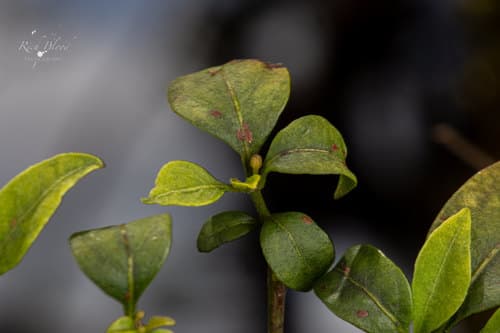
Cestrum turquinense is a shrub, as evidenced by the woody stem and branching pattern in the herbarium specimen. It features simple, alternate, ovate leaves and small, tubular flowers, typical of the Cestrum genus.