Japanese Dodder
NameJapanese Dodder
Scientific NameCuscuta japonica
Common NamesJapanese Dodder, Japanese Love Vine, Tu Si Zi
Plant FamilyConvolvulaceae
Natural HabitatNative to East Asia, this parasitic plant thrives in warm, temperate to subtropical climates. It is commonly found on a wide variety of herbaceous and woody hosts in disturbed areas, fields, roadsides, and gardens.
Parts Usedseed,whole_plant
Medicinal Actionsadaptogen, antioxidant, anti-inflammatory
Traditional UsesIn Traditional Chinese Medicine (TCM), the seeds (Tu Si Zi) are highly valued for tonifying kidney yang and yin, benefiting the liver, and strengthening the spleen. It is traditionally used to address conditions such as impotence, premature ejaculation, frequent urination, lower back pain, tinnitus, blurred vision, and chronic diarrhea.
Active ConstituentsFlavonoids, Lignans, Polysaccharides, Saponins
Preparation Methodsdecoction, powder
Contraindications & WarningsContraindicated in cases of excess heat or damp-heat. Use with caution during pregnancy. May interact with certain medications, especially those affecting hormones or blood sugar, due to its potential pharmacological effects.
Cultivation NotesAs a parasitic plant, Japanese dodder cannot be cultivated independently; it requires a suitable host plant to grow and absorb nutrients. It is often considered a noxious weed in agricultural and natural areas due to its invasive nature.
Raritycommon
Description
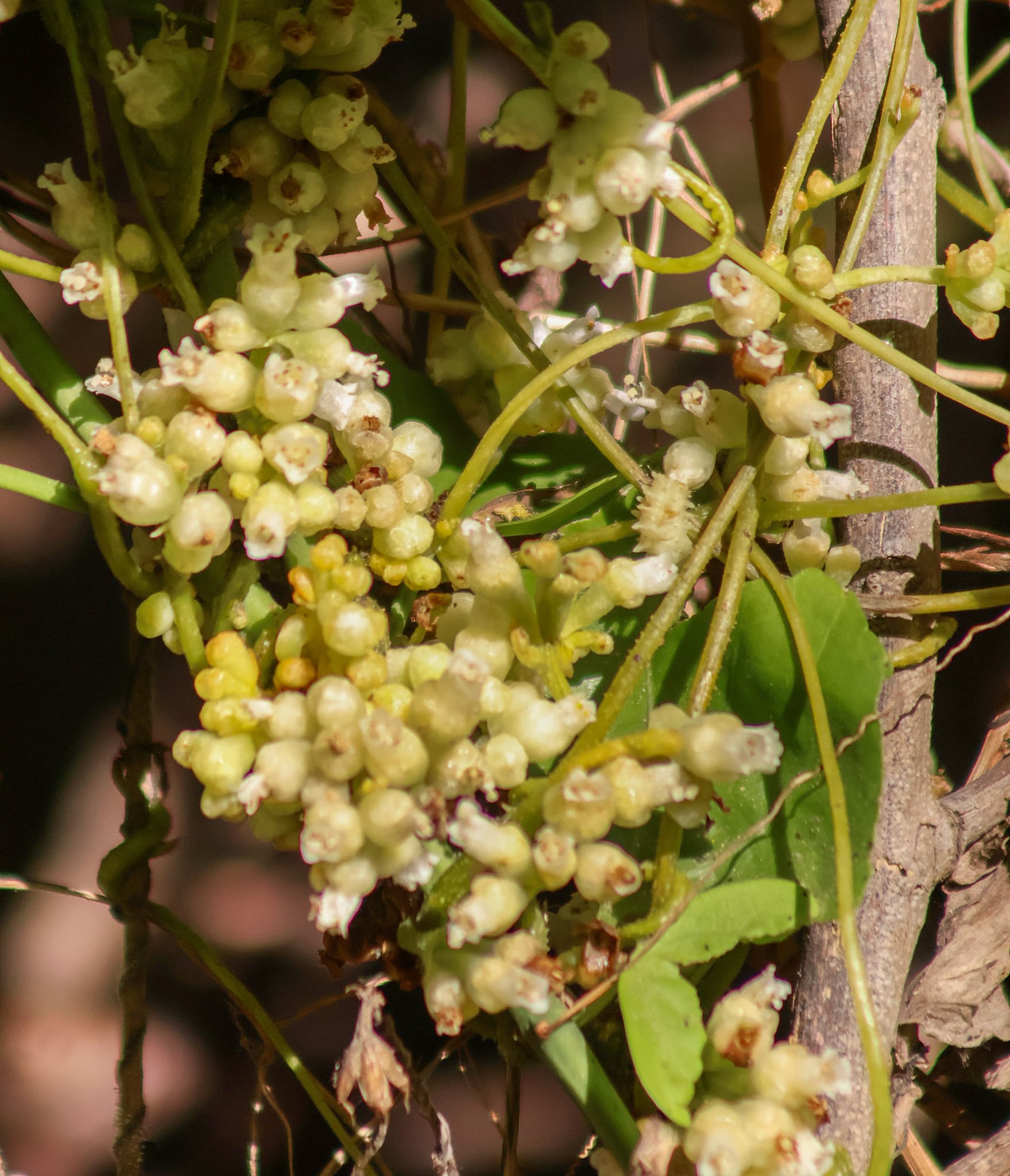
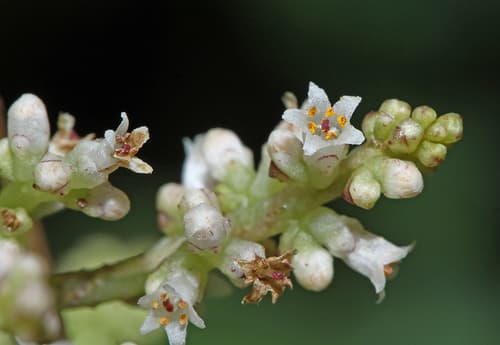
Japanese dodder is a parasitic annual vine characterized by its slender, yellowish-orange to reddish, leafless stems. It produces small, star-shaped, white to cream-colored flowers in dense clusters, which are visible in the image. The plant attaches to host vegetation to absorb nutrients.