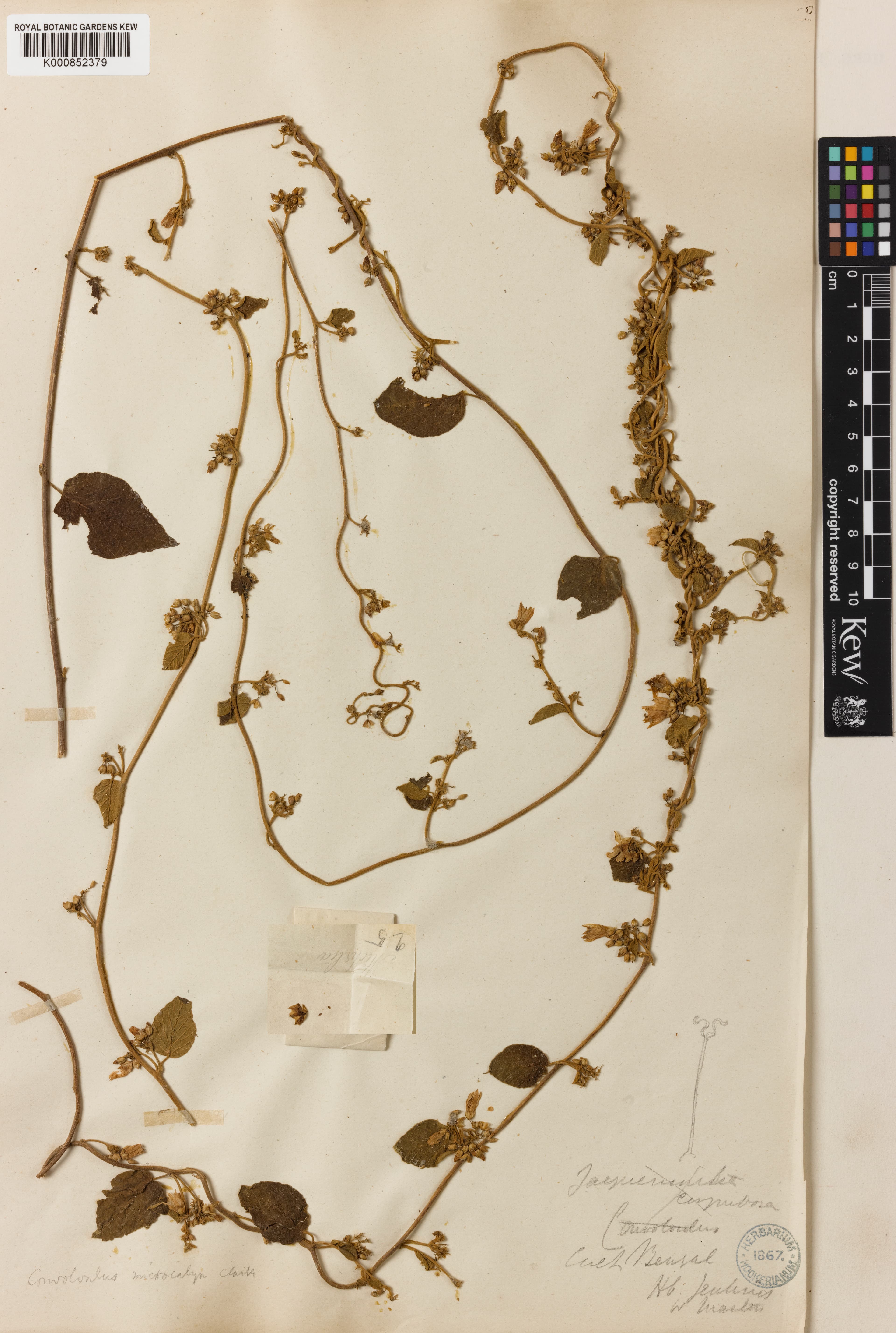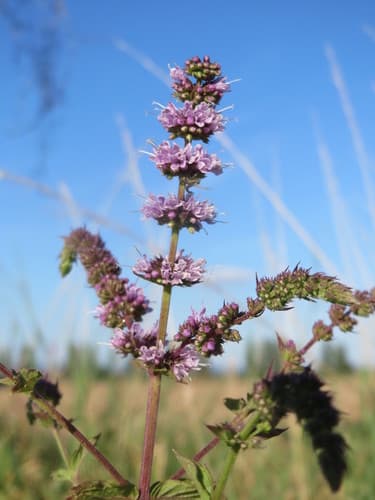
Mint
NameMint
Scientific NameMentha spicata
Common NamesSpearmint, Garden Mint, Common Mint, Lamb Mint
Plant FamilyLamiaceae
Natural HabitatNative to Europe and Asia, Spearmint thrives in moist, well-drained soils, often found in meadows, stream banks, and disturbed areas. It is widely cultivated in gardens globally and can naturalize readily.
Parts Usedleaf,flower,whole_plant
Medicinal Actionscarminative, anti-inflammatory, antimicrobial, antioxidant, analgesic
Traditional UsesTraditionally, Spearmint has been used to relieve digestive issues such as indigestion, nausea, gas, bloating, and colic. It is also employed for its mild analgesic properties to soothe headaches and muscle aches, and as a refreshing tea for colds, sore throats, and general relaxation.
Active ConstituentsCarvone, Limonene, Menthone, Cineole, Rosmarinic acid, Flavonoids
Preparation Methodsinfusion, essential oil, tincture, powder
Contraindications & WarningsGenerally considered safe for most people when consumed in food or as tea. Large doses of spearmint essential oil can be toxic and should be avoided internally. May exacerbate symptoms of gastroesophageal reflux disease (GERD) in some sensitive individuals.
Cultivation NotesSpearmint is easy to grow, preferring full sun to partial shade and consistently moist soil. It spreads aggressively via underground rhizomes, so container planting or root barriers are recommended to prevent it from taking over garden beds. Harvest leaves before flowering for best flavor.
Raritycommon
Description
Spearmint is a perennial herbaceous plant characterized by its square stems, opposite, lance-shaped, serrated leaves, and terminal spikes of small, often pale purple to pinkish flowers. It emits a distinct, sweet, and refreshing aroma when crushed, making it a popular culinary and medicinal herb.