Solanum phlomoides
NameSolanum phlomoides
Scientific NameSolanum phlomoides
Common NamesWoolly Nightshade
Plant FamilySolanaceae
Natural HabitatNative to dry, often rocky or sandy regions of South America, particularly Argentina, Bolivia, and Paraguay, growing in open woodlands, grasslands, and disturbed areas.
Parts Usedleaf,fruit
Medicinal Actionsanti-inflammatory, antimicrobial
Traditional UsesWhile specific traditional uses for Solanum phlomoides are not widely documented, other Solanum species are traditionally used in folk medicine for their anti-inflammatory and antimicrobial properties, often applied externally as poultices for skin conditions or pain. Due to potential toxicity, internal use is generally avoided or highly cautious.
Active Constituentssteroidal glycoalkaloids, solasodine
Preparation Methodspoultice, decoction
Contraindications & WarningsAll parts of Solanum phlomoides should be considered toxic due to the presence of steroidal glycoalkaloids. Ingestion can cause severe gastrointestinal upset, neurological symptoms, and is potentially fatal. Avoid use by pregnant/breastfeeding women, children, and individuals with liver or kidney issues.
Cultivation NotesThrives in full sun and well-drained, even poor, soils. It is drought-tolerant once established and can be propagated from seed.
Rarityuncommon
Description
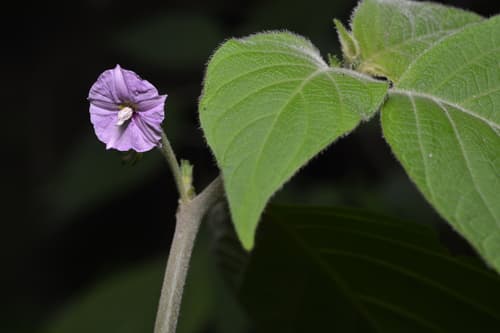
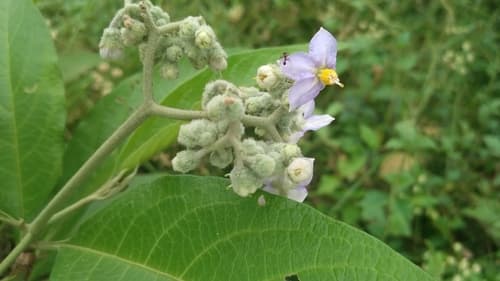
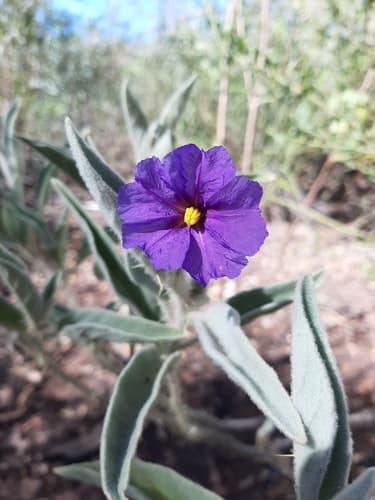
A perennial subshrub characterized by its densely woolly, silvery-grey stems and leaves, giving it a soft, fuzzy appearance. It produces striking star-shaped, vibrant purple flowers with a prominent yellow center, typically blooming in warmer months.