Solanum appressum
NameSolanum appressum
Scientific NameSolanum appressum
Plant FamilySolanaceae
Natural HabitatNative to South America, often found in disturbed areas, roadsides, and open woodlands in tropical and subtropical regions, where it can grow as a weed.
Parts Used
Traditional UsesThere is no widely documented traditional medicinal use for Solanum appressum in available ethnobotanical literature. Many species within the Solanum genus contain toxic steroidal glycoalkaloids, and this species should be considered potentially toxic.
Active ConstituentsSteroidal glycoalkaloids (e.g., solanine-like compounds, common in the Solanum genus)
Contraindications & WarningsDue to the likely presence of potentially toxic steroidal glycoalkaloids, Solanum appressum is not recommended for internal or external medicinal use. Ingestion of parts of this plant may cause gastrointestinal upset, neurological symptoms, and other adverse effects. Avoid all contact with skin and mucous membranes if sensitivity is suspected.
Cultivation NotesTypically grows as a pioneer or weed species in its native range. It prefers disturbed soils and can tolerate a range of light conditions from full sun to partial shade. Propagation is generally by seed.
Raritycommon
Description
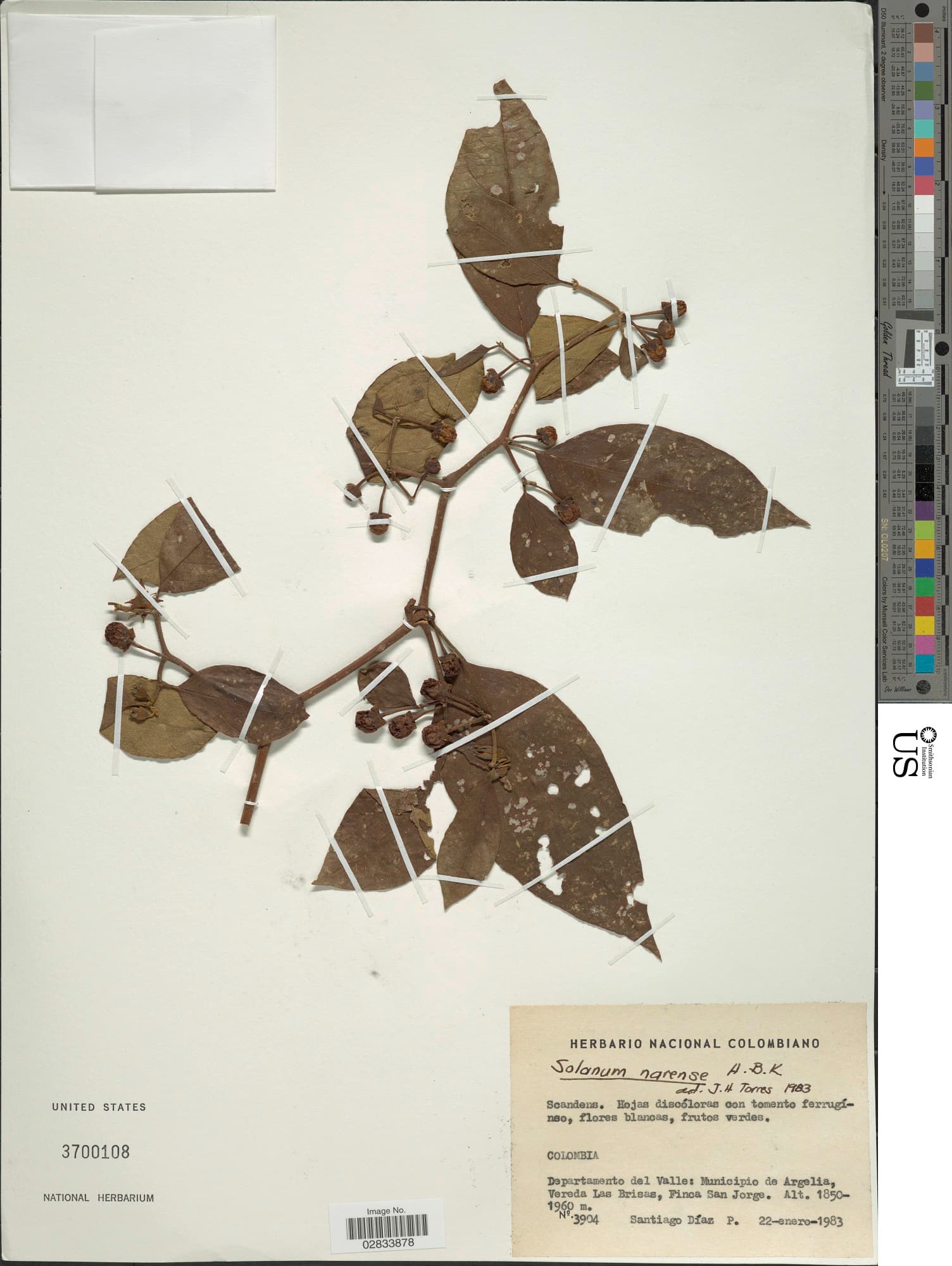
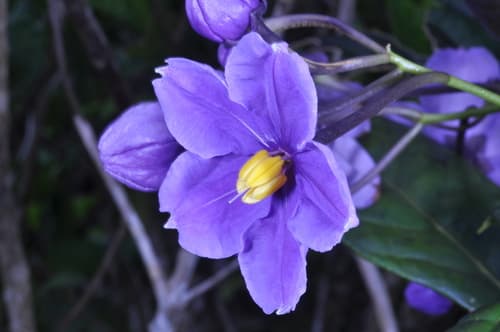
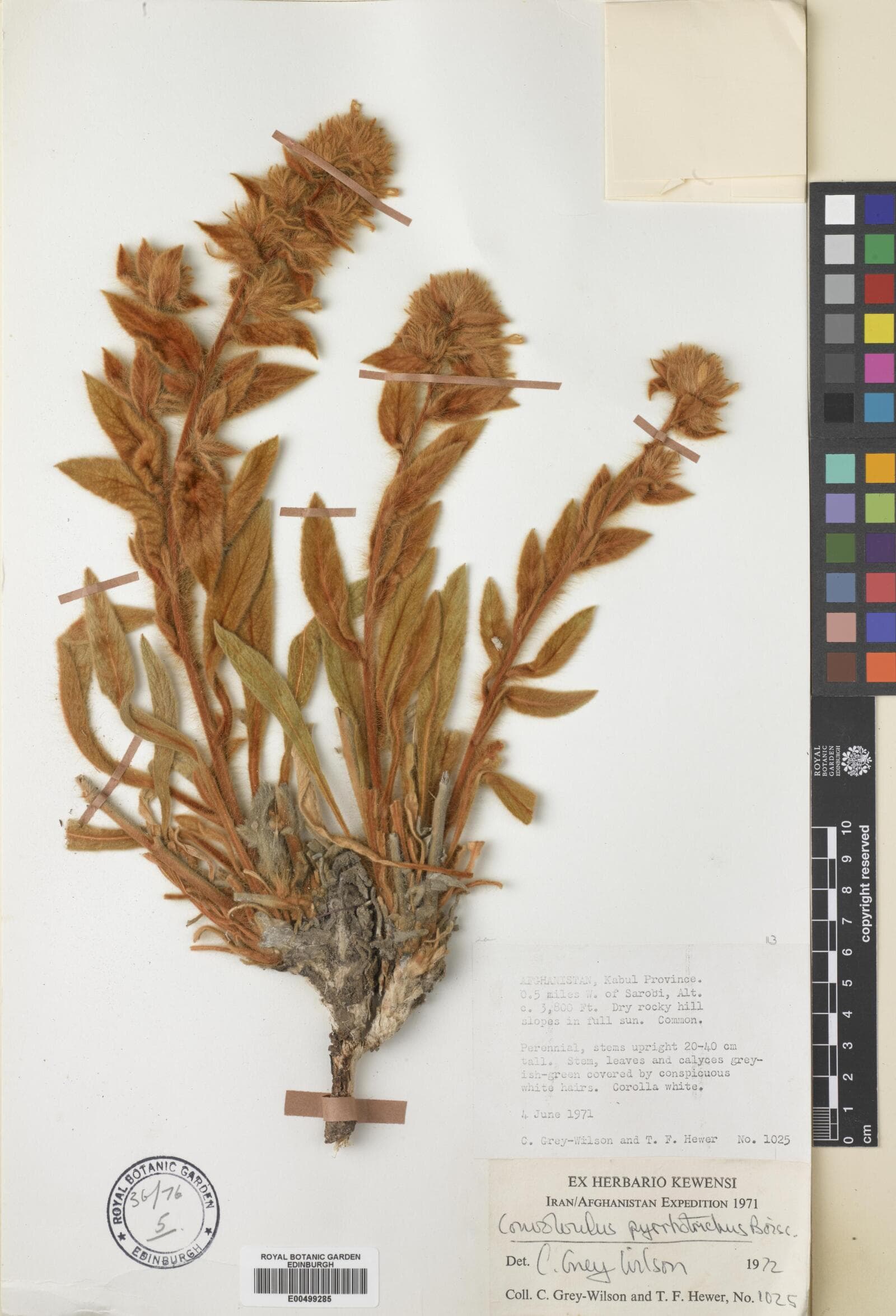
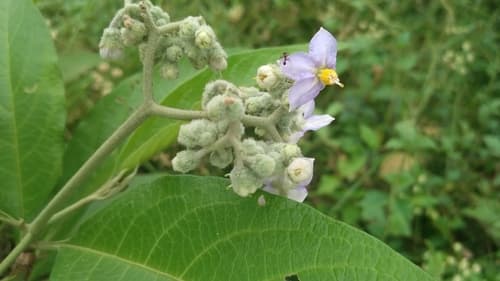
A perennial herb or subshrub characterized by stellate-hairy stems and ovate to elliptic leaves. It produces clusters of light purple flowers with prominent yellow anthers, typical of the Solanum genus. Fruits are typically berries.