Solanum pachyandrum
NameSolanum pachyandrum
Scientific NameSolanum pachyandrum
Common NamesAndean Nightshade
Plant FamilySolanaceae
Natural HabitatNative to the Andean regions of South America, typically found in montane forests, cloud forests, and disturbed areas at higher elevations.
Parts Used
Traditional UsesSpecific traditional medicinal uses for Solanum pachyandrum are not widely documented in ethnobotanical literature. Like many species in the Solanum genus, it is known to contain potentially toxic compounds, and its use should be approached with extreme caution.
Active Constituentssteroidal glycoalkaloids
Contraindications & WarningsAll parts of the plant, especially unripe fruits and leaves, are likely toxic due to the presence of steroidal glycoalkaloids. Ingestion can cause gastrointestinal upset, neurological symptoms, and other adverse effects. It should not be consumed.
Cultivation NotesThis species prefers well-drained soil and can tolerate full sun to partial shade. It is a robust plant in its native montane environment, often found in disturbed areas.
Raritycommon
Description
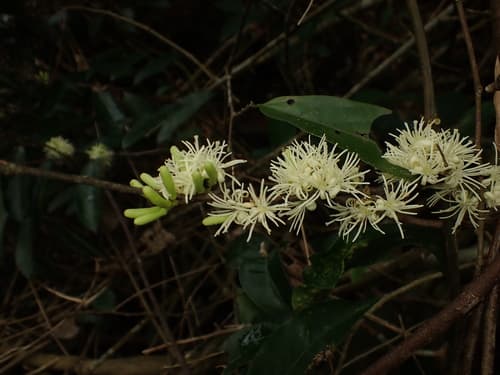
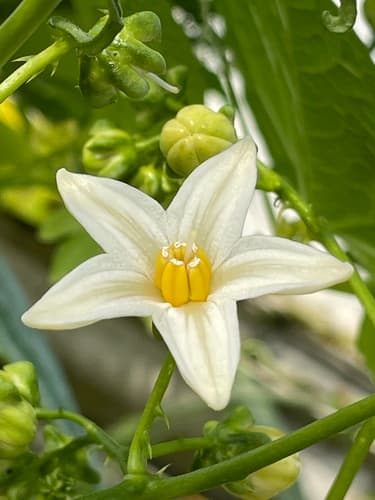
A thorny shrub or small tree, characterized by its white, star-shaped flowers with five petals and a prominent yellow cone of anthers. It produces green berries that ripen to a dark color, often found on prickly stems.