Lycium athium
NameLycium athium
Scientific NameLycium athium
Common NamesDesert Thorn, Wolfberry
Plant FamilySolanaceae
Natural HabitatSpecies within the Lycium genus are commonly found in arid and semi-arid regions, including deserts, scrublands, and coastal areas. They are often tolerant of saline soils and thrive in full sun.
Parts Usedfruit,leaf,root
Medicinal Actionsadaptogen, antioxidant, anti-inflammatory
Traditional UsesTraditionally, various Lycium species have been used as a general tonic, particularly for supporting vision, boosting the immune system, and promoting longevity. The berries are often consumed for their nutritional value and perceived adaptogenic properties, while leaves and roots have been used in some cultures for fever, inflammation, and other ailments.
Active ConstituentsLycium barbarum polysaccharides (LBPs), carotenoids (zeaxanthin, beta-carotene), flavonoids, vitamins (C, B2), amino acids
Preparation Methodsinfusion, decoction, powder
Contraindications & WarningsCaution is advised for individuals on anticoagulant medications (e.g., warfarin) due to potential interactions. May also interact with blood sugar medications. Pregnant or breastfeeding women should consult a healthcare professional before use.
Cultivation NotesThis plant prefers full sun and well-drained soil, tolerating a wide range of soil types including sandy or saline conditions. It is highly drought-tolerant once established and requires minimal watering. Propagation can be done by seed or cuttings.
Raritycommon
Description
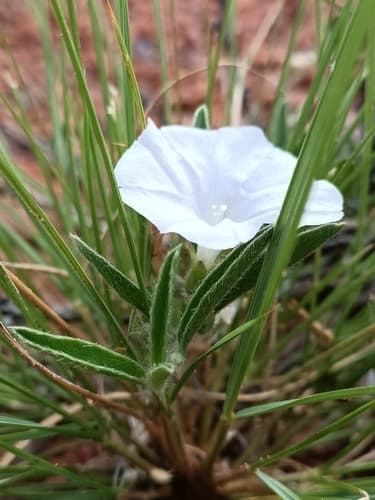
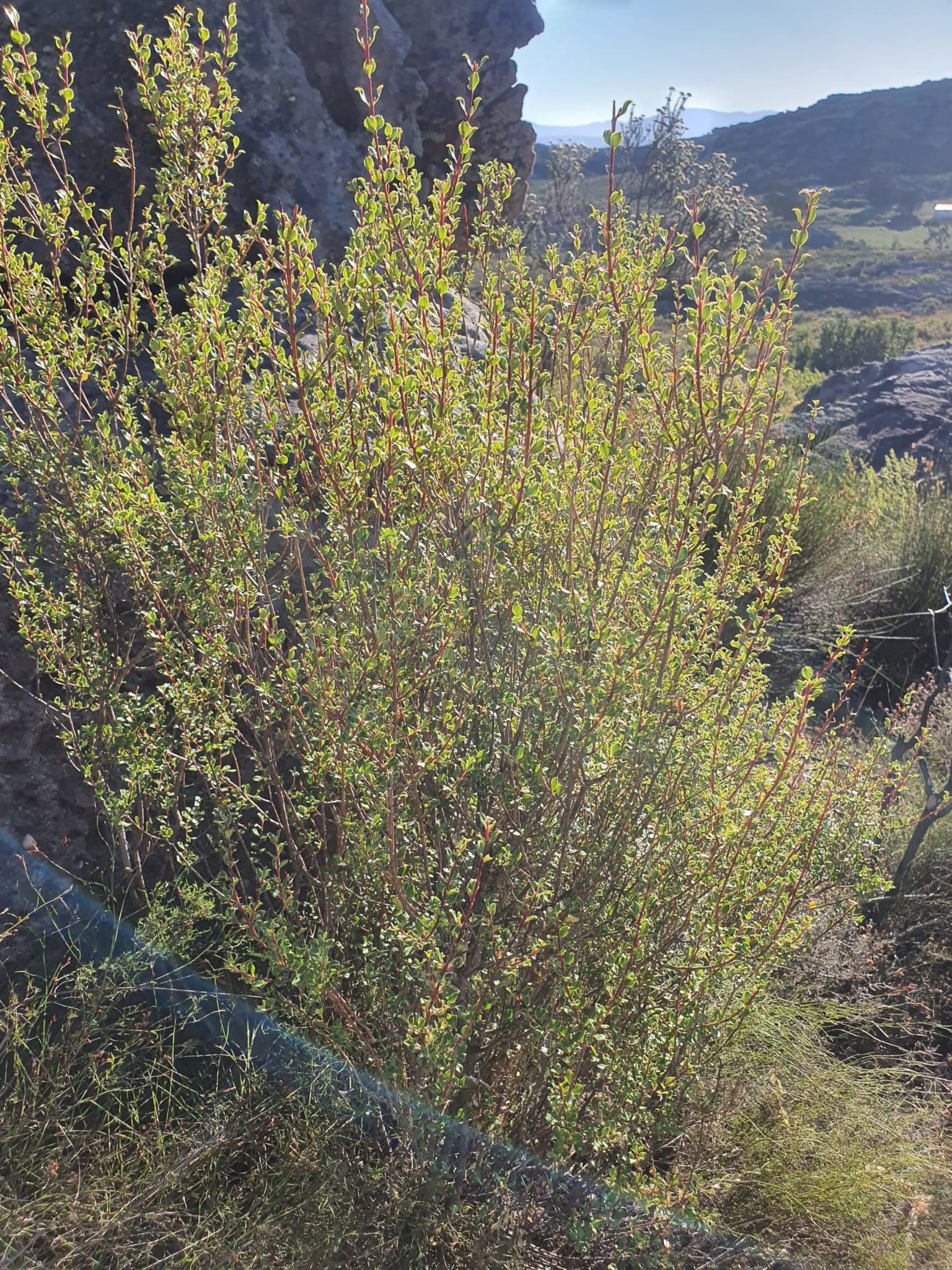
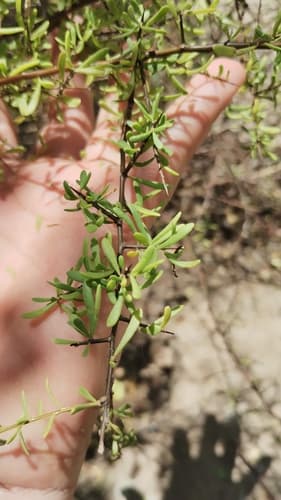
This plant is a thorny, deciduous or evergreen shrub characterized by slender, often spiny branches and small, spatulate to linear-oblanceolate leaves that are typically clustered along the stems. The leaves are light green and somewhat fleshy, adapting it to arid environments. It produces small flowers and typically red or orange berries.