Alangium amplum
NameAlangium amplum
Scientific NameAlangium amplum
Plant FamilyCornaceae
Natural HabitatNative to Southeast Asia, it thrives in tropical and subtropical rainforests and evergreen forests, often found in the understory or along forest edges.
Parts Usedbark,root,leaf,fruit
Medicinal Actionsanalgesic, anti-inflammatory, antimicrobial, nervine, sedative
Traditional UsesTraditionally, the bark and roots of Alangium amplum have been used in folk medicine as an emetic and purgative. It is also employed for treating fever, various skin diseases, and as an antidote for snake bites. Furthermore, it is valued for its anti-inflammatory, pain-relieving, and mild sedative properties.
Active Constituentsalkaloids, isoquinoline alkaloids, alangine, marckine
Preparation Methodsdecoction, infusion, powder, poultice
Contraindications & WarningsDue to its potent alkaloid content, Alangium amplum can be toxic in high doses and should be used with caution. It is contraindicated in pregnancy, lactation, young children, and individuals with severe gastrointestinal or cardiac conditions. Potential interactions with sedatives and gastrointestinal medications should be considered.
Cultivation NotesThis species requires warm, humid tropical or subtropical climates. It prefers well-drained, fertile soil and can tolerate some shade, typically growing in forest environments. Propagation is usually by seed or cuttings.
Rarityuncommon
Description
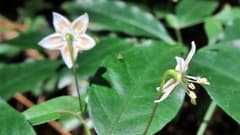
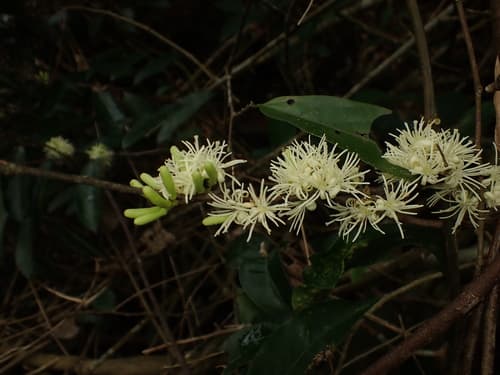
Alangium amplum is a tropical tree or shrub characterized by its dark green, simple, alternate leaves. It produces clusters of creamy-white, star-shaped flowers with numerous slender petals and prominent stamens, often appearing feathery. Elongated green buds precede the blooming flowers.