Solanum odoriferum
NameSolanum odoriferum
Scientific NameSolanum odoriferum
Common NamesJurubeba-cheirosa, Fragrant Jurubeba
Plant FamilySolanaceae
Natural HabitatNative to South America, particularly Brazil, where it grows in various biomes including Atlantic Forest, Cerrado, and Caatinga. It is often found in disturbed areas, forest edges, and open fields.
Parts Usedleaf,root,fruit
Medicinal Actionsanti-inflammatory, antioxidant, diuretic
Traditional UsesTraditionally used in Brazilian folk medicine, particularly for liver and digestive disorders such as dyspepsia and hepatitis. It is also employed as a bitter tonic and for its anti-inflammatory properties.
Active Constituentssteroidal glycoalkaloids, flavonoids, saponins
Preparation Methodsinfusion, decoction, tincture
Contraindications & WarningsDue to the presence of steroidal glycoalkaloids, high doses can be toxic. Avoid use during pregnancy and lactation, in young children, and by individuals with pre-existing liver conditions without professional guidance. May cause gastrointestinal upset.
Cultivation NotesThrives in warm climates with well-drained soil and prefers full sun to partial shade. It can be propagated from seeds or stem cuttings.
Raritycommon
Description
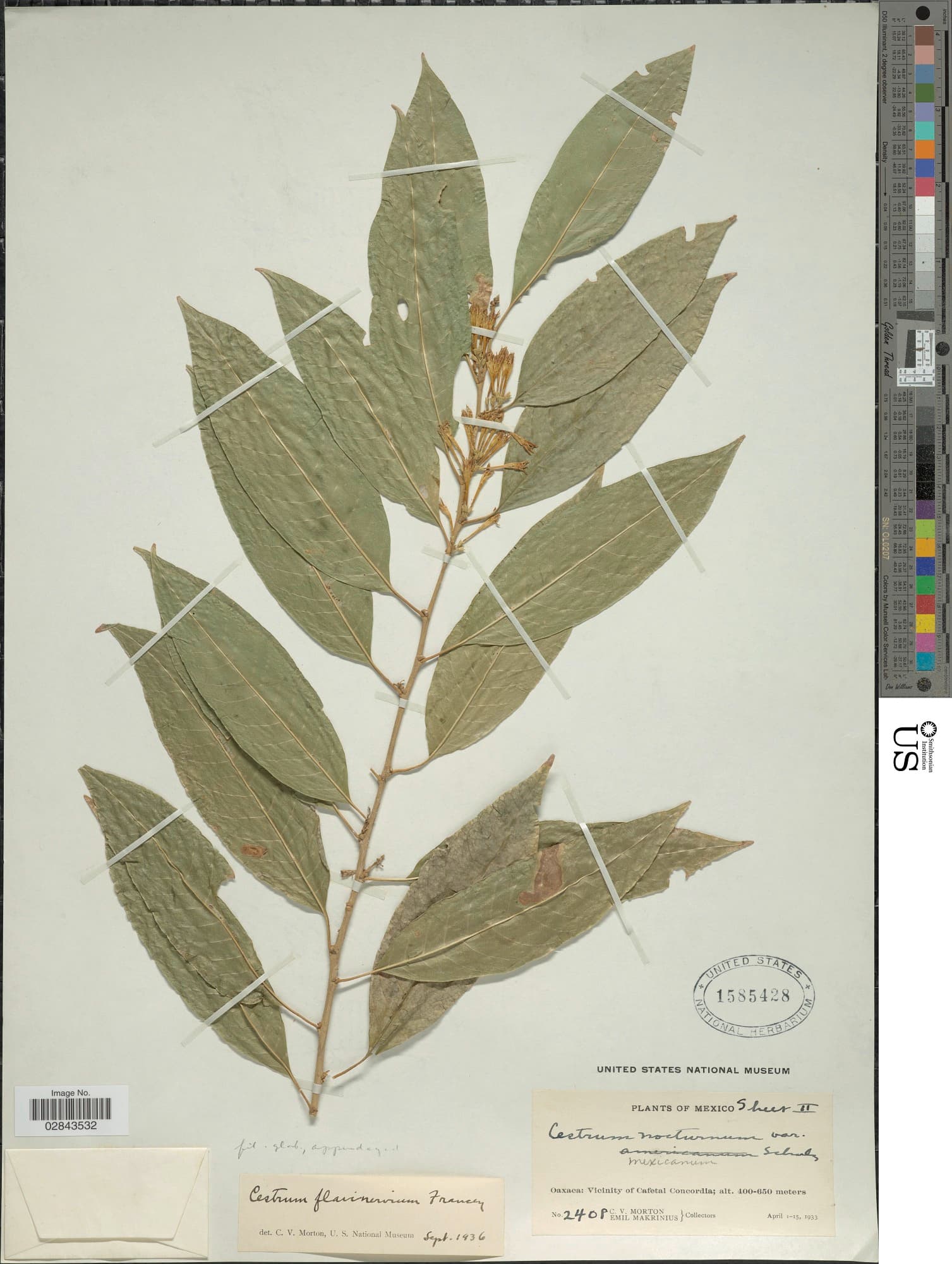
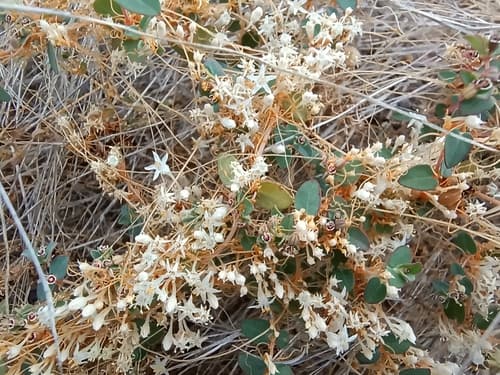
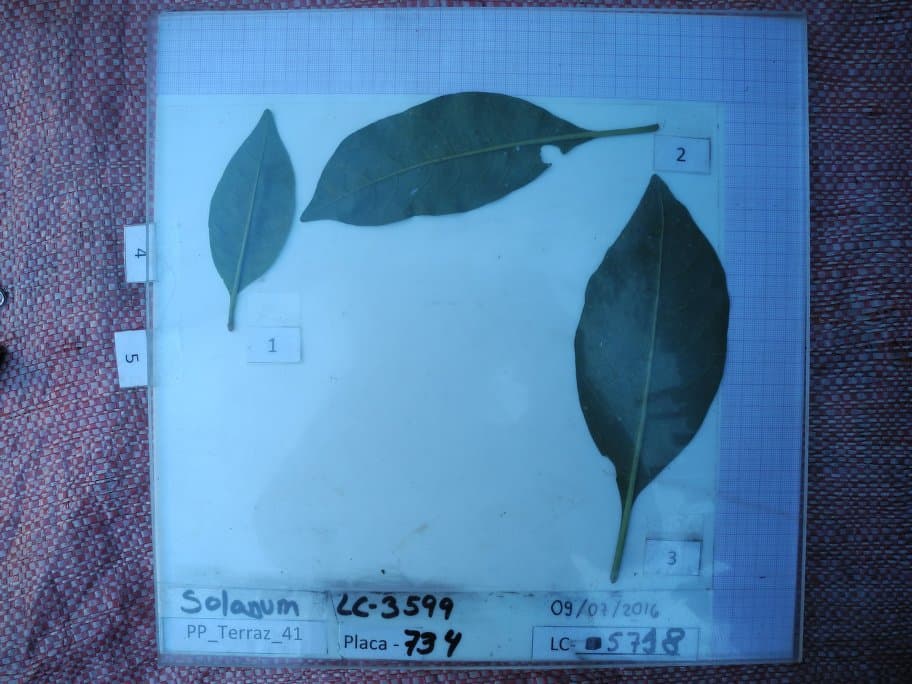
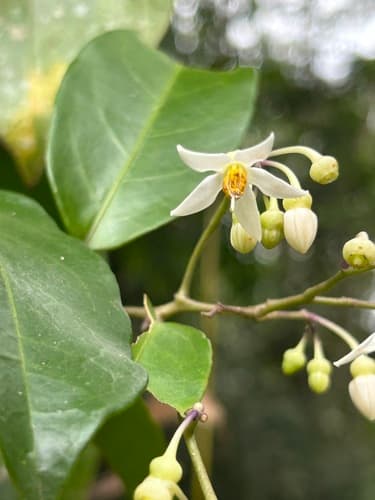
Solanum odoriferum is a shrub or small tree characterized by its simple, ovate to elliptic leaves and clusters of fragrant, star-shaped white flowers with prominent yellow anthers. It produces small, spherical berries that ripen from green to yellow or orange.