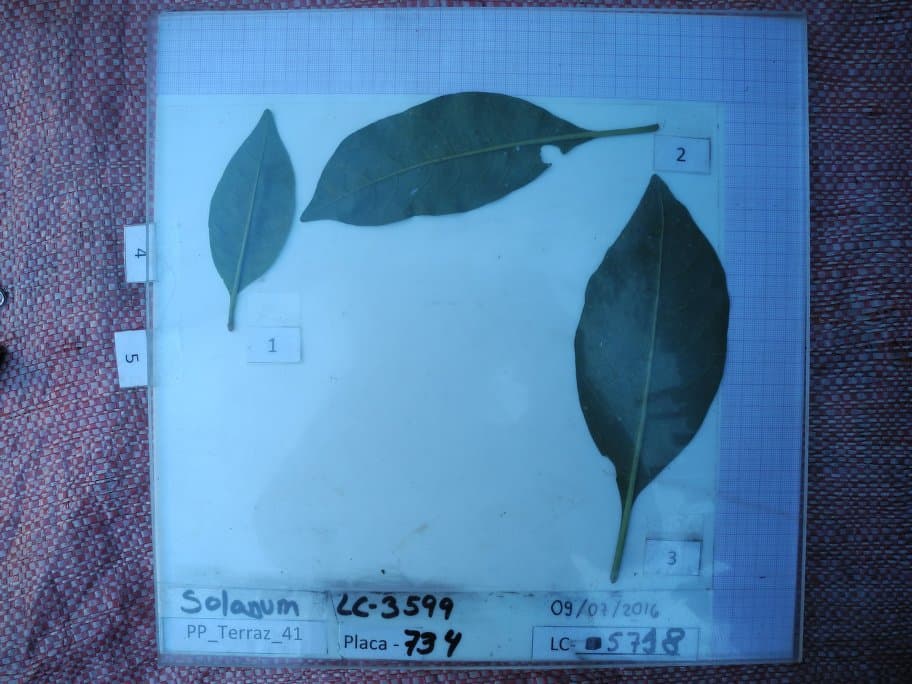
Solanum clandestinum
Image: M. Cornejo (cc-by-nc)
NameSolanum clandestinum
Scientific NameSolanum clandestinum
Plant FamilySolanaceae
Natural HabitatNative to montane and cloud forests of the Andes in South America, particularly Bolivia, Peru, and Ecuador. It is often found in disturbed areas at elevations ranging from 1500 to 3000 meters.
Parts Usedleaf
Traditional UsesSpecific traditional medicinal uses for Solanum clandestinum are not widely documented in general ethnobotanical literature. The genus Solanum is known for containing potent compounds, and many species are considered toxic, requiring extreme caution if used medicinally.
Active Constituentssteroidal glycoalkaloids, solanine, solamargine, solasonine
Contraindications & WarningsDue to the presence of potentially toxic steroidal glycoalkaloids common in the Solanum genus, Solanum clandestinum should be considered potentially toxic. Internal use is strongly discouraged. Contraindications include pregnancy, lactation, children, and individuals with nightshade sensitivities or gastrointestinal issues.
Cultivation NotesThis species prefers well-drained soil and a humid, subtropical to tropical montane climate with partial shade to full sun. It can be propagated from seeds.
Rarityuncommon
Description
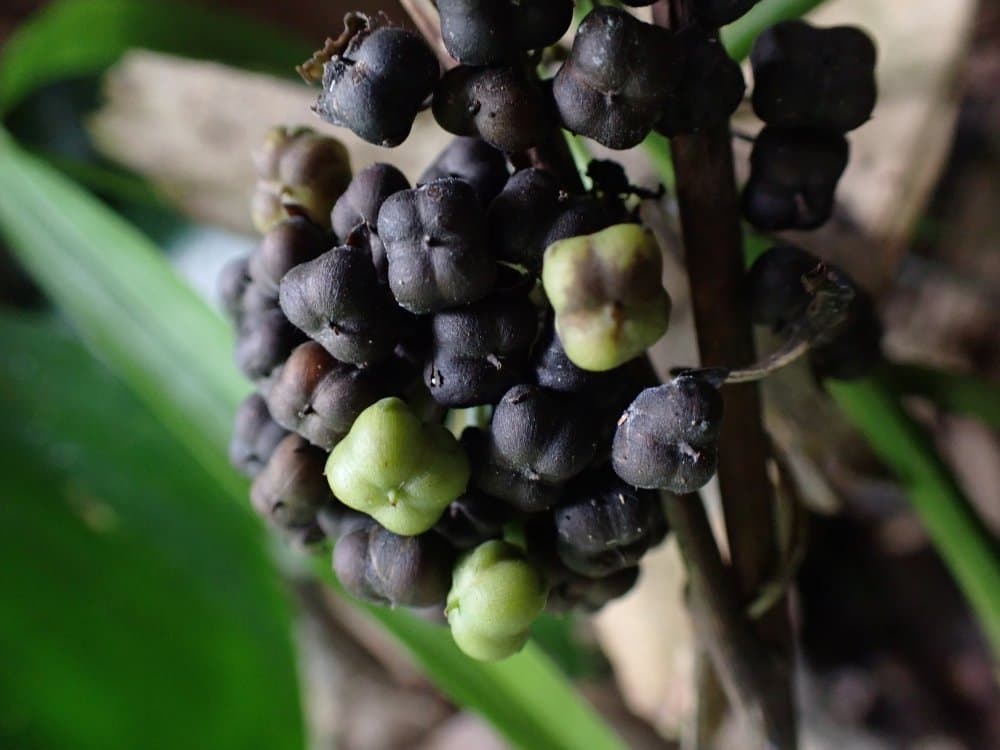
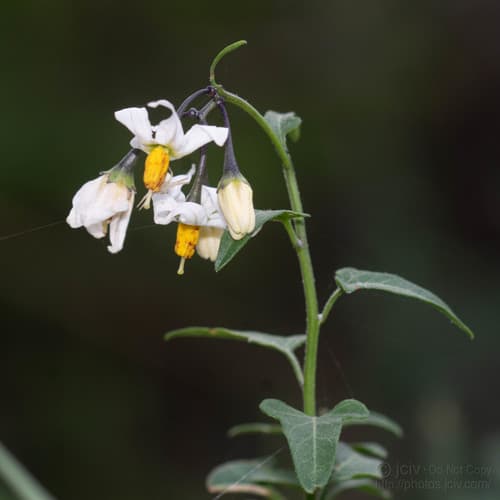
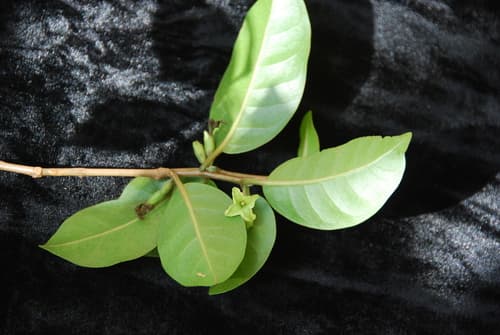
Solanum clandestinum is a shrub or small tree, typically 1-3 meters tall, characterized by simple, ovate to elliptic leaves with entire margins. It produces white or purplish flowers followed by berries, typical of the nightshade family.