Solanum multifidum
NameSolanum multifidum
Scientific NameSolanum multifidum
Common NamesPapas de campo, Fox Potato
Plant FamilySolanaceae
Natural HabitatNative to arid and semi-arid regions of South America, particularly Chile and Argentina. It thrives in rocky or sandy soils, open fields, and disturbed areas.
Parts Usedroot
Medicinal Actionsanti-inflammatory, diuretic
Traditional UsesTraditionally, the tubers of Solanum multifidum have been consumed by indigenous peoples, such as the Mapuche, often after processing (e.g., boiling, drying) to reduce bitterness and potential toxicity. While specific medicinal uses are not extensively documented, some general applications for digestive or urinary issues have been anecdotally mentioned, likely due to the presence of glycoalkaloids common in the Solanum genus.
Active ConstituentsSteroidal glycoalkaloids
Preparation Methodspowder, decoction
Contraindications & WarningsAll parts of Solanum multifidum, especially the tubers and unripe fruits, contain steroidal glycoalkaloids which can be toxic if consumed in large quantities or without proper preparation. Symptoms of poisoning can include gastrointestinal upset, nausea, vomiting, and neurological effects. It should be used with extreme caution, if at all, and avoided by pregnant or nursing women, children, and individuals with liver or kidney conditions.
Cultivation NotesThis plant prefers well-drained, often poor soils and full sun exposure. It is relatively drought-tolerant and can be propagated from seeds or its tubers. It is not widely cultivated as a medicinal plant.
Rarityuncommon
Description
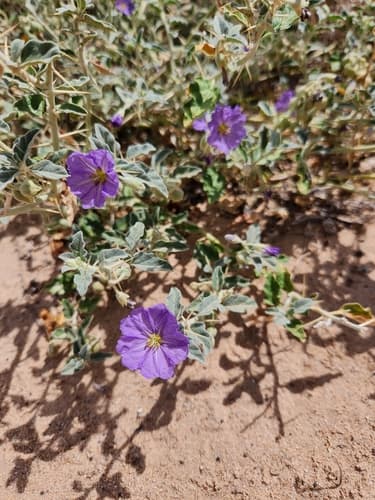
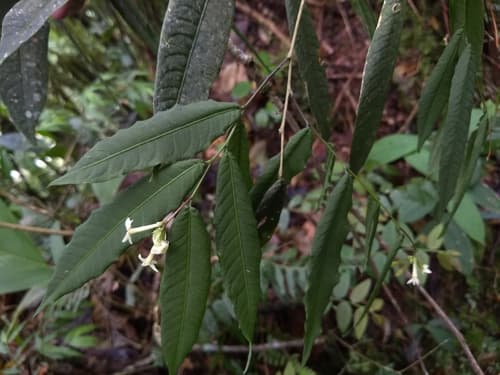
Solanum multifidum is a perennial herbaceous plant characterized by its deeply lobed, almost fern-like leaves and clusters of pale purple to whitish-lavender flowers with prominent yellow anthers. It typically grows low to the ground and produces small, edible tubers.