Reticulate Cestrum
NameReticulate Cestrum
Scientific NameCestrum reticulatum
Common NamesReticulate Cestrum
Plant FamilySolanaceae
Natural HabitatThis species is native to tropical and subtropical regions of the Americas, commonly found in disturbed areas, forest edges, and secondary growth.
Parts Usedleaf,flower
Medicinal Actionsanti-inflammatory, antimicrobial
Traditional UsesWhile specific traditional uses for *Cestrum reticulatum* are not widely documented, other species within the *Cestrum* genus have been traditionally used in folk medicine for treating fevers, pain, and various skin conditions, often applied externally.
Active Constituentssteroidal glycoalkaloids, saponins, flavonoids
Preparation Methodsinfusion, poultice
Contraindications & WarningsAll parts of *Cestrum* species are generally considered toxic due to the presence of steroidal glycoalkaloids, particularly when ingested. Ingestion can lead to gastrointestinal distress, neurological symptoms, and cardiac issues. Internal use is strongly discouraged. External application should be done with extreme caution, avoiding contact with open wounds or mucous membranes. Pregnant and breastfeeding women, children, and individuals with liver or kidney conditions should strictly avoid this plant.
Cultivation NotesReticulate Cestrum thrives in warm, tropical to subtropical climates. It prefers well-drained soil and can tolerate full sun to partial shade. Propagation can be achieved through seeds or stem cuttings.
Raritycommon
Description
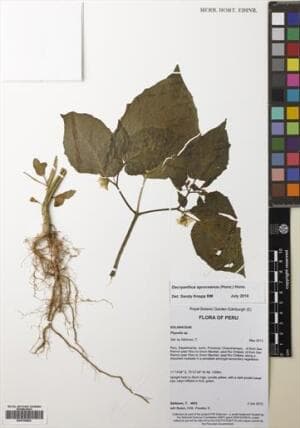
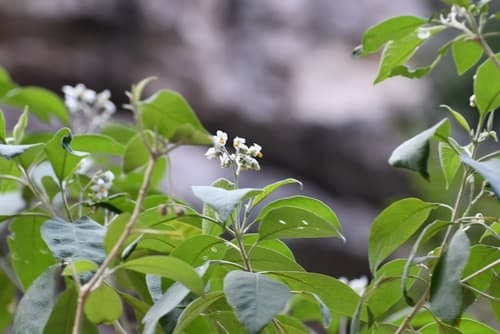
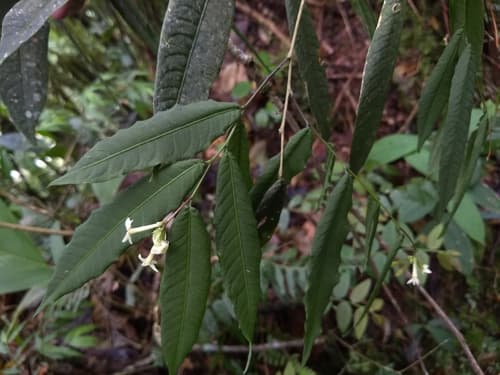
Reticulate Cestrum is a shrub or small tree characterized by its elongated, dark green, somewhat leathery leaves that display prominent reticulate venation. It produces small, tubular, pale yellowish-white flowers that typically emerge in clusters from the leaf axils.