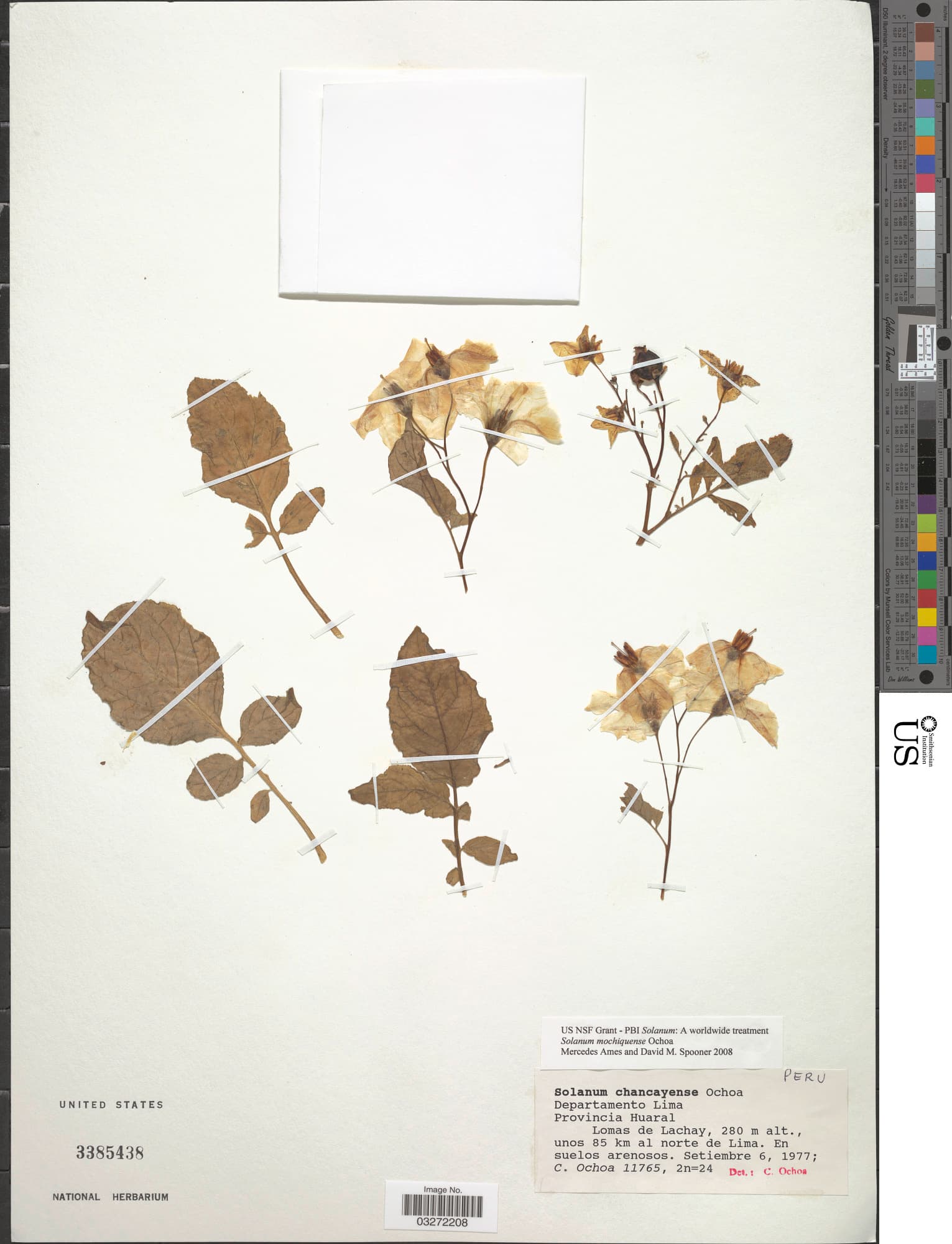
Solanum mochiquense
Image: Conveyor Belt (cc0)
NameSolanum mochiquense
Scientific NameSolanum mochiquense Ochoa
Common NamesWild Potato
Plant FamilySolanaceae
Natural HabitatNative to the Andean highlands of Peru, Solanum mochiquense is found in high-altitude grasslands, rocky slopes, and disturbed areas. It thrives in well-drained soils and is adapted to cooler, mountainous climates.
Parts Usedroot,leaf
Medicinal Actionsanti-inflammatory, analgesic
Traditional UsesPrimarily known for its tubers, which are traditionally consumed as food by indigenous communities in the Andes after careful processing to reduce the inherent glycoalkaloid toxicity. While direct medicinal uses for Solanum mochiquense are not extensively documented, other Solanum species are traditionally employed for their anti-inflammatory and analgesic properties, suggesting potential, albeit unverified, applications.
Active ConstituentsGlycoalkaloids (e.g., solanine, chaconine), Flavonoids, Phenolic acids
Preparation Methodsdecoction, powder, poultice
Contraindications & WarningsContains glycoalkaloids which are toxic if consumed in large quantities or improperly processed. Symptoms can include gastrointestinal distress, neurological effects, and in severe cases, death. Raw consumption should be strictly avoided.
Cultivation NotesGrows from tubers or seeds, preferring well-drained soil and full sun to partial shade. It is adapted to cooler temperatures typical of its native Andean highland habitat.
Rarityuncommon
Description
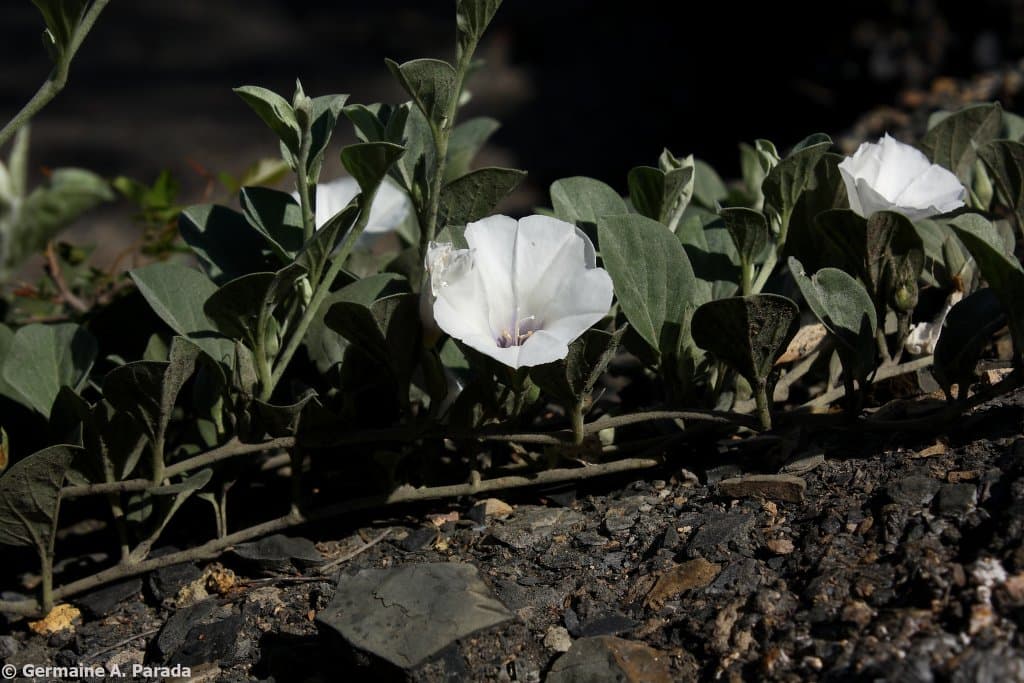
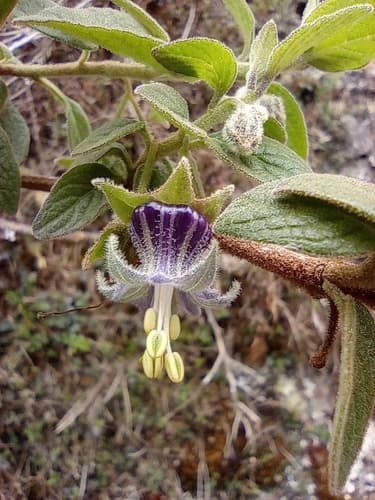
Solanum mochiquense is a wild herbaceous potato species characterized by its tuberous roots and often sprawling growth habit. It typically bears pinnately compound leaves and produces small, star-shaped flowers, usually white or purplish, which develop into small berries. This species is primarily recognized for its genetic value as a wild relative of the cultivated potato.