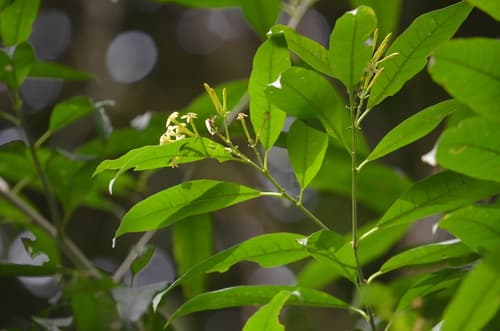
Intermediate Cestrum
NameIntermediate Cestrum
Scientific NameCestrum intermedium
Common NamesIntermediate Cestrum
Plant FamilySolanaceae
Natural HabitatNative to South America, particularly Brazil, thriving in tropical and subtropical climates. It is often found in disturbed areas, forest edges, and open woodlands.
Parts Usedleaf,flower
Medicinal Actionsantimicrobial, anti-inflammatory
Traditional UsesWhile some Cestrum species have been investigated for antimicrobial and anti-inflammatory properties in research, traditional medicinal use of Cestrum intermedium is extremely limited and highly cautioned due to its significant toxicity. Any historical or traditional applications would likely be external and highly localized, such as poultices, and require expert knowledge.
Active Constituentssteroidal saponins, alkaloids (e.g., solasodine, solamargine), flavonoids, phenolic compounds
Preparation Methodspoultice
Contraindications & WarningsALL PARTS OF Cestrum intermedium ARE HIGHLY TOXIC. Ingestion can cause severe gastrointestinal upset, neurological symptoms, and can be fatal to humans and livestock. Contains steroidal glycoalkaloids. Skin contact may cause dermatitis in sensitive individuals. This plant should not be used internally or without extreme caution and expert guidance.
Cultivation NotesPrefers full sun to partial shade and well-drained soil. It is tolerant of various soil types and can be grown as an ornamental shrub in warm, tropical, and subtropical climates.
Raritycommon
Description
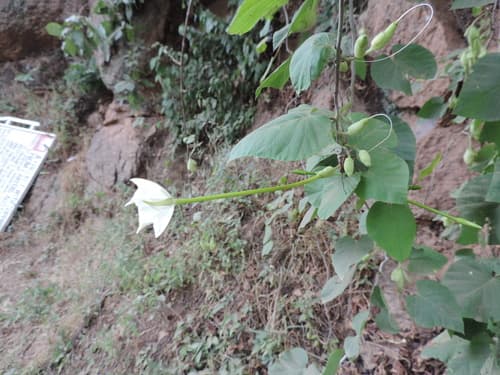
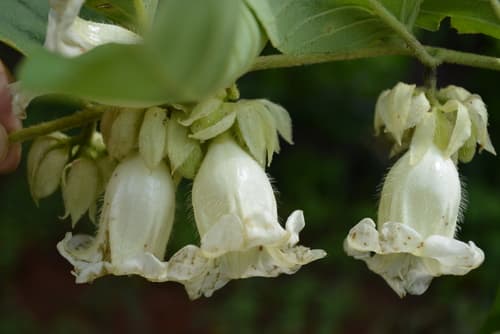
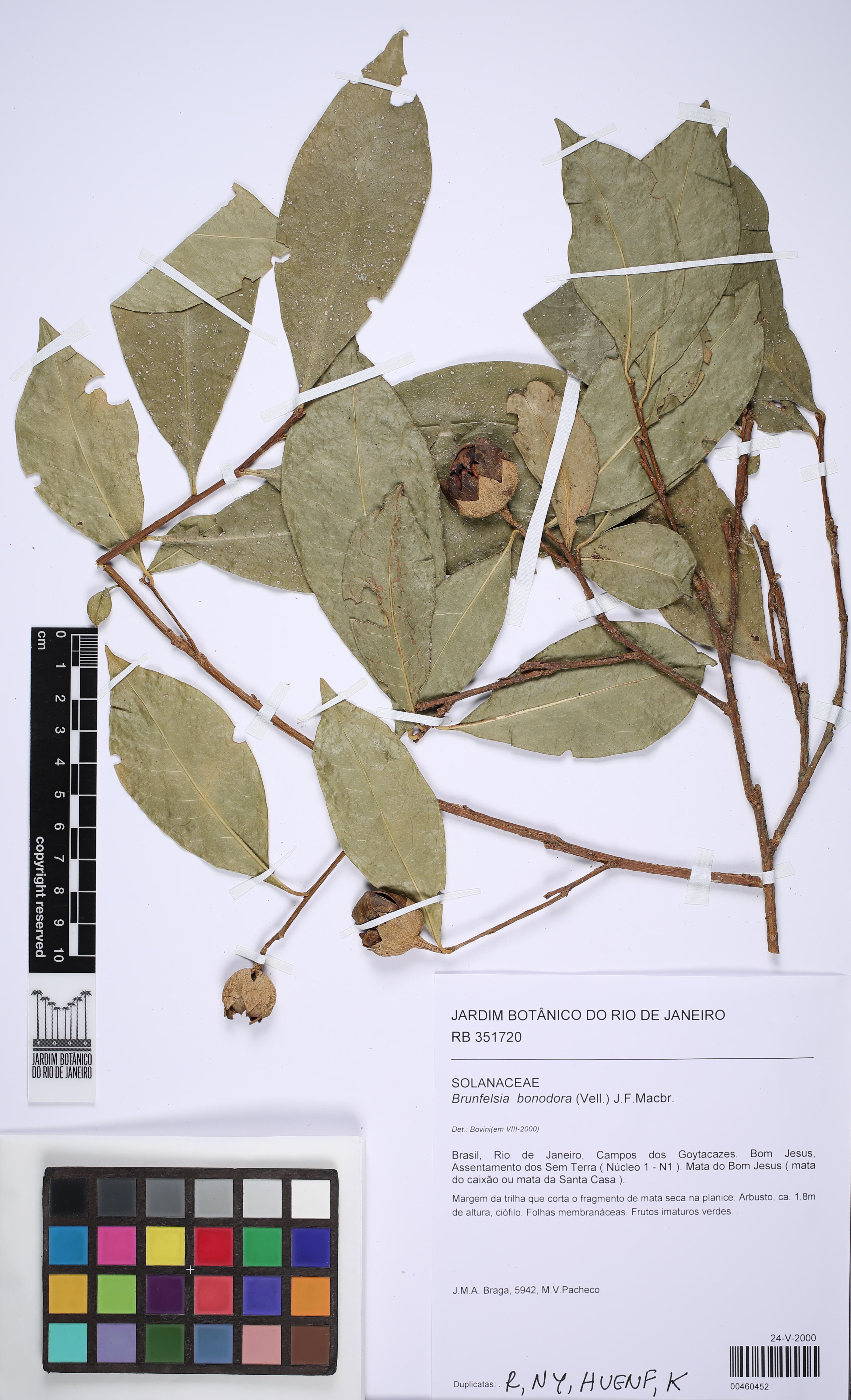
A shrub or small tree typically growing 1-4 meters tall, featuring simple, alternate, entire leaves. It produces clusters of tubular, yellowish-green to creamy white flowers that are often fragrant, especially at night.