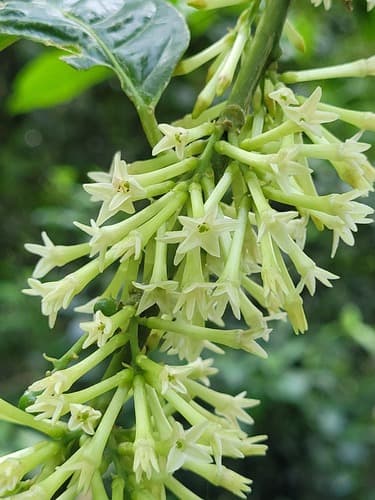
Solanum mitlense
NameSolanum mitlense
Scientific NameSolanum mitlense
Common NamesMitla Nightshade, Wild Tomatillo
Plant FamilySolanaceae
Natural HabitatNative to Mexico and Central America, commonly found in disturbed areas, roadsides, agricultural fields, and open woodlands, often at higher elevations.
Parts Usedleaf,fruit
Medicinal Actionsanalgesic, anti-inflammatory
Traditional UsesSpecific traditional medicinal uses for Solanum mitlense are not widely documented in general ethnobotanical literature. However, other species within the Solanum genus are traditionally used for their anti-inflammatory and analgesic properties, often applied topically for pain or skin conditions. The fruits of some Solanum species are consumed when ripe, but unripe fruits are generally considered toxic.
Active Constituentssteroidal glycoalkaloids, solanine, solamargine
Preparation Methodsinfusion, poultice
Contraindications & WarningsAll parts of Solanum mitlense, especially unripe fruits, contain toxic steroidal glycoalkaloids which can cause gastrointestinal upset, nausea, vomiting, and neurological symptoms if ingested. It should be avoided by pregnant or lactating individuals, children, and those with pre-existing medical conditions or taking medications. Use with extreme caution and only under expert guidance.
Cultivation NotesThis plant is relatively easy to grow from seed, preferring full sun to partial shade and well-drained soil. It can be quite vigorous and may be considered weedy in some agricultural contexts.
Raritycommon
Description
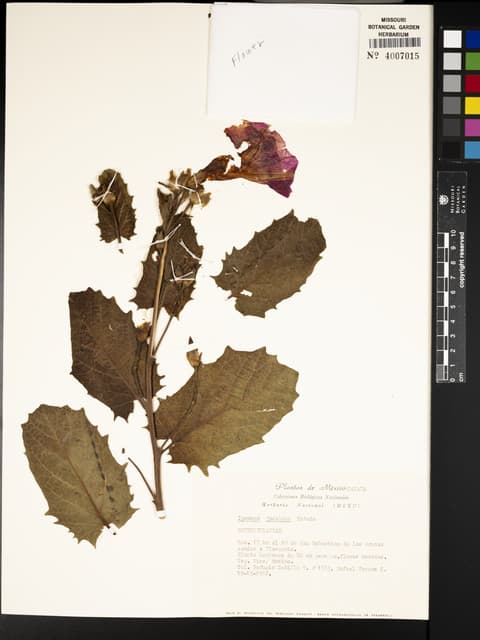
A herbaceous perennial or small shrub characterized by large, ovate, densely pubescent (hairy) leaves with wavy margins. It produces star-shaped purple flowers with prominent yellow anthers, followed by clusters of small, spherical green berries that ripen to yellowish or purplish.