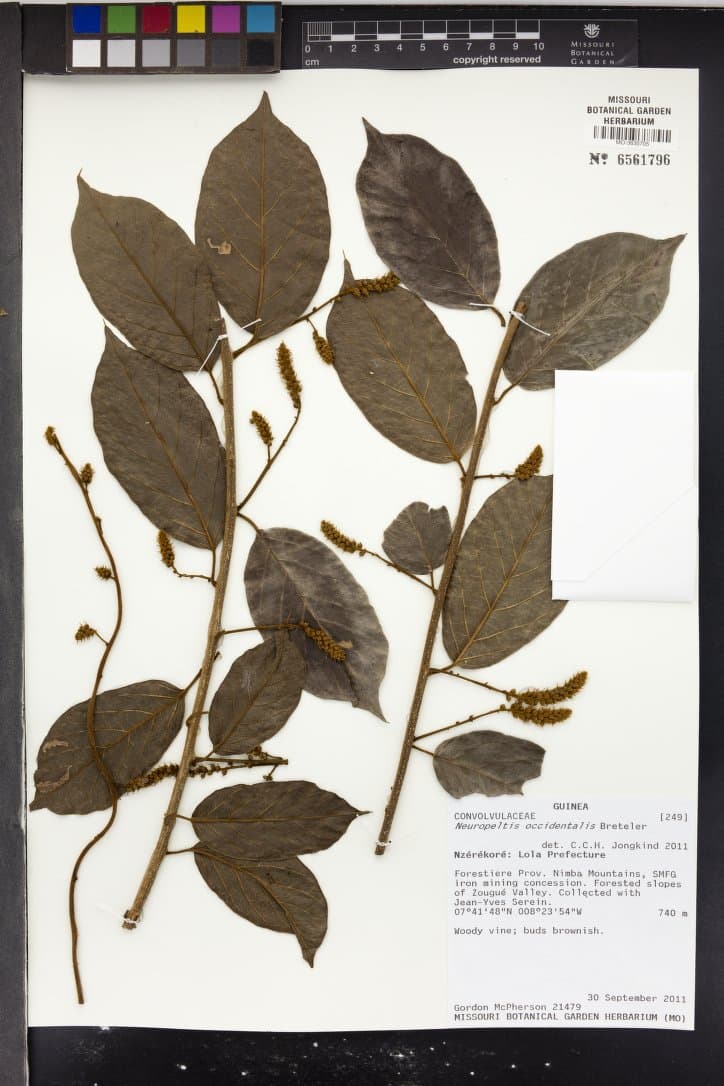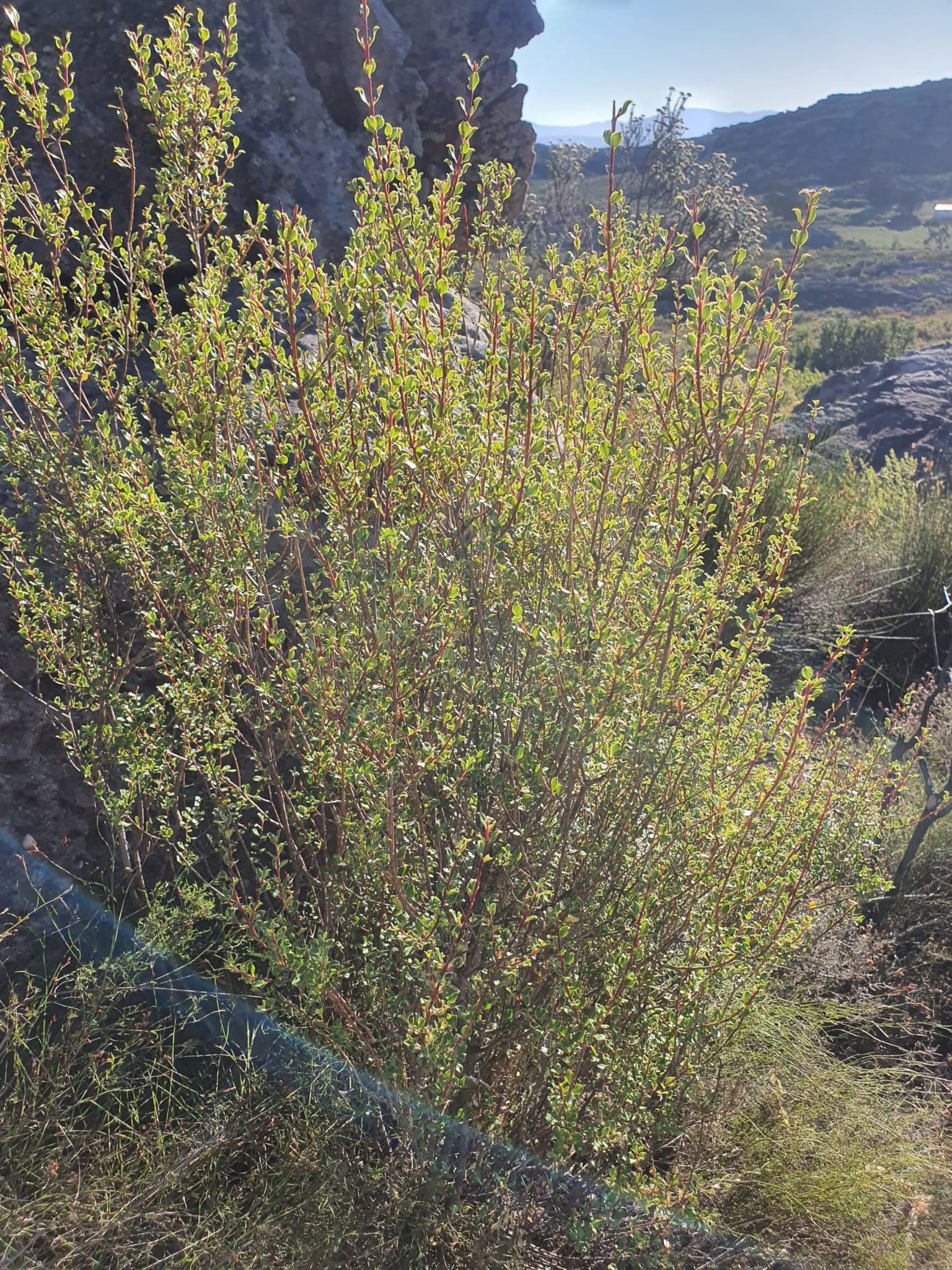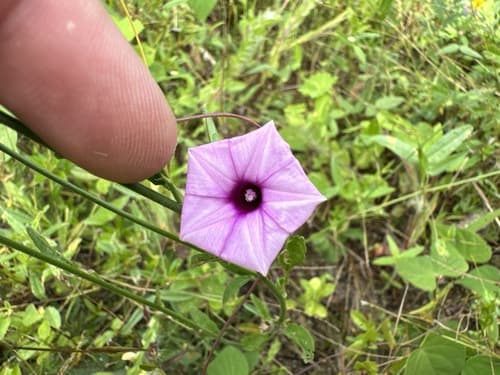
Ipomoea chiquitensis
NameIpomoea chiquitensis
Scientific NameIpomoea chiquitensis
Common NamesChiquitos Morning Glory
Plant FamilyConvolvulaceae
Natural HabitatNative to South America, particularly found in Bolivia (Chiquitos region), Paraguay, and parts of Brazil. It thrives in savannas, dry forests, and often colonizes disturbed areas, preferring warm climates and well-drained soils.
Parts Usedleaf,root
Medicinal Actionsanti-inflammatory, diuretic
Traditional UsesSpecific traditional medicinal uses for Ipomoea chiquitensis are not widely documented in ethnobotanical literature. However, other species within the Ipomoea genus are traditionally used as purgatives, for wound healing, or for their anti-inflammatory properties, often utilizing root or leaf preparations.
Active ConstituentsResin glycosides
Preparation Methodsinfusion, decoction
Contraindications & WarningsDue to the general presence of resin glycosides in the Ipomoea genus, which can have purgative effects, caution is advised. Pregnant or nursing individuals and those with gastrointestinal sensitivities should avoid use. Consult a healthcare professional before use.
Cultivation NotesThis plant prefers full sun to partial shade and well-drained soil. It is a vigorous climber and can be grown from seed in warm climates. It is generally hardy and adaptable, often considered a weed in its native range.
Raritycommon
Description
Ipomoea chiquitensis is a herbaceous, vining plant characterized by its funnel-shaped, often purplish-pink flowers, which typically display a distinct pentagonal or star-like appearance when fully open. It is a member of the morning glory family, known for its rapid growth and climbing habit.