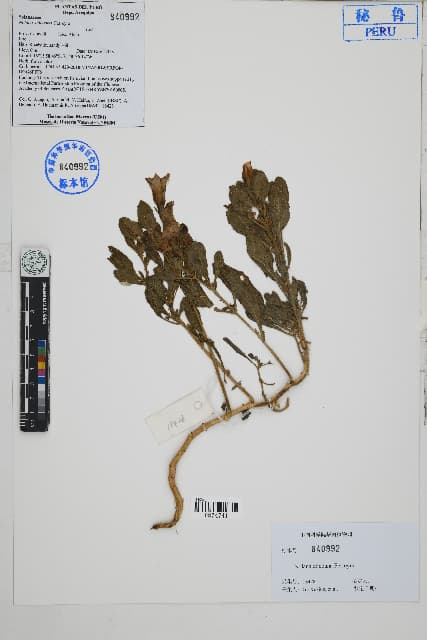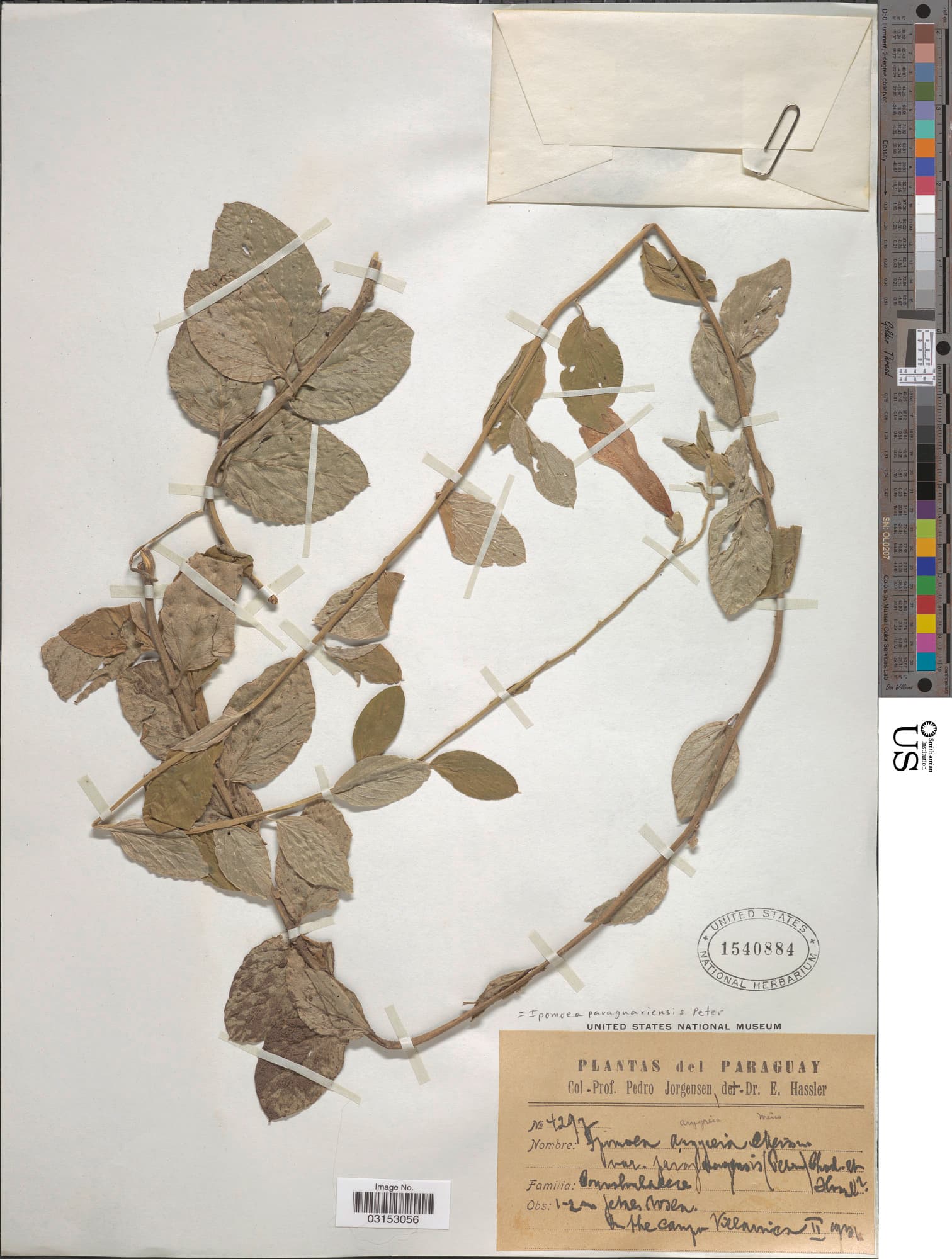
Solandra boliviana
NameSolandra boliviana
Scientific NameSolandra boliviana
Common NamesBolivian Chalice Vine, Copa de Oro
Plant FamilySolanaceae
Natural HabitatNative to montane cloud forests and humid tropical regions of Bolivia and surrounding areas in South America, thriving in well-drained, fertile soil.
Parts Usedflower,leaf,bark,root
Medicinal Actionsanalgesic, sedative
Traditional UsesTraditionally used by indigenous peoples in shamanic rituals for its potent hallucinogenic and entheogenic properties, inducing visions and altered states of consciousness. It was also employed as a powerful, albeit dangerous, analgesic for severe pain and as a narcotic, always with extreme caution due to its high toxicity.
Active Constituentshyoscyamine, scopolamine, atropine, tropane alkaloids
Preparation Methodsinfusion, decoction, poultice
Contraindications & WarningsEXTREMELY TOXIC. All parts of the plant are poisonous. Ingestion can lead to severe anticholinergic poisoning, including hallucinations, delirium, tachycardia, hyperthermia, dry mouth, blurred vision, seizures, coma, and death. Should not be used internally or externally without expert guidance; generally not recommended for self-medication. Interacts with other anticholinergic drugs.
Cultivation NotesRequires a warm, humid, frost-free climate. Prefers rich, well-drained soil and full sun to partial shade. Can be grown as a climbing vine or trained as a shrub. Propagated by seeds or cuttings.
Rarityuncommon
Description
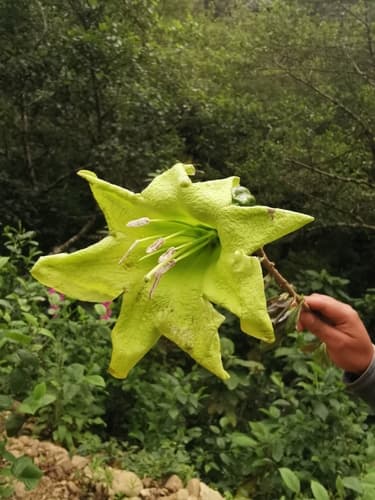
A large, woody vine or scrambling shrub, Solandra boliviana is characterized by its striking, very large, trumpet-shaped, greenish-yellow flowers that often turn golden with age. These fragrant blooms feature prominent stamens and a pistil, emerging from glossy, simple, alternate leaves.