Solanum chiapasense
NameSolanum chiapasense
Scientific NameSolanum chiapasense
Plant FamilySolanaceae
Natural HabitatNative to the montane cloud forests and humid forests of Chiapas, Mexico, and potentially adjacent regions of Central America. It thrives in higher elevations and can be found in both primary and disturbed forest areas.
Parts Usedleaf,fruit
Medicinal Actionsanti-inflammatory, antimicrobial
Traditional UsesSpecific traditional medicinal uses for Solanum chiapasense are not widely documented in ethnobotanical literature. However, other Solanum species are traditionally used for anti-inflammatory purposes, pain relief, and skin ailments, often requiring careful preparation due to potential toxicity.
Active Constituentssteroidal glycoalkaloids, solanine, solamargine
Preparation Methodspoultice, decoction
Contraindications & WarningsAll parts of Solanum chiapasense are considered potentially toxic due to steroidal glycoalkaloids. Ingestion can cause gastrointestinal upset, neurological symptoms, and other adverse effects. Avoid use during pregnancy, lactation, and in children.
Cultivation NotesPrefers humid, subtropical to tropical conditions with well-drained soil and partial shade to full sun. Propagation is typically by seed.
Rarityrare
Description
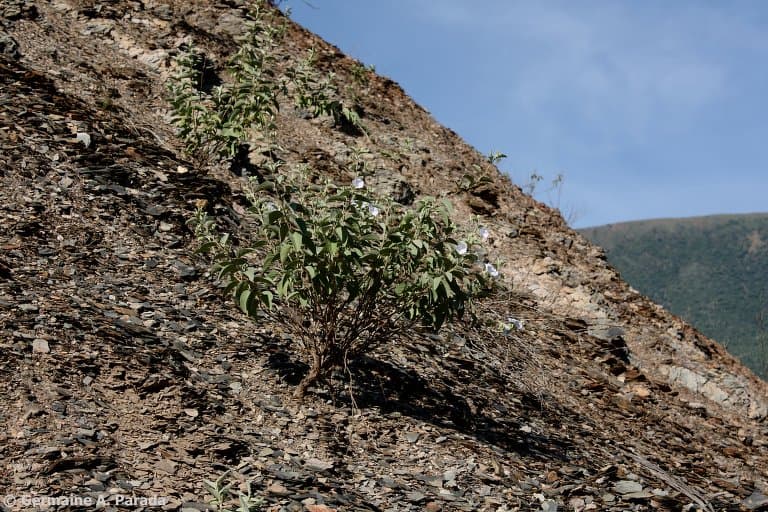
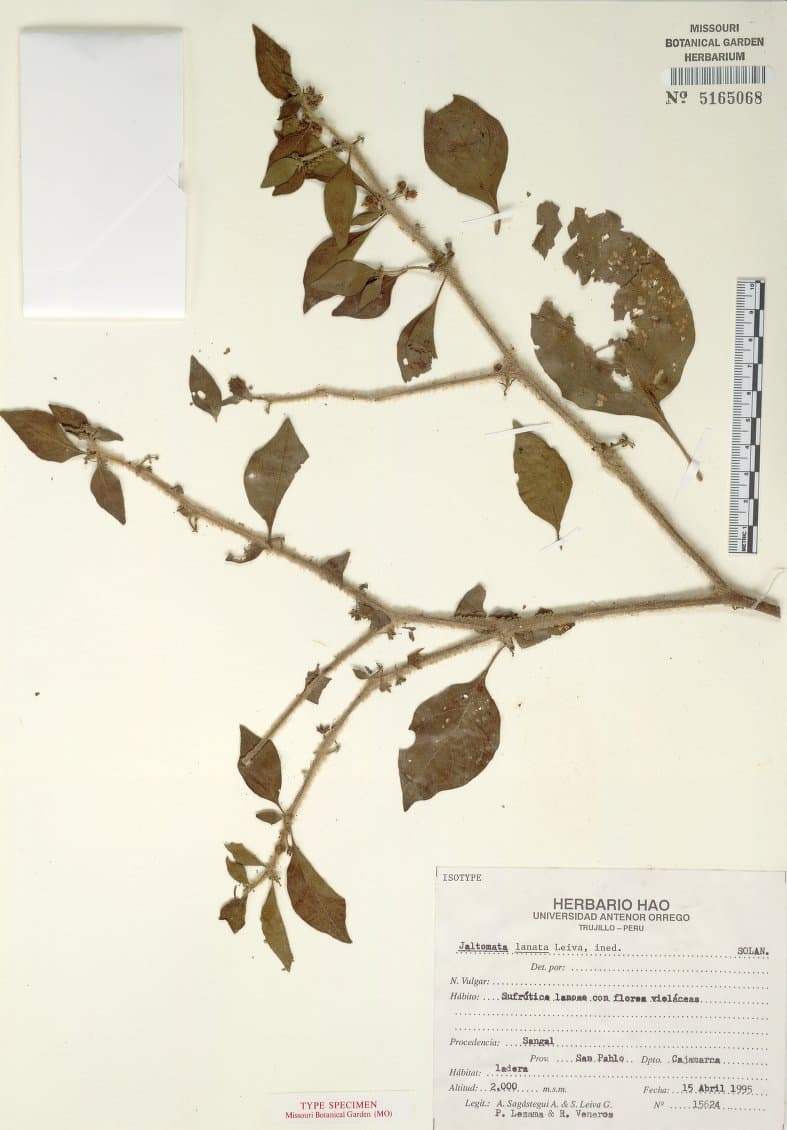
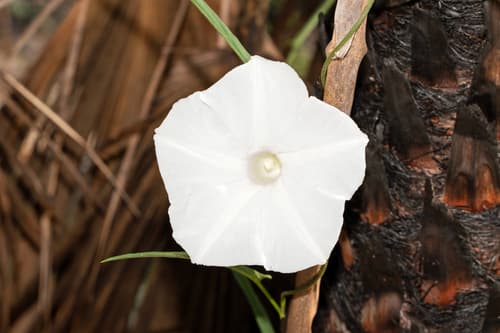
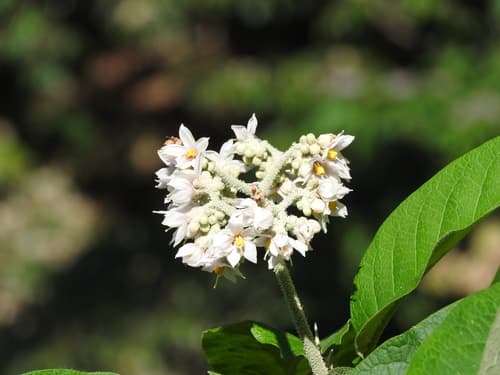
Solanum chiapasense is a shrub or small tree species belonging to the nightshade family. It produces clusters of small white to pale flowers with prominent yellow anthers, typical of the Solanum genus, and features large, simple green leaves.