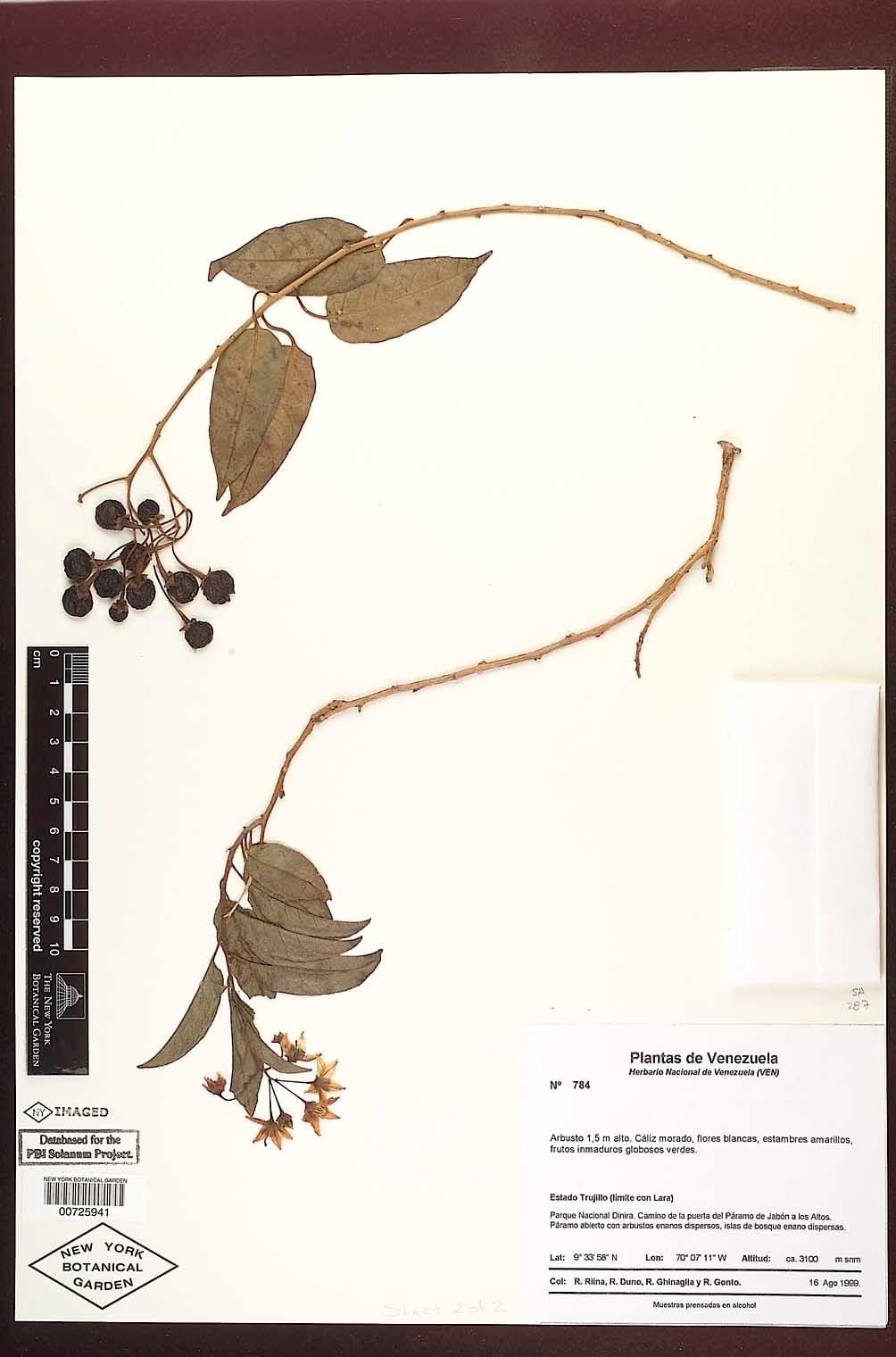
Canyon Morning-glory
NameCanyon Morning-glory
Scientific NameIpomoea barbatisepala
Common NamesCanyon Morning-glory, Bearded Morning-glory
Plant FamilyConvolvulaceae
Natural HabitatNative to arid and semi-arid regions of the southwestern United States and northern Mexico, typically found on rocky slopes, canyon walls, and desert scrublands.
Parts Usedseed,root
Medicinal Actionsnervine, sedative
Traditional UsesTraditionally, seeds of some *Ipomoea* species, including close relatives, have been used by indigenous cultures for their psychoactive properties in spiritual or ceremonial contexts. Roots of certain *Ipomoea* species are also known for their strong purgative effects.
Active ConstituentsErgoline alkaloids, Resins
Preparation Methodspowder, decoction
Contraindications & WarningsAll parts of Canyon Morning-glory, particularly the seeds, should be considered potentially toxic. Seeds contain psychoactive ergoline alkaloids and can cause nausea, vomiting, and hallucinogenic effects. Roots can be strongly purgative. Not recommended for internal use without expert guidance, especially for pregnant women, children, or individuals with psychiatric conditions.
Cultivation NotesThis drought-tolerant perennial thrives in full sun and well-drained, rocky or sandy soils. It is propagated by seed and requires minimal water once established, making it suitable for xeriscaping in appropriate climates.
Rarityuncommon
Description
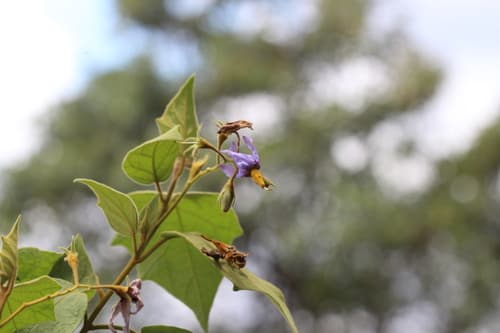
This perennial vine features deeply lobed, palmate green leaves and slender stems. It produces solitary, funnel-shaped flowers that are typically blue to lavender with a distinctive white or pale yellow throat.