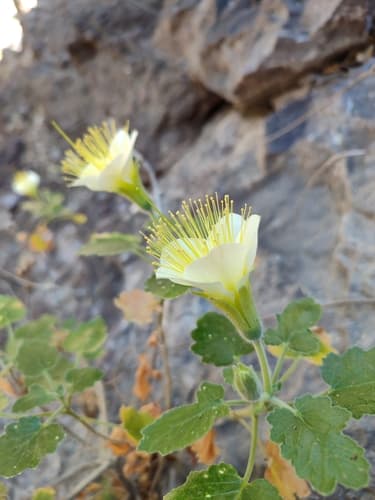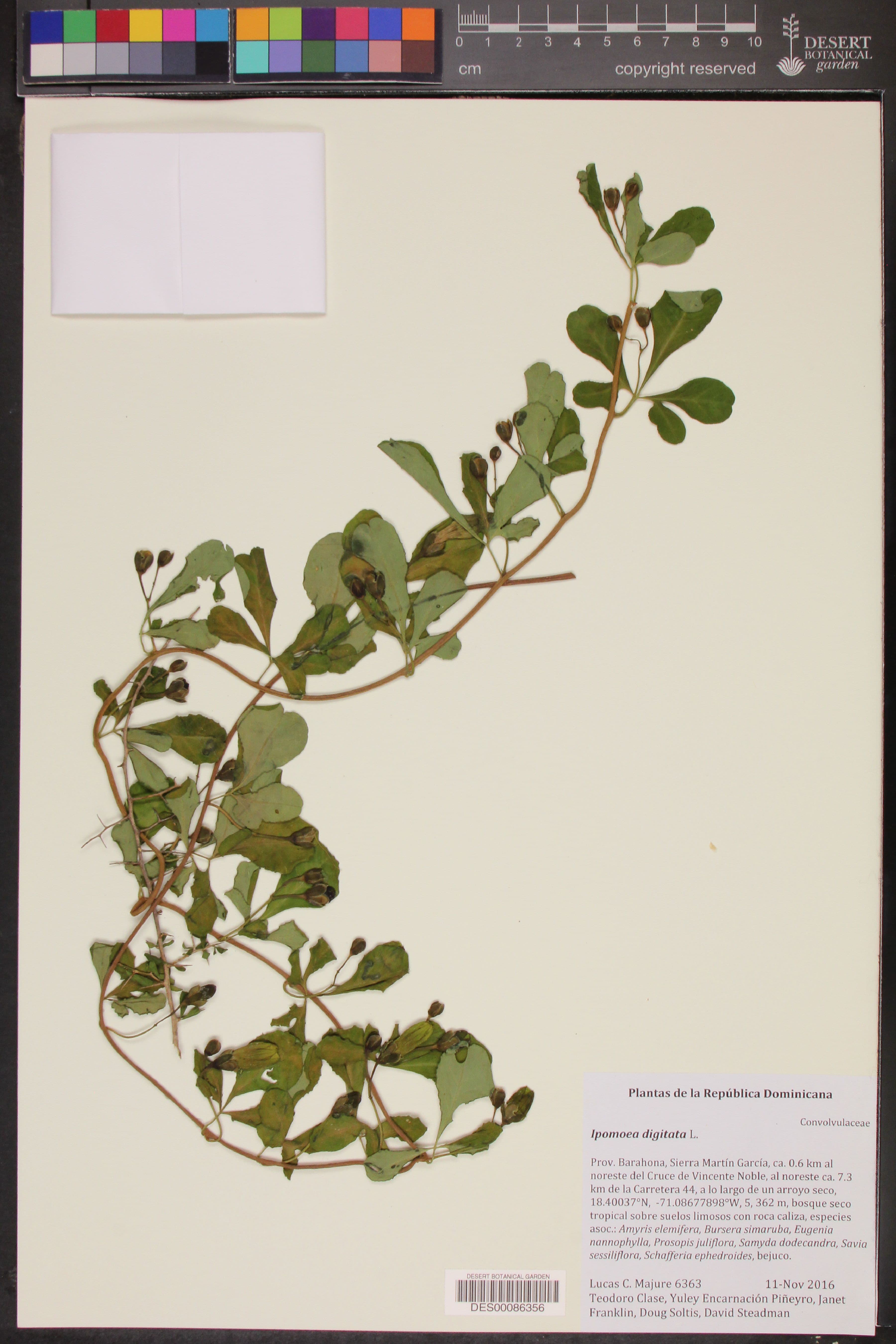
Ipomoea digitata
Image: Lucas C. Majure; Teodoro Clase, Yuley Encarnación Piñyero, Janet Franklin, Doug Soltis, David Steadman (cc-by-nc)
NameIpomoea digitata
Scientific NameIpomoea digitata L.
Common NamesGiant Potato, Wild Potato, Finger-leaf Morning Glory, Vidari, Ksheeravidari
Plant FamilyConvolvulaceae
Natural HabitatNative to tropical and subtropical regions worldwide, it thrives in dry tropical forests, forest edges, and disturbed areas, often found on loamy soils with limestone rock.
Parts Usedroot,leaf
Medicinal Actionsadaptogen, anti-inflammatory, antioxidant
Traditional UsesTraditionally, the tuberous roots are highly valued in Ayurvedic medicine as 'Vidari' or 'Ksheeravidari'. It is used as a general tonic, rejuvenative, aphrodisiac, and to promote lactation, increase strength, and support reproductive health. It also finds use in treating debility, emaciation, and certain urinary disorders.
Active Constituentssteroidal saponins, flavonoids, phenolic compounds, alkaloids, starch
Preparation Methodsdecoction, powder, infusion
Contraindications & WarningsCaution is advised during pregnancy and lactation due to insufficient safety data, despite traditional use as a galactagogue. Individuals with diabetes should monitor blood sugar levels, and those on hormone-sensitive therapies should be cautious due to potential phytoestrogenic effects.
Cultivation NotesThis plant prefers warm, humid climates with full sun to partial shade and well-drained soil. It can be propagated from seeds or root cuttings and requires support for its climbing habit.
Raritycommon
Description
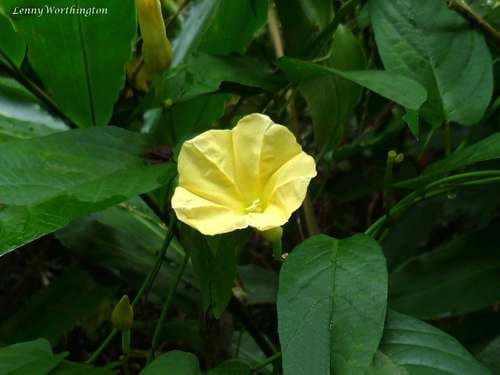
Ipomoea digitata is a robust, perennial, woody climbing vine characterized by large, deeply palmately lobed leaves, typically with 5-7 'finger-like' segments. It produces funnel-shaped flowers, usually pink to purple, and develops large, tuberous roots.