longflower cestrum
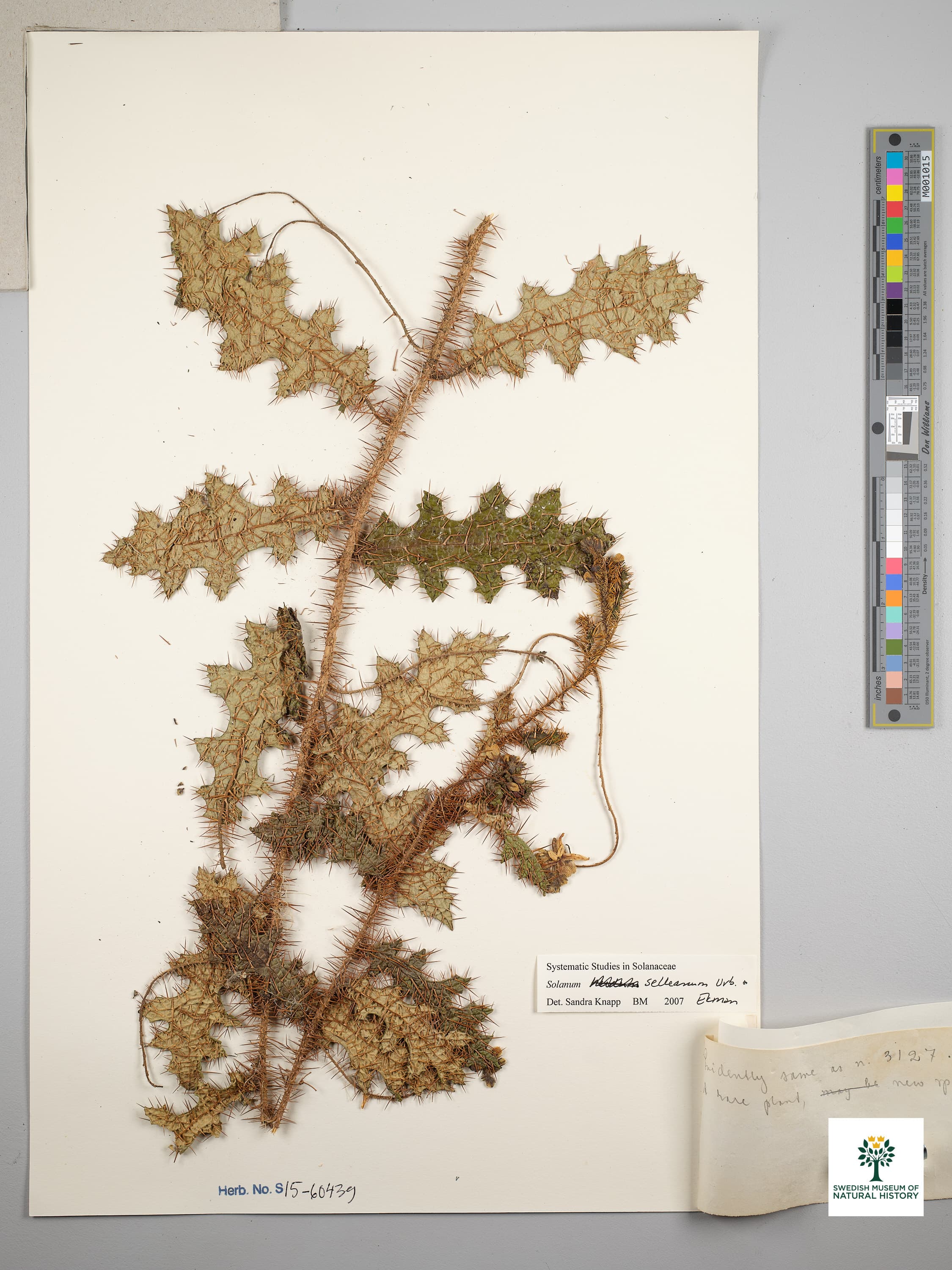
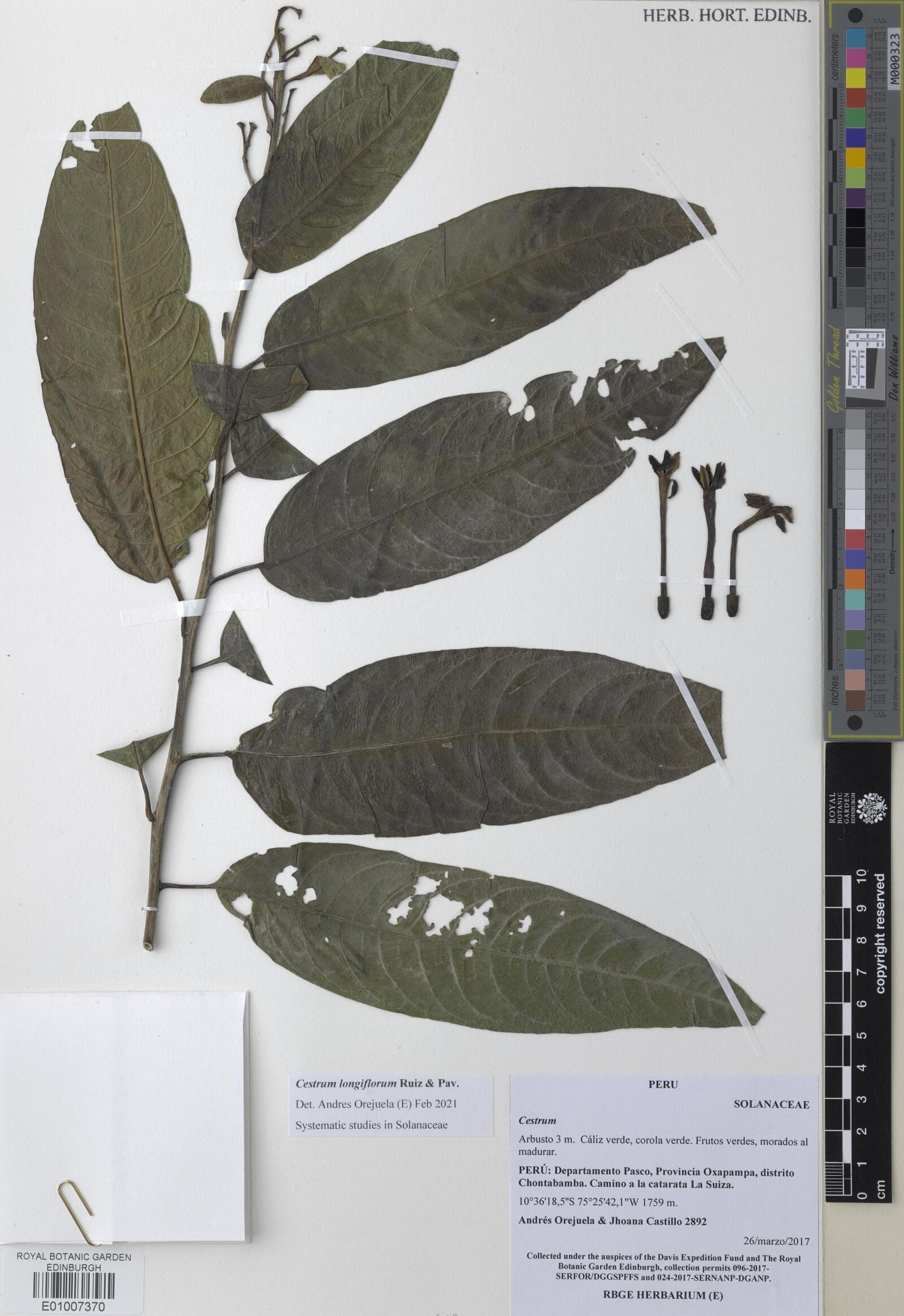
Image: Royal Botanic Garden Edinburgh (cc0)
Namelongflower cestrum
Scientific NameCestrum longiflorum Ruiz & Pav.
Common Nameslongflower cestrum
Plant FamilySolanaceae
Natural HabitatNative to Peru, specifically found in the Pasco Department, Oxapampa Province, Chontabamba district, near the La Suiza waterfall, at an elevation of 1759 meters.
Parts Usedleaf,whole_plant
Medicinal Actionsanalgesic, anti-inflammatory, antimicrobial
Traditional UsesInformation on the specific traditional medicinal uses of Cestrum longiflorum is scarce. However, other species within the Cestrum genus are sometimes used in folk medicine for conditions such as fever, pain, and inflammation, often applied externally. Due to the known toxicity of many Cestrum species, internal use is generally not recommended and can be dangerous.
Active Constituentssteroidal saponins, steroidal glycosides, alkaloids
Preparation Methodspoultice, infusion
Contraindications & WarningsAll parts of Cestrum species, including Cestrum longiflorum, are generally considered toxic due to the presence of steroidal saponins and glycosides. Ingestion can cause severe gastrointestinal upset, neurological symptoms, and can be fatal. Contact with the plant may also cause skin irritation. Use with extreme caution, if at all, and only under expert supervision for external applications.
Cultivation NotesCestrum longiflorum is a tropical shrub, likely preferring warm, humid climates and well-drained soil. It can grow up to 3 meters in height. Specific cultivation requirements are not widely documented, but general care for Cestrum species includes full sun to partial shade and regular watering.
Rarityuncommon
Description
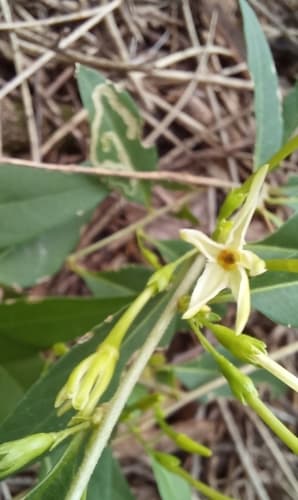
Cestrum longiflorum is a shrub growing up to 3 meters tall, characterized by green calyx and corolla. Its fruits are green, maturing to a purple color. The specimen shows elongated leaves and small, dried flower or fruit structures.