Solanum huaylasense
NameSolanum huaylasense
Scientific NameSolanum huaylasense
Common NamesWild Potato, Papa Silvestre
Plant FamilySolanaceae
Natural HabitatFound in high-altitude Andean regions of Peru, typically in rocky, disturbed areas, open grasslands, or along roadsides.
Parts Used
Traditional UsesNo widely documented traditional medicinal uses. Like many wild Solanum species, it contains steroidal glycoalkaloids and is generally considered toxic if consumed without proper processing. Its primary interest is as a genetic resource for potato breeding.
Active ConstituentsSteroidal glycoalkaloids (e.g., solanine, chaconine)
Contraindications & WarningsAll parts of Solanum huaylasense are considered toxic due to the presence of steroidal glycoalkaloids. Ingestion can cause severe gastrointestinal upset, neurological symptoms, and can be fatal. Avoid consumption, especially during pregnancy, lactation, and in children.
Cultivation NotesCan be grown from seed or tubers. Prefers well-drained soil and full sun, tolerating the cooler temperatures and high altitudes typical of its native Andean habitat.
Rarityuncommon
Description
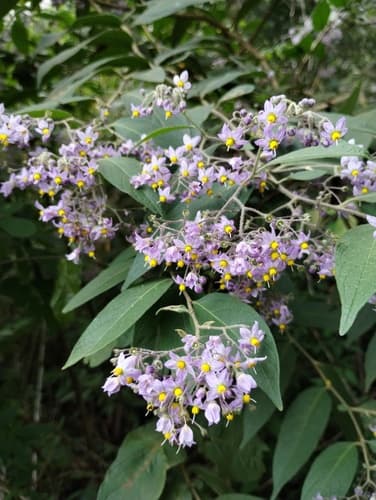
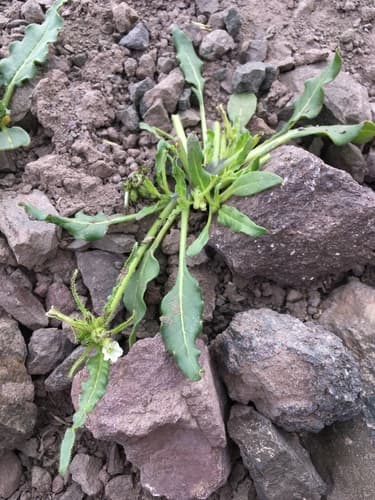
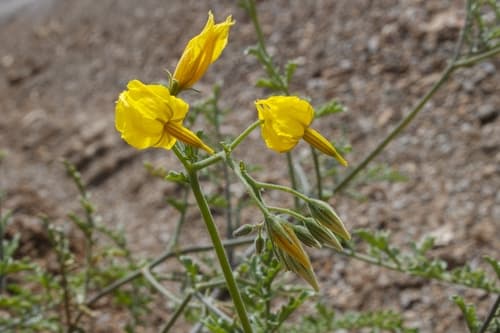
Solanum huaylasense is an herbaceous perennial wild potato species native to the high Andes of Peru. It features yellow, star-shaped flowers with prominent yellow anthers forming a cone, characteristic of the Solanum genus. The plant produces pinnately compound leaves and forms tubers underground.