Cinnamon
Image: Ronith Urs (cc-by)
NameCinnamon
Scientific NameCinnamomum verum
Common NamesCinnamon, True Cinnamon, Ceylon Cinnamon
Plant FamilyLauraceae
Natural HabitatThrives in tropical rainforests and humid climates, typically found in well-drained, fertile soils in lowland areas. It is widely cultivated in tropical regions globally.
Parts Usedbark,leaf,essential_oil
Medicinal Actionsantioxidant, anti-inflammatory, antimicrobial, carminative
Traditional UsesHistorically used in Ayurvedic and traditional Chinese medicine for digestive issues, colds, flu, and to warm the body. It is also valued for its ability to help regulate blood sugar levels and as a general tonic.
Active ConstituentsCinnamaldehyde, Eugenol, Cinnamic acid
Preparation Methodsinfusion, decoction, powder, essential oil
Contraindications & WarningsHigh doses, especially of less pure forms (like Cassia cinnamon), can be hepatotoxic due to coumarin content. Essential oil should be diluted and used cautiously, as it can cause skin irritation. May interact with blood-thinning or diabetes medications.
Cultivation NotesPrefers warm, humid conditions with ample rainfall and well-drained, sandy loam soil. Can be grown from seed or cuttings and requires regular pruning to encourage bark production.
Raritycommon
Description
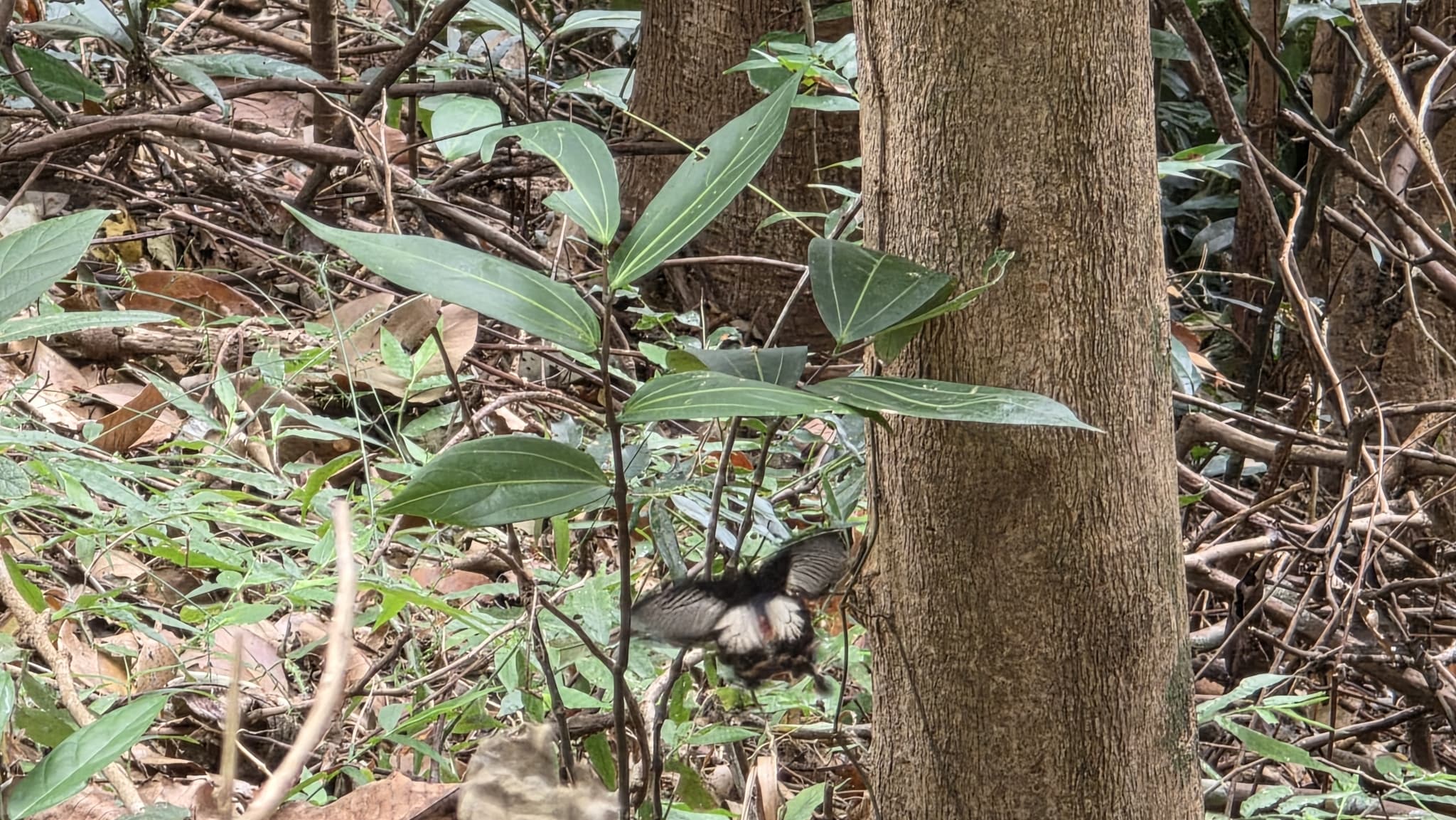
A small to medium-sized evergreen tree, native to Sri Lanka, characterized by its smooth, pale bark and ovate-lanceolate leaves with three prominent parallel veins. It produces small, inconspicuous yellow flowers and dark purple berries.