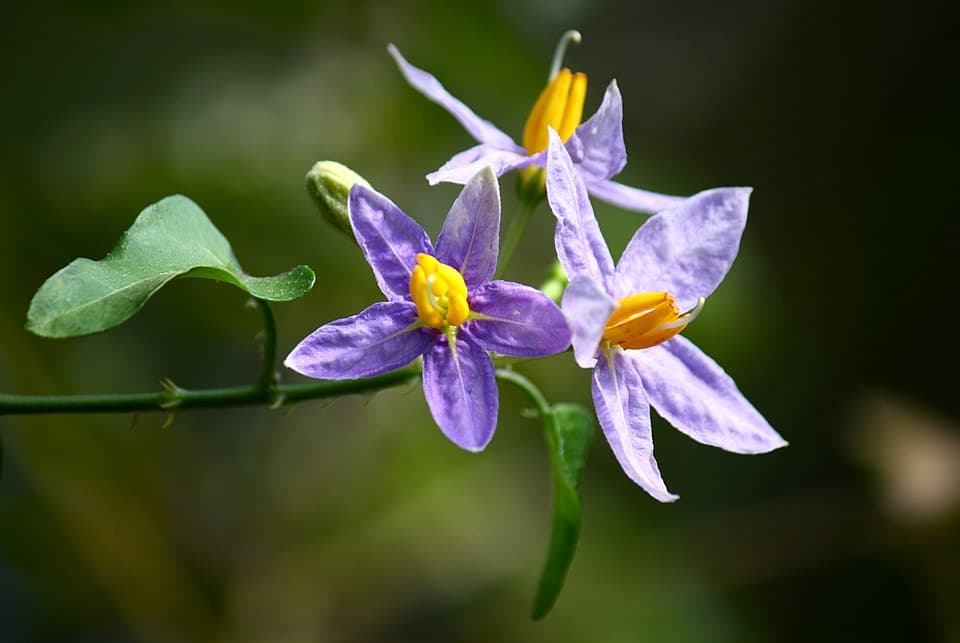
Solanum hirtulum
Image: Schimper, Georg Heinrich Wilhelm (cc0)
NameSolanum hirtulum
Scientific NameSolanum hirtulum Steud. ex Dunal
Common NamesHairy Nightshade
Plant FamilySolanaceae
Natural HabitatNative to South America, particularly Brazil, Uruguay, and Argentina, Solanum hirtulum thrives in disturbed areas, grasslands, and forest edges. It is often found growing as a weed in agricultural fields and pastures.
Parts Usedwhole_plant
Medicinal Actionsanti-inflammatory, antimicrobial
Traditional UsesSpecific, well-documented traditional medicinal uses for Solanum hirtulum are not widely available in mainstream ethnobotanical literature. However, many species within the Solanum genus have a history of use in folk medicine for various ailments, often with extreme caution due to the presence of toxic compounds. Any traditional application would likely involve external use or highly controlled internal doses.
Active Constituentssteroidal glycoalkaloids
Preparation Methodspoultice
Contraindications & WarningsDue to the presence of steroidal glycoalkaloids, Solanum hirtulum is considered toxic, especially its unripe fruits and other plant parts. Ingestion can cause gastrointestinal upset, neurological symptoms, and can be fatal in large doses. It is contraindicated for internal use, during pregnancy and lactation, and for individuals with liver or kidney conditions. Consult a qualified healthcare professional before any use.
Cultivation NotesSolanum hirtulum is typically found growing wild and is often considered a weed. It prefers full sun to partial shade and well-drained soils. It is generally easy to grow and can be quite resilient in various conditions.
Raritycommon
Description
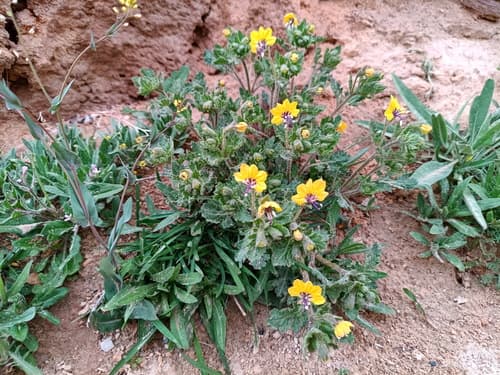
Solanum hirtulum is a herbaceous plant or small shrub characterized by its hairy stems and leaves. It bears simple, often ovate to lanceolate leaves and produces small berries, typically green ripening to yellow or orange. The plant is a member of the nightshade family, which includes many species known for potent compounds.