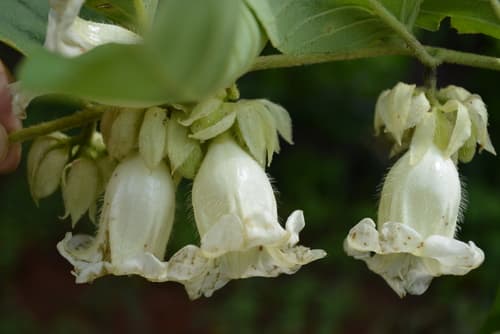
Nasa ranunculifolia
NameNasa ranunculifolia
Scientific NameNasa ranunculifolia
Common NamesOrtiga de la sierra, Ortiga brava
Plant FamilyLoasaceae
Natural HabitatNative to the high-altitude Andean regions of South America, thriving in moist, rocky soils, often found in disturbed areas, roadsides, and agricultural fields.
Parts Usedleaf,whole_plant
Medicinal Actionsanalgesic, anti-inflammatory
Traditional UsesTraditionally, the stinging leaves are applied topically as a counter-irritant to alleviate rheumatic pain, arthritis, and muscle aches. The stinging sensation is believed to stimulate circulation and reduce deeper pain.
Active ConstituentsAcetylcholine, Histamine, Serotonin, Formic acid, Flavonoids, Phenolic compounds
Preparation Methodspoultice
Contraindications & WarningsDirect skin contact causes irritation, redness, and pain due to stinging hairs. Avoid contact with eyes and mucous membranes. Not recommended for individuals with sensitive skin, allergies to stinging plants, or during pregnancy and lactation. Internal use is generally not advised due to potential irritation.
Cultivation NotesPrefers cool, high-altitude climates with moist, well-drained soil. Can tolerate partial shade to full sun. Propagated by seed. Handle with care due to stinging hairs.
Rarityuncommon
Description
This herbaceous plant is characterized by its large, deeply lobed leaves resembling buttercup foliage and distinctive pendulous, bell-shaped orange flowers. The entire plant, especially the stems and leaves, is covered in stinging hairs (glochids).