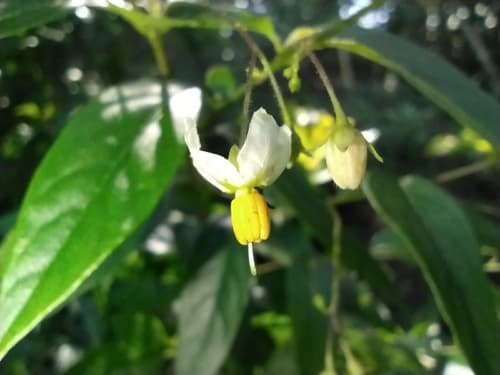
Solanum hirtellum
NameSolanum hirtellum
Scientific NameSolanum hirtellum
Common NamesHairy Nightshade, Sticky Nightshade
Plant FamilySolanaceae
Natural HabitatNative to parts of North and South America, it is commonly found in disturbed areas, fields, roadsides, and open woodlands. It thrives in sunny locations with well-drained soil.
Parts Usedleaf,fruit,whole_plant
Medicinal Actionsanti-inflammatory, antimicrobial
Traditional UsesDue to its high toxicity, Solanum hirtellum is not widely used in mainstream herbal medicine. While some Solanum species have been traditionally used in folk medicine for conditions like skin ailments (often as poultices) or internally for fevers and pain, these uses are often associated with significant risks and specific, highly localized traditional practices. For S. hirtellum, specific safe traditional uses are not well-documented, and internal use is strongly discouraged due to the presence of toxic glycoalkaloids.
Active Constituentssteroidal glycoalkaloids (e.g., solanine, solamargine, solasonine), saponins, flavonoids
Preparation Methodspoultice
Contraindications & WarningsAll parts of Solanum hirtellum, especially unripe berries, are considered toxic due to steroidal glycoalkaloids. Internal use is highly dangerous and not recommended. Contraindicated in pregnancy, lactation, children, and individuals with liver, kidney, or gastrointestinal conditions. May interact with medications affecting the central nervous system or liver. Extreme caution is advised even for external use.
Cultivation NotesThis plant grows easily from seed in full sun to partial shade and prefers well-drained soil. It can be quite vigorous and is often considered a weed in agricultural and disturbed areas.
Raritycommon
Description
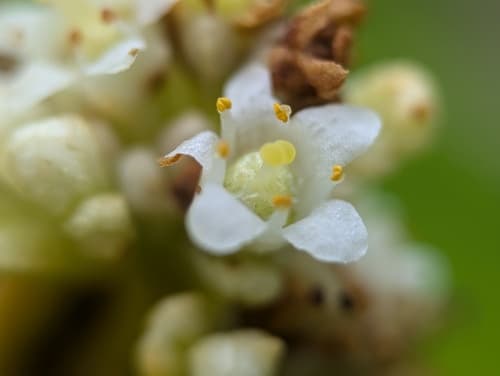
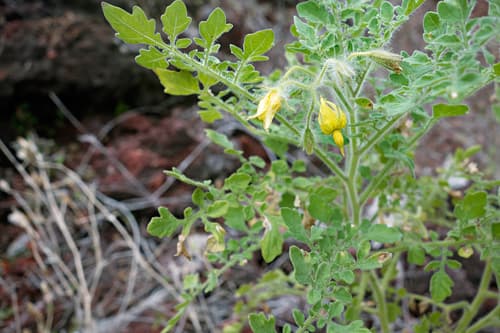
Solanum hirtellum is an annual or short-lived perennial herb, typically sprawling or erect, characterized by its hairy stems and leaves. It produces small white flowers with prominent yellow anthers, followed by small, often green or purplish berries.