Cuscuta saururi
NameCuscuta saururi
Scientific NameCuscuta saururi
Common NamesDodder, Japanese Dodder, Saururus Dodder, Tu Si Zi
Plant FamilyConvolvulaceae
Natural HabitatNative to East Asia (Japan, Korea, China), it thrives in fields, roadsides, and disturbed areas, parasitizing a variety of herbaceous plants and shrubs.
Parts Usedseed
Medicinal Actionsadaptogen, anti-inflammatory, antioxidant, astringent, diuretic
Traditional UsesTraditionally, the seeds of Cuscuta saururi (known as Tu Si Zi in TCM) are used to tonify the kidney and liver, strengthen bones and tendons, and improve vision. It is commonly employed for conditions such as impotence, premature ejaculation, frequent urination, lower back pain, tinnitus, and blurred vision, as well as for infertility and threatened miscarriage.
Active Constituentsflavonoids, lignans, polysaccharides, saponins
Preparation Methodsinfusion, decoction, tincture, powder
Contraindications & WarningsContraindicated in cases of yin deficiency with heat signs or when there is difficulty urinating due to damp-heat. Use with caution during pregnancy and in individuals taking diuretics or blood pressure medications.
Cultivation NotesAs a parasitic plant, Cuscuta saururi is not typically cultivated in the traditional sense. It requires a host plant to grow, attaching its haustoria to draw nutrients. It reproduces primarily by seeds.
Raritycommon
Description
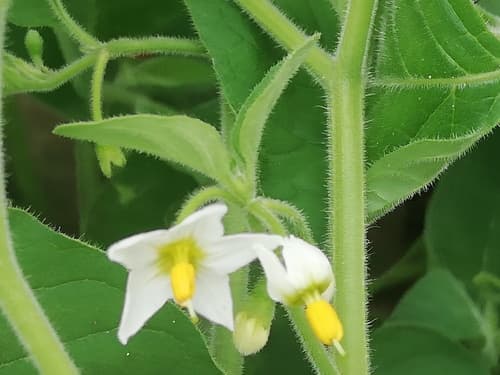
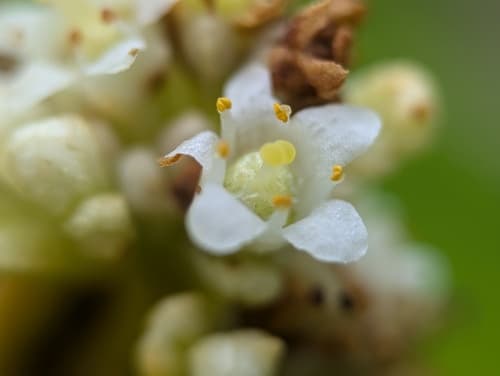
Cuscuta saururi is a parasitic annual vine characterized by its slender, leafless, yellowish-orange to reddish stems that twine around host plants. It produces small, white to yellowish, bell-shaped flowers in dense clusters, as seen in the image, with prominent stamens.