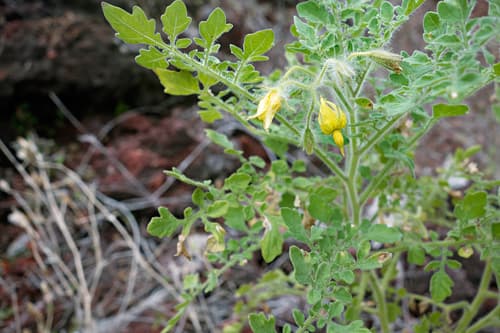
Solanum galapagense
NameSolanum galapagense
Scientific NameSolanum galapagense
Common NamesGalapagos Tomato, Galapagos Wild Tomato
Plant FamilySolanaceae
Natural HabitatEndemic to the Galápagos Islands, this species thrives in arid to semi-arid coastal zones, lava fields, and dry scrubland, often found in disturbed areas or open habitats.
Parts Usedfruit
Traditional UsesSolanum galapagense is primarily known for its small, sweet, edible fruits, which are consumed locally by both humans and wildlife. There are no widely documented traditional medicinal uses for this specific species in herbalism.
Active Constituentscarotenoids, glycoalkaloids
Contraindications & WarningsWhile the ripe fruits are edible, unripe fruits and vegetative parts of Solanum species, including S. galapagense, may contain glycoalkaloids (such as solanine) which can be toxic if ingested in significant quantities. Caution should be exercised with any part other than the fully ripe fruit.
Cultivation NotesThis species is adapted to harsh, arid conditions with volcanic soils and requires full sun. It is drought-tolerant and can tolerate saline conditions, making it a valuable genetic resource for cultivated tomatoes. Propagation is typically by seed.
Rarityuncommon
Description
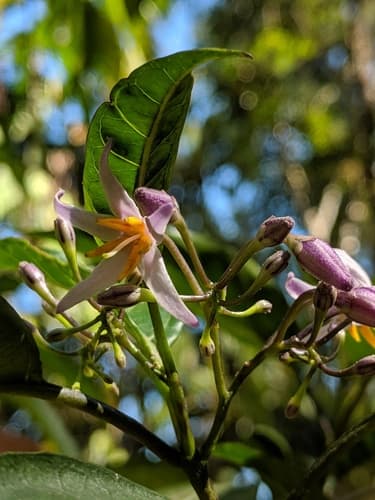
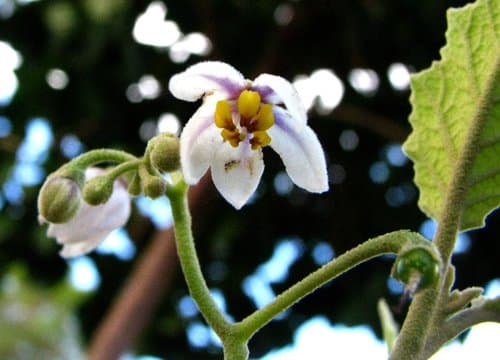
Solanum galapagense is an herbaceous perennial plant, typically growing as a sprawling shrub. It features deeply lobed, hairy green leaves and small, bright yellow, star-shaped flowers that develop into small, red, edible fruits.