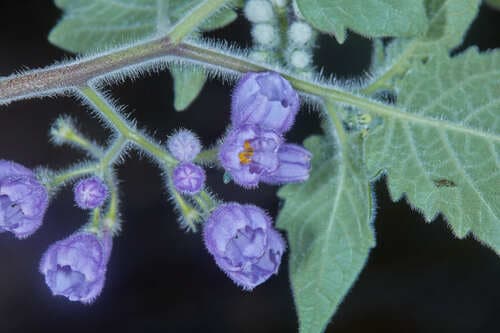
Solanum fiebrigii
NameSolanum fiebrigii
Scientific NameSolanum fiebrigii
Plant FamilySolanaceae
Natural HabitatNative to montane regions and disturbed areas of South America, particularly Bolivia and Argentina.
Parts Used
Traditional UsesTraditional medicinal uses for Solanum fiebrigii are not well-documented in general ethnobotanical literature. Many species within the Solanum genus are known to be toxic and should be used with extreme caution, if at all, for medicinal purposes.
Active ConstituentsSteroidal glycoalkaloids, Alkaloids, Flavonoids
Contraindications & WarningsAll parts of Solanum fiebrigii, like many Solanum species, are potentially toxic due to steroidal glycoalkaloids. Internal consumption should be avoided. Symptoms of toxicity can include gastrointestinal upset, nausea, vomiting, diarrhea, and neurological effects. Not recommended for pregnant or lactating women, children, or individuals with liver or kidney conditions.
Cultivation NotesPrefers full sun to partial shade and well-drained soil. Can be propagated from seed. Tolerant of various soil types but thrives in fertile conditions.
Rarityuncommon
Description
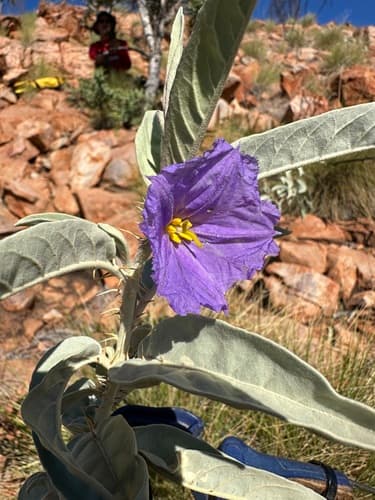
Solanum fiebrigii is an herbaceous plant characterized by densely hairy stems and leaves. It produces clusters of vibrant purple, bell-shaped flowers, each featuring prominent yellow anthers. The leaves are typically ovate with serrated margins.