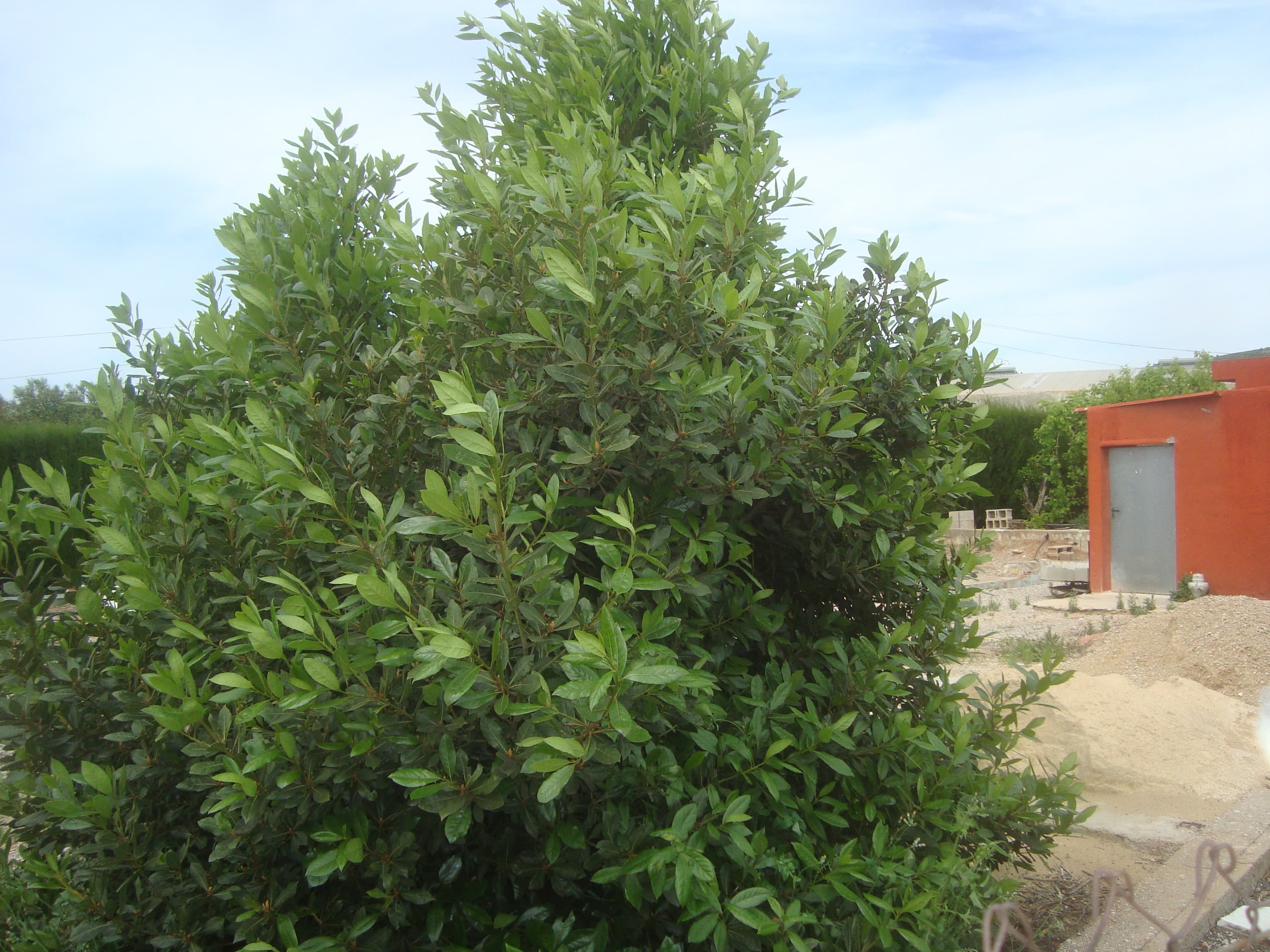
Bay Leaf
Image: Juan Emilio Prades Bel (CC BY-SA 4.0)
NameBay Leaf
Scientific NameLaurus nobilis
Common NamesBay Laurel, Sweet Bay, Laurel Tree, Roman Laurel
Plant FamilyLauraceae
Natural HabitatNative to the Mediterranean region, it thrives in warm, temperate climates, often found in coastal areas, woodlands, and maquis shrublands. It prefers well-drained soils and can tolerate a range of conditions.
Parts Usedleaf,fruit
Medicinal Actionsanalgesic, anti-inflammatory, antimicrobial, antioxidant, carminative, expectorant, nervine
Traditional UsesTraditionally, bay leaves have been used to aid digestion, relieve flatulence, and stimulate appetite. They are also employed as an expectorant for respiratory conditions like coughs and bronchitis, and topically in poultices or infused oils for muscle aches, sprains, and rheumatic pain. The plant has also been used for its mild sedative and antiseptic properties.
Active Constituents1,8-cineole, eugenol, linalool, alpha-pinene, methyl eugenol, tannins, sesquiterpenes
Preparation Methodsinfusion, decoction, tincture, poultice, essential oil, powder, salve
Contraindications & WarningsBay leaf essential oil should be used with caution and diluted, as high concentrations can be irritating or toxic. Avoid internal use of essential oil during pregnancy and breastfeeding. Individuals with allergies to plants in the Lauraceae family may experience contact dermatitis.
Cultivation NotesBay laurel prefers full sun to partial shade and well-drained soil. It is drought-tolerant once established and can be grown in containers, making it suitable for various climates. It is generally hardy but may require protection from severe frost in colder regions.
Raritycommon
Description
Laurus nobilis is an evergreen shrub or small tree, typically growing 10-18 meters tall, with smooth green bark and dense foliage. Its leaves are alternate, leathery, dark green, ovate-lanceolate, and highly aromatic when crushed. Small, pale yellow-green flowers appear in spring, followed by small, shiny black berries.