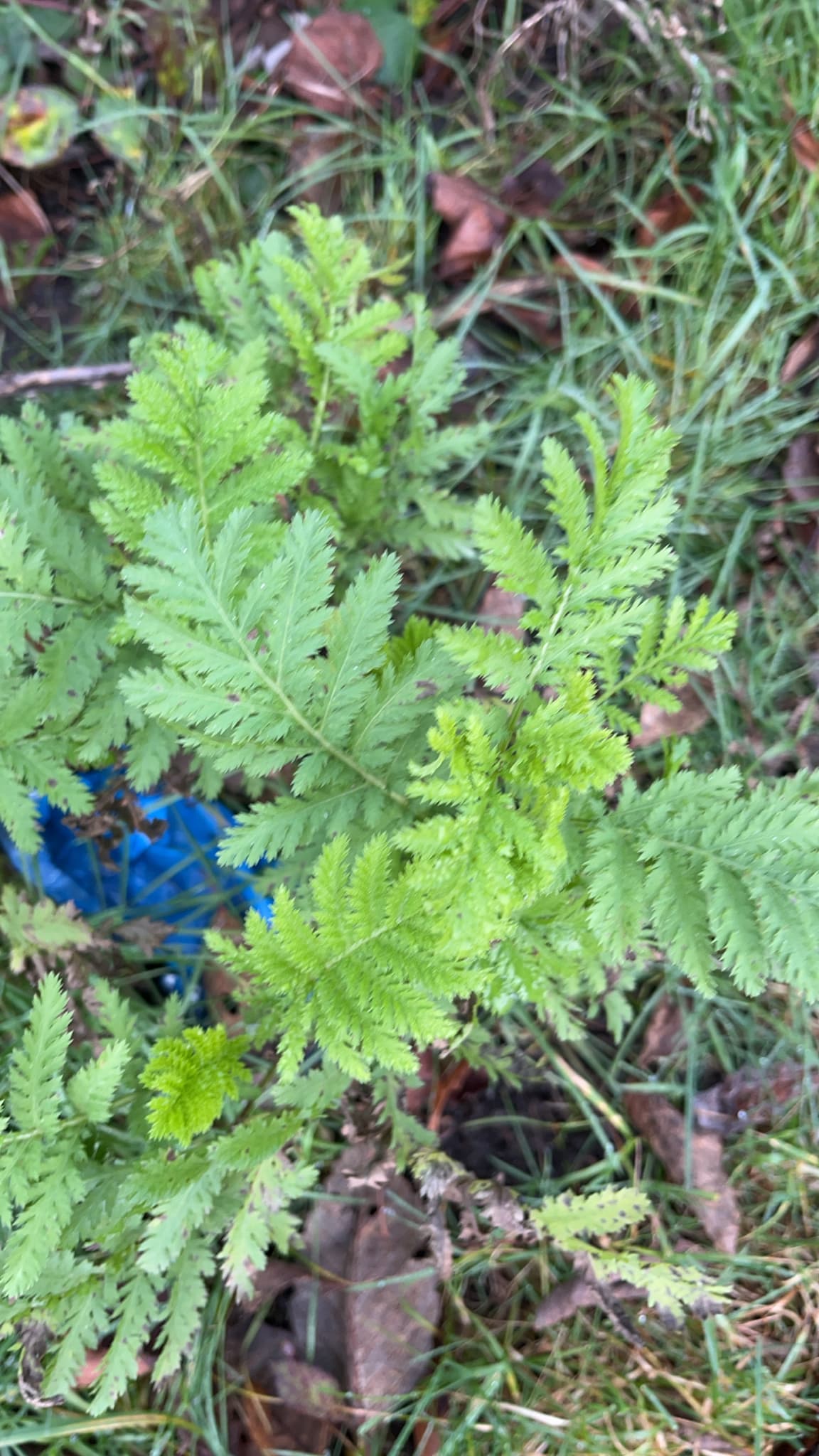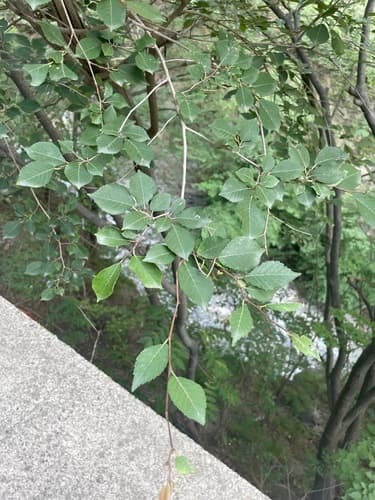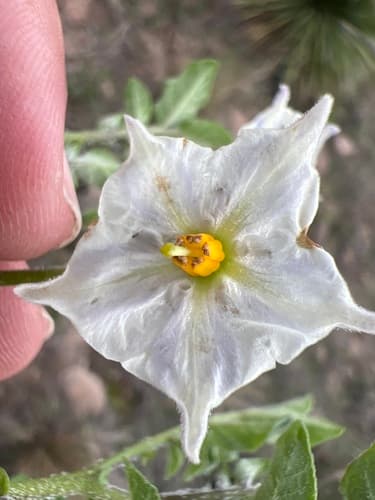
Solanum edinense
NameSolanum edinense
Scientific NameSolanum edinense
Common NamesEdinense Nightshade
Plant FamilySolanaceae
Natural HabitatNative to parts of South America, particularly Argentina and Chile, Solanum edinense thrives in disturbed areas, roadsides, agricultural fields, and open woodlands. It can also be found as an introduced weed in other regions with temperate to subtropical climates.
Parts Usedwhole_plant
Medicinal Actionsanalgesic, anti-inflammatory
Traditional UsesDue to its high toxicity from steroidal glycoalkaloids, Solanum edinense is generally not recognized for safe internal medicinal use. Some related Solanum species have been traditionally used externally in folk medicine as poultices for skin ailments, pain, or inflammation, but such applications carry significant risks and require extreme caution and expert guidance due to the plant's poisonous nature.
Active Constituentssteroidal glycoalkaloids, solanine, solasodine, chaconine
Preparation Methodspoultice, salve
Contraindications & WarningsALL parts of Solanum edinense are considered highly toxic and should not be ingested. Symptoms of poisoning include severe gastrointestinal upset (nausea, vomiting, diarrhea, abdominal pain), neurological symptoms (drowsiness, confusion, weakness, paralysis), and cardiac issues. Avoid contact with broken skin. Pregnant or nursing women, children, and individuals with liver or kidney conditions should strictly avoid any contact or use. There are no known safe internal medicinal uses.
Cultivation NotesSolanum edinense is often considered a weed due to its hardy and invasive nature. It is drought-tolerant and can grow in poor, disturbed soils. It propagates readily by seed and rhizomes, making it difficult to eradicate once established. It prefers full sun to partial shade.
Raritycommon
Description
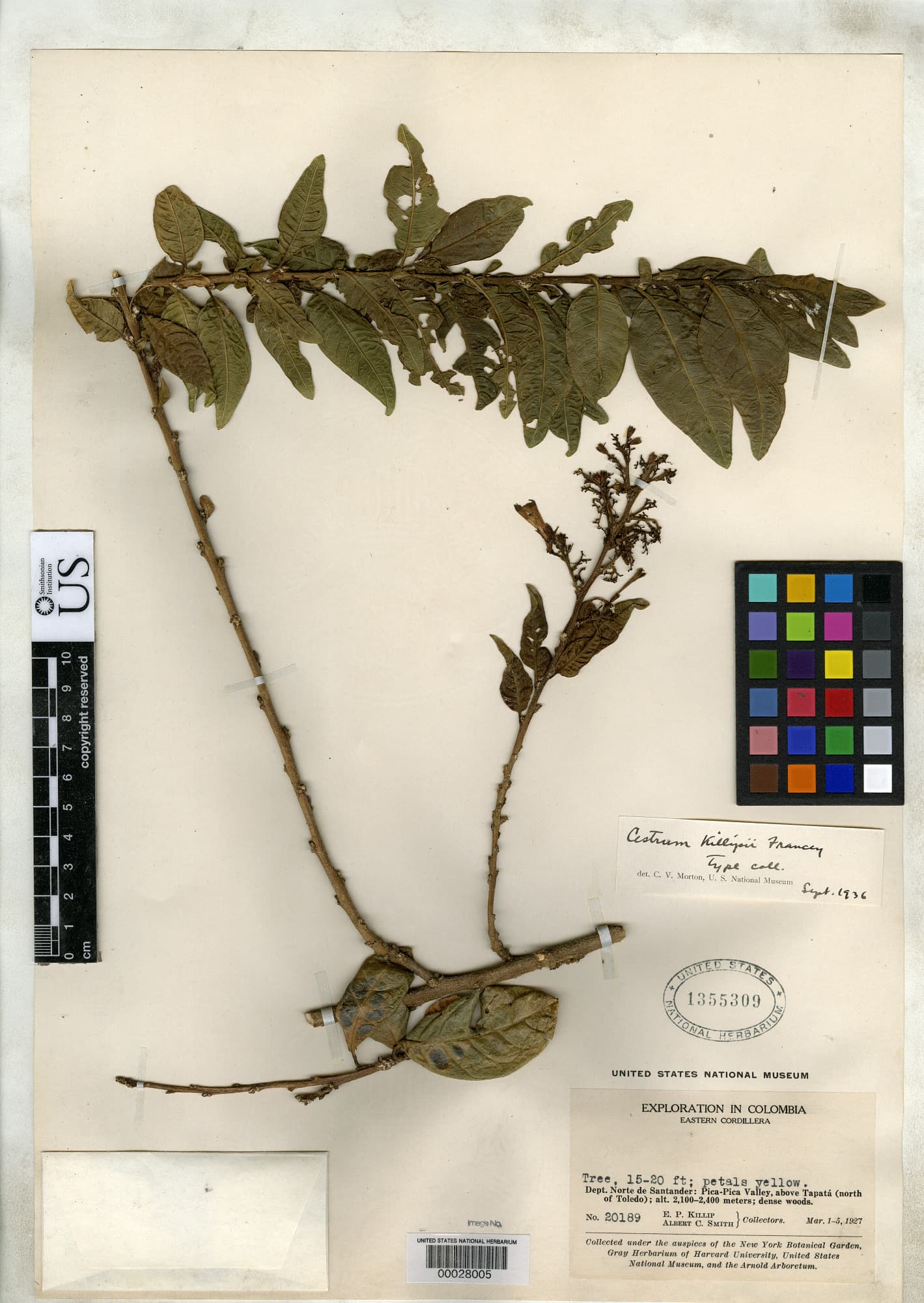
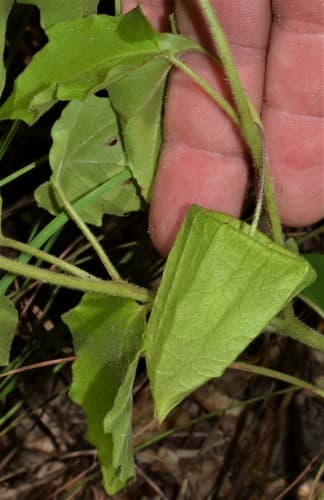
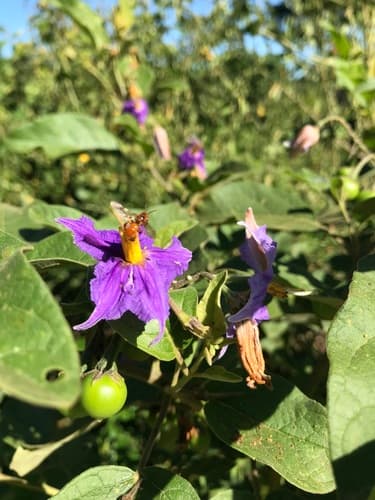
Solanum edinense is a perennial herb or subshrub characterized by its star-shaped white to pale violet flowers with prominent yellow anthers, typical of the Solanum genus. The plant often has hairy or silvery foliage and can produce berries, which are typically green ripening to yellow or orange. It is known for containing toxic steroidal glycoalkaloids.