Physalis macrosperma
NamePhysalis macrosperma
Scientific NamePhysalis macrosperma
Common NamesLarge-seeded Groundcherry, Groundcherry
Plant FamilySolanaceae
Natural HabitatTypically found in open woodlands, disturbed areas, fields, and roadsides, often in moist to mesic soils. Native to parts of North America.
Parts Usedfruit,leaf
Medicinal Actionsanti-inflammatory, antioxidant, diuretic
Traditional UsesTraditionally, ripe fruits of Physalis species have been consumed for their nutritional value and mild diuretic effects. Some traditional medicine systems have used parts of the plant for anti-inflammatory purposes and to treat fevers, though caution is advised with unripe fruits and other plant parts.
Active ConstituentsPhysalins, Flavonoids, Carotenoids, Vitamin C
Preparation Methodsinfusion, powder
Contraindications & WarningsUnripe fruits are toxic due to solanine-like alkaloids; only ripe fruits should be consumed. Avoid during pregnancy and breastfeeding. Individuals with nightshade allergies should exercise caution.
Cultivation NotesThis herbaceous perennial prefers full sun to partial shade and well-drained soil. It can be propagated by seed and often self-seeds, thriving in disturbed areas.
Raritycommon
Description
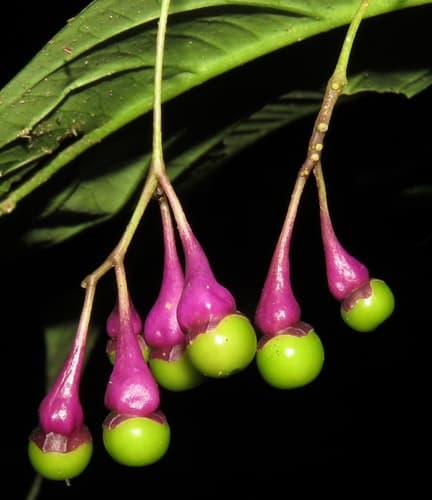
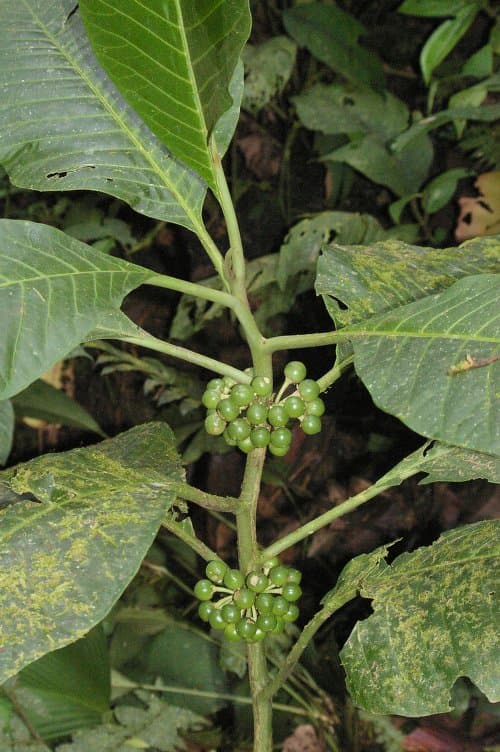
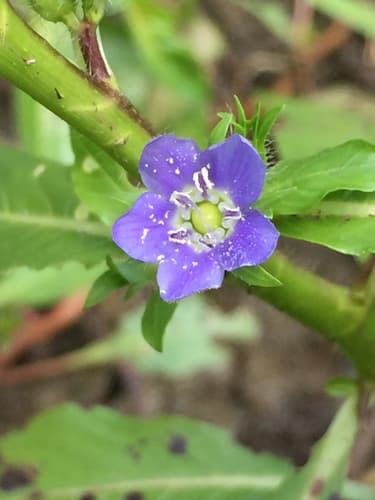
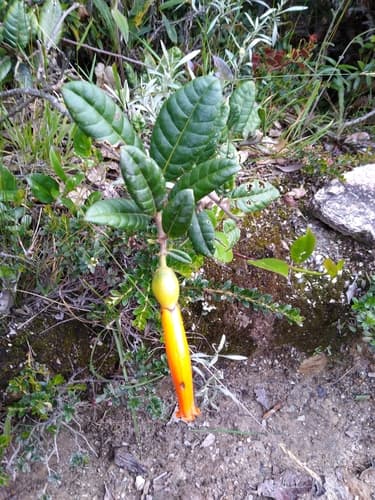
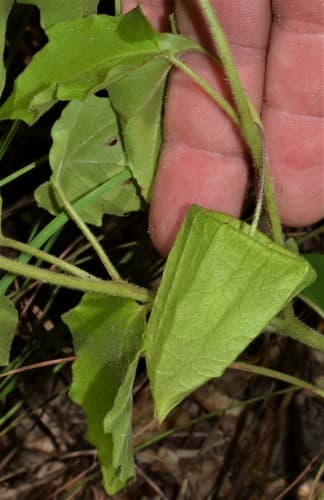
Physalis macrosperma is an herbaceous perennial plant characterized by its ovate to cordate leaves, often with slightly toothed margins, and hairy stems. It produces characteristic lantern-like calyces that enclose the fruit, a berry.