Tansy
Image: pekoe5 (cc-by-nc)
NameTansy
Scientific NameTanacetum vulgare
Common NamesCommon Tansy, Garden Tansy, Golden Buttons, Cow Bitter
Plant FamilyAsteraceae
Natural HabitatNative to temperate Europe and Asia, Tansy is now widely naturalized in North America. It thrives in disturbed soils, roadsides, fields, waste ground, and along riverbanks, often forming dense colonies.
Parts Usedleaf,flower,whole_plant
Medicinal Actionsanalgesic, anti-inflammatory, antimicrobial
Traditional UsesHistorically, Tansy was primarily used as an anthelmintic to expel intestinal worms, an emmenagogue to induce menstruation, and as an insect repellent. Topically, it was applied as a poultice for bruises, sprains, and scabies. Due to its toxicity, internal use is largely abandoned in modern herbalism.
Active ConstituentsThujone, Camphor, Borneol, Pinene
Preparation Methodsinfusion, decoction, poultice, essential oil, powder
Contraindications & WarningsTansy is highly toxic due to the presence of thujone and should not be taken internally. Ingestion can cause severe liver damage, convulsions, vomiting, uterine contractions, and can be fatal. It is a known abortifacient and must be avoided by pregnant or breastfeeding women, children, and individuals with liver or kidney disease, or epilepsy. Skin contact can cause dermatitis in sensitive individuals.
Cultivation NotesTansy is easy to grow and can become invasive. It prefers full sun to partial shade and well-drained soil, tolerating a range of soil types and drought conditions once established. It is often grown for its insect-repelling properties in gardens.
Raritycommon
Description
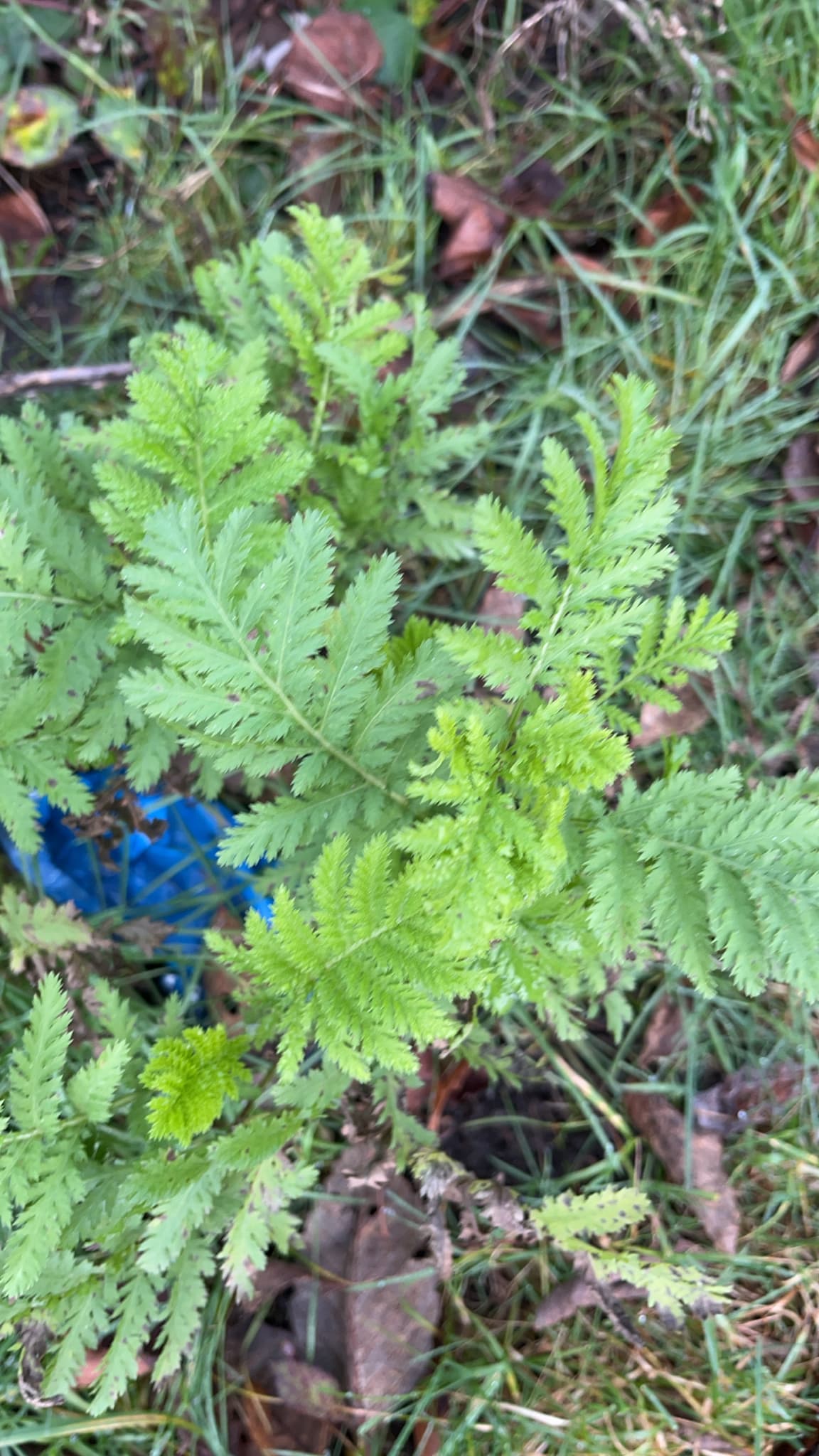
Tansy is a perennial herbaceous plant characterized by its deeply dissected, fern-like leaves, which are aromatic when crushed. It typically grows tall, producing clusters of button-like, yellow flowers in late summer, though flowers are not visible in this image.