Solanum echegarayi
NameSolanum echegarayi
Scientific NameSolanum echegarayi
Plant FamilySolanaceae
Natural HabitatNative to arid and semi-arid regions of South America, particularly Argentina and Chile, often found in rocky or sandy soils.
Parts Usedleaf,flower
Medicinal Actionsanti-inflammatory, analgesic
Traditional UsesWhile specific traditional medicinal uses for *Solanum echegarayi* are not widely documented, other species within the *Solanum* genus have been traditionally used for their anti-inflammatory and analgesic properties, often applied topically for skin ailments or pain relief. However, caution is advised due to potential toxicity.
Active ConstituentsGlycoalkaloids
Preparation Methodspoultice, infusion
Contraindications & WarningsAll parts of *Solanum echegarayi* are likely toxic due to the presence of glycoalkaloids. Ingestion can cause severe gastrointestinal upset, neurological symptoms, and can be fatal. External use should also be approached with extreme caution due to potential skin irritation or absorption. Not recommended for internal use.
Cultivation NotesPrefers full sun and well-drained, rocky or sandy soils. Drought-tolerant once established. Suitable for xeriscaping in appropriate climates.
Rarityuncommon
Description
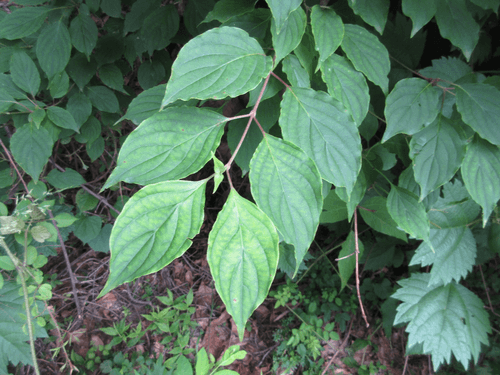
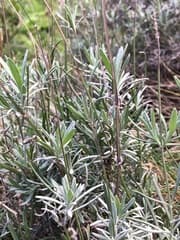
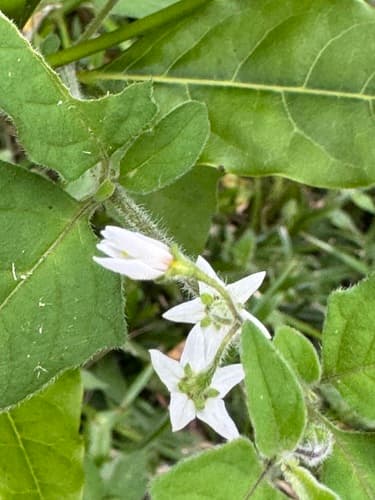
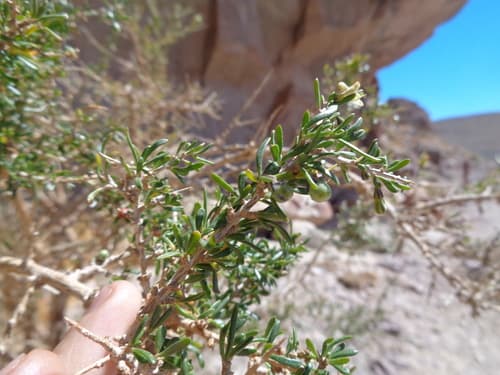
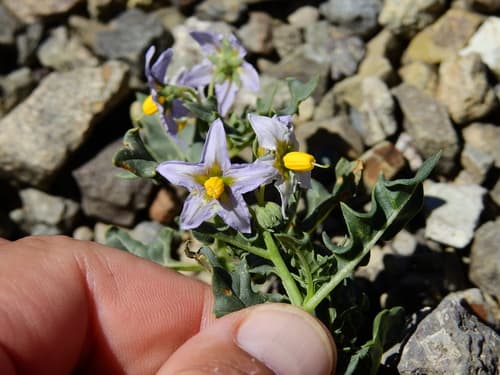
A perennial herb or subshrub characterized by its star-shaped, pale lavender to purple flowers with prominent yellow anthers. Its leaves are typically lobed or sinuate, growing in arid, rocky environments.