Lungwort
Image: lausc2 (cc-by-nc)
NameLungwort
Scientific NamePulmonaria officinalis
Common NamesLungwort, Common Lungwort, Spotted Lungwort, Jerusalem Cowslip, Bethlehem Sage
Plant FamilyBoraginaceae
Natural HabitatNative to Europe and parts of Asia, it thrives in moist, shady woodlands, deciduous forests, and hedgerows. It prefers rich, well-drained soil.
Parts Usedleaf,flower
Medicinal Actionsanti-inflammatory, demulcent, expectorant, astringent, antioxidant
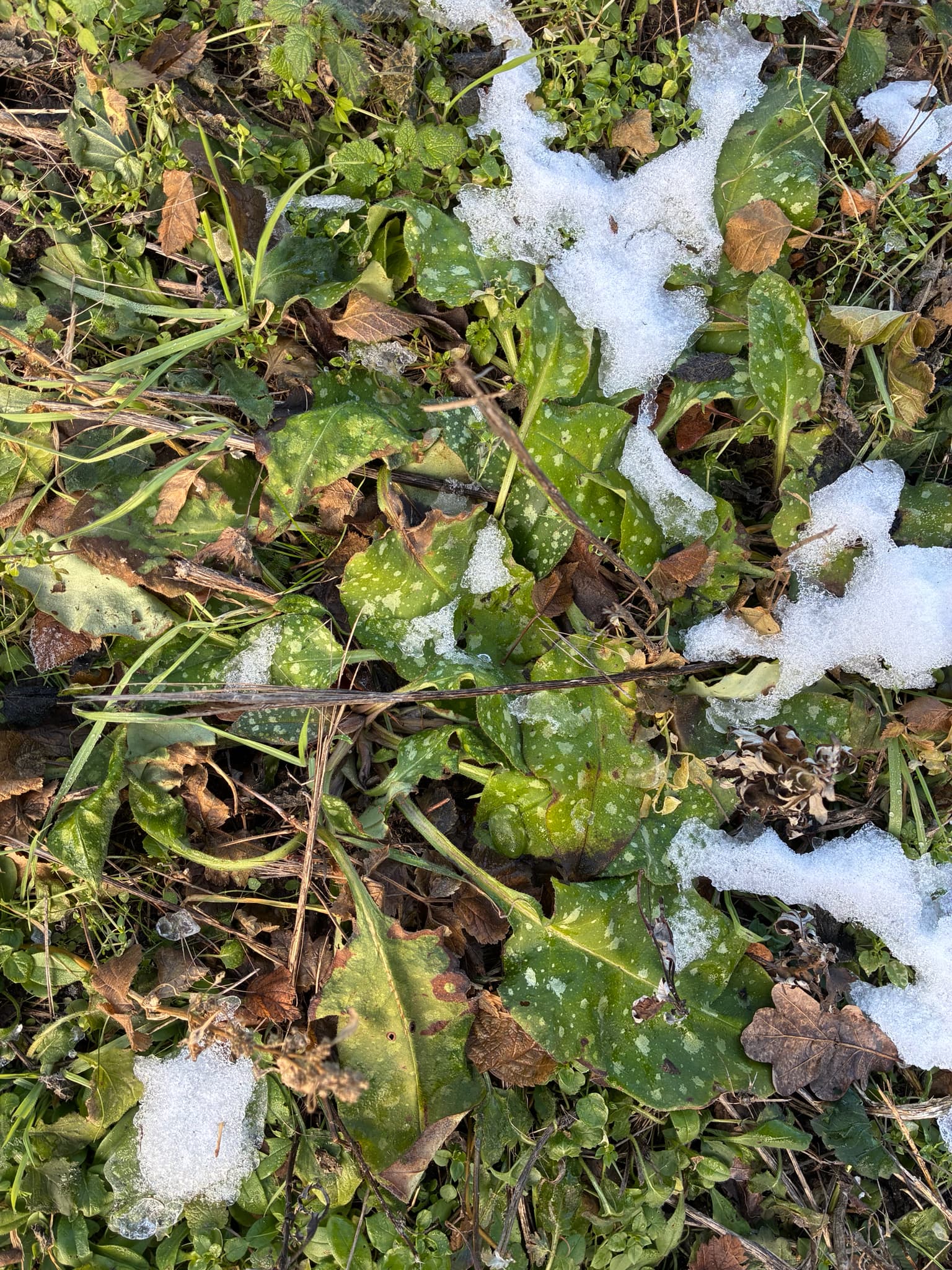
Traditional UsesTraditionally used for respiratory ailments such as coughs, bronchitis, and asthma, due to its expectorant and demulcent properties. It was also used for its astringent qualities to treat wounds and diarrhea, and for kidney and bladder issues. The spotted leaves were thought to resemble diseased lungs, leading to its use based on the Doctrine of Signatures.
Active ConstituentsMucilage, Tannins, Saponins, Flavonoids, Allantoin, Silicic acid
Preparation Methodsinfusion, decoction, tincture, poultice, powder
Contraindications & WarningsGenerally considered safe, but large doses may cause mild gastrointestinal upset. Due to tannin content, prolonged use or very high doses might theoretically interfere with nutrient absorption. Pregnant and breastfeeding women should consult a healthcare professional.
Cultivation NotesPrefers partial to full shade and consistently moist, humus-rich soil. It is a hardy plant, tolerant of cold, and can be propagated by seed or division. Ideal for woodland gardens or shady borders.
Raritycommon
Description
Pulmonaria officinalis is a low-growing perennial herb characterized by its distinctive dark green, often white-spotted leaves, which are typically ovate to lanceolate. It produces bell-shaped flowers that change color from pink to blue as they mature, though flowers are not visible in the image. The plant forms rosettes of basal leaves and can be found in early spring, sometimes even peeking through snow.