Lavender
NameLavender
Scientific NameLavandula angustifolia
Common NamesLavender, English Lavender, True Lavender, Common Lavender
Plant FamilyLamiaceae
Natural HabitatNative to the Mediterranean region, lavender thrives in dry, rocky, and sandy soils, often found on hillsides and in open, sunny areas. It is widely cultivated globally in temperate climates.
Parts Usedflower,leaf
Medicinal Actionsnervine, sedative, anti-inflammatory, antimicrobial, analgesic, antioxidant
Traditional UsesTraditionally used for its calming and soothing properties, lavender is employed to alleviate anxiety, promote sleep, and reduce stress. It is also applied topically for minor burns, insect bites, headaches, and muscle aches due to its anti-inflammatory and analgesic effects.
Active ConstituentsLinalool, Linalyl acetate, Camphor, 1,8-cineole, Terpinen-4-ol
Preparation Methodsinfusion, essential oil, tincture, poultice, salve
Contraindications & WarningsLavender essential oil should be diluted before topical application to avoid skin irritation. Oral consumption of large amounts is not recommended during pregnancy or lactation. It may interact with sedative medications, increasing their effects.
Cultivation NotesLavender prefers full sun and well-drained, alkaline to neutral soil. It is drought-tolerant once established and benefits from pruning after flowering to maintain shape and promote new growth. Avoid overwatering, especially in humid climates.
Raritycommon
Description
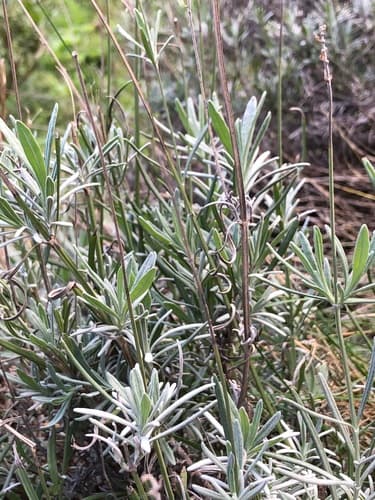
Lavender is an aromatic perennial shrub characterized by its narrow, silvery-green leaves and slender, erect stems topped with spikes of small, fragrant purple flowers. The plant typically forms a compact bush, thriving in sunny, well-drained conditions.