Solanum dimorphandrum
NameSolanum dimorphandrum
Scientific NameSolanum dimorphandrum
Plant FamilySolanaceae
Natural HabitatNative to South America, particularly Brazil, where it thrives in the savanna-like ecosystems of the Cerrado biome. It prefers well-drained soils and sunny, open locations.
Parts Usedleaf,fruit
Medicinal Actionsanti-inflammatory, antioxidant, diuretic
Traditional UsesTraditionally used in some regions of Brazil for digestive complaints, liver disorders, and as a general tonic. It is also recognized for its potential anti-inflammatory properties.
Active Constituentssteroidal glycoalkaloids, flavonoids, phenolic compounds
Preparation Methodsinfusion, decoction, tincture
Contraindications & WarningsDue to the presence of glycoalkaloids, consumption in large quantities can be toxic. Avoid during pregnancy and lactation, and by individuals with allergies to the Solanaceae family. Unripe fruits may be particularly toxic.
Cultivation NotesPrefers full sun and well-drained, slightly acidic to neutral soil. It is adapted to tropical and subtropical climates and can tolerate periods of drought once established.
Rarityuncommon
Description
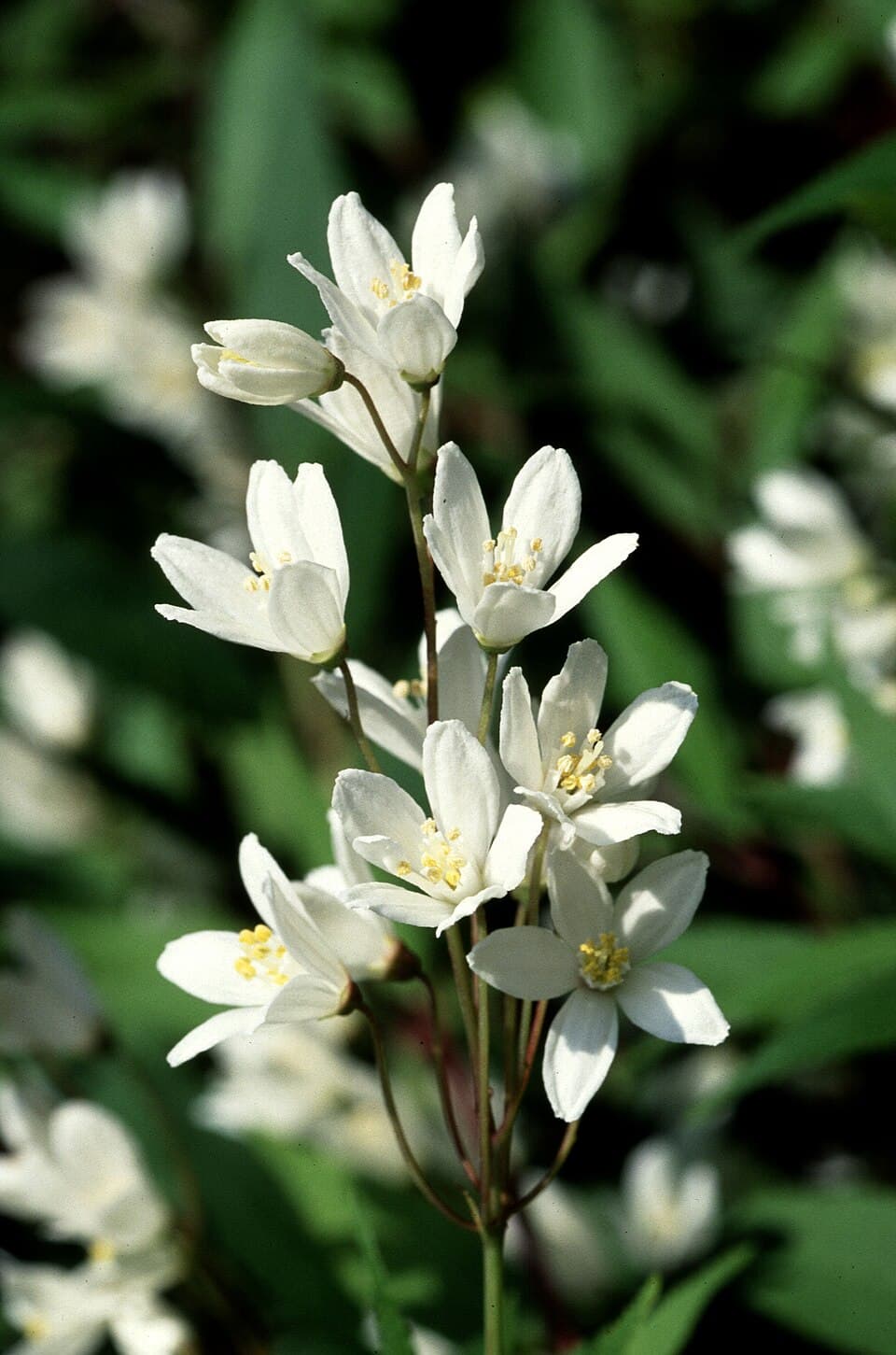
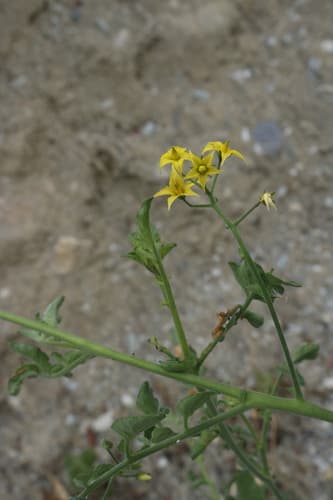
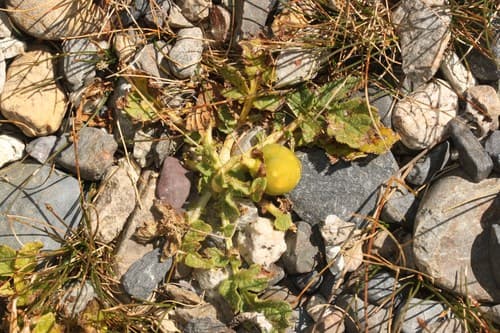
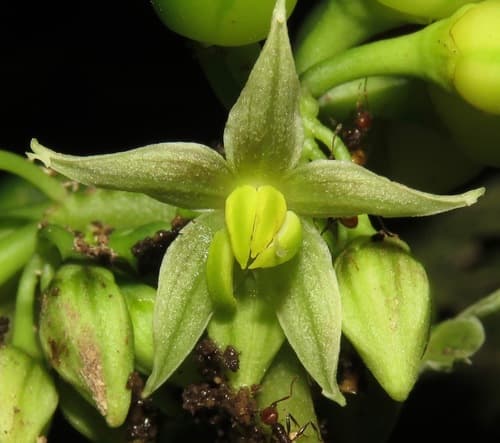
Solanum dimorphandrum is a shrub or small tree, typically growing up to 3 meters tall, characterized by its often lobed or deeply incised leaves. It produces greenish-white to yellow, star-shaped flowers with prominent yellow anthers, which develop into green berries.