Solanum neorickii
NameSolanum neorickii
Scientific NameSolanum neorickii
Common NamesWild Tomato, Rick's Tomato
Plant FamilySolanaceae
Natural HabitatNative to the arid and semi-arid coastal regions and inter-Andean valleys of Peru, often found in disturbed areas, rocky slopes, and sandy soils. It is adapted to dry conditions.
Parts Usedfruit,whole_plant
Medicinal Actionsantioxidant, anti-inflammatory
Traditional UsesSolanum neorickii is primarily valued as a genetic resource for improving cultivated tomatoes, contributing traits like disease resistance and stress tolerance. It is not widely known or traditionally used for direct medicinal purposes due to its wild nature and the presence of potentially toxic glycoalkaloids.
Active ConstituentsGlycoalkaloids (e.g., tomatine), flavonoids, carotenoids, phenolic compounds
Preparation Methodsinfusion, powder
Contraindications & WarningsAll parts of Solanum neorickii, especially unripe fruits and foliage, contain glycoalkaloids (like tomatine) which can be toxic if ingested in sufficient quantities. Symptoms of poisoning can include gastrointestinal upset, neurological effects, and in severe cases, cardiac issues. Not recommended for internal consumption.
Cultivation NotesPrefers warm, sunny conditions and well-drained, sandy or rocky soils. It is drought-tolerant and can be grown from seed. Primarily cultivated in research settings for genetic studies rather than general horticulture.
Rarityuncommon
Description
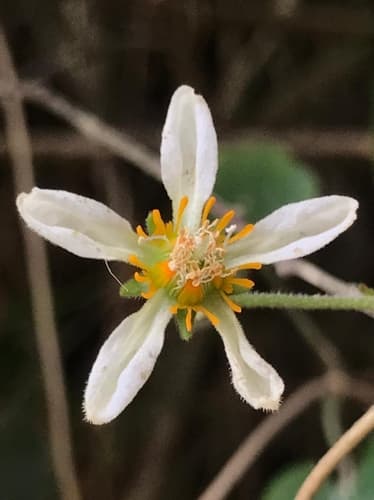
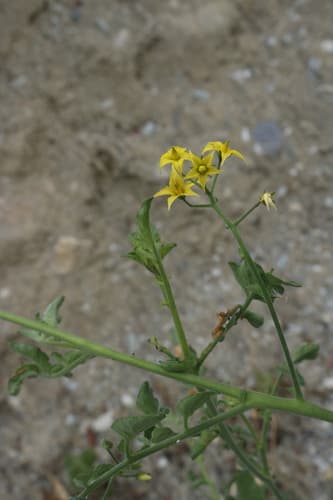
Solanum neorickii is a herbaceous wild tomato species, typically sprawling or semi-erect, characterized by its deeply lobed green leaves. It produces clusters of small, star-shaped yellow flowers that develop into small, green, berry-like fruits.