Solanum albicans
NameSolanum albicans
Scientific NameSolanum albicans
Common NamesWhite Nightshade, Hairy Nightshade
Plant FamilySolanaceae
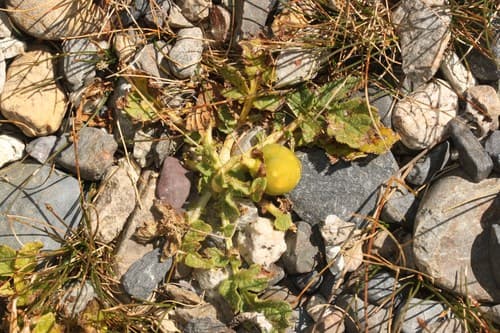
Natural HabitatThis species is commonly found in disturbed areas, roadsides, and open ground, often thriving in rocky or gravelly soils and dry conditions.
Parts Usedleaf,fruit
Medicinal Actionsanti-inflammatory, analgesic, antimicrobial
Traditional UsesTraditional medicinal uses for Solanum albicans are poorly documented and should be approached with extreme caution due to its toxicity. Historically, some Solanum species have been used externally in poultices for skin ailments, wounds, or to alleviate pain and inflammation.
Active Constituentssteroidal glycoalkaloids (e.g., solanine, solamargine, solasonine)
Preparation Methodspoultice, salve
Contraindications & WarningsAll parts of Solanum albicans are considered toxic, especially unripe fruits and leaves, due to the presence of steroidal glycoalkaloids. Ingestion can cause severe gastrointestinal upset, neurological symptoms, and can be fatal. It is strictly contraindicated for internal use, during pregnancy, lactation, and for children.
Cultivation NotesOften considered a weed, Solanum albicans is relatively easy to grow in disturbed soils. It prefers full sun to partial shade and tolerates dry conditions, making it adaptable to various poor soil types.
Rarityuncommon
Description
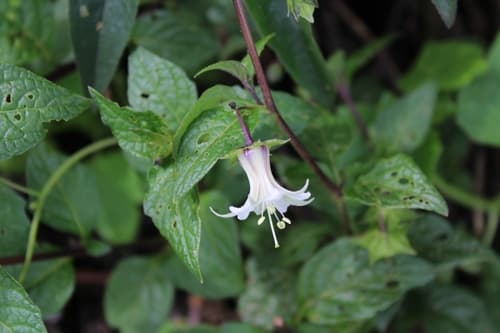
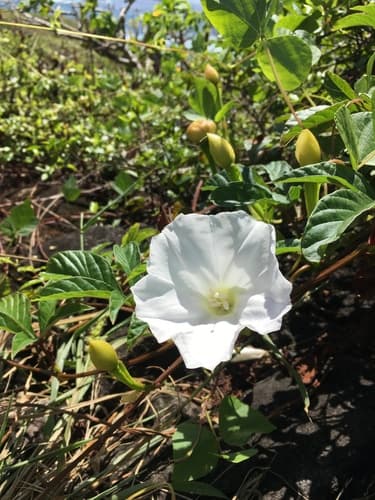
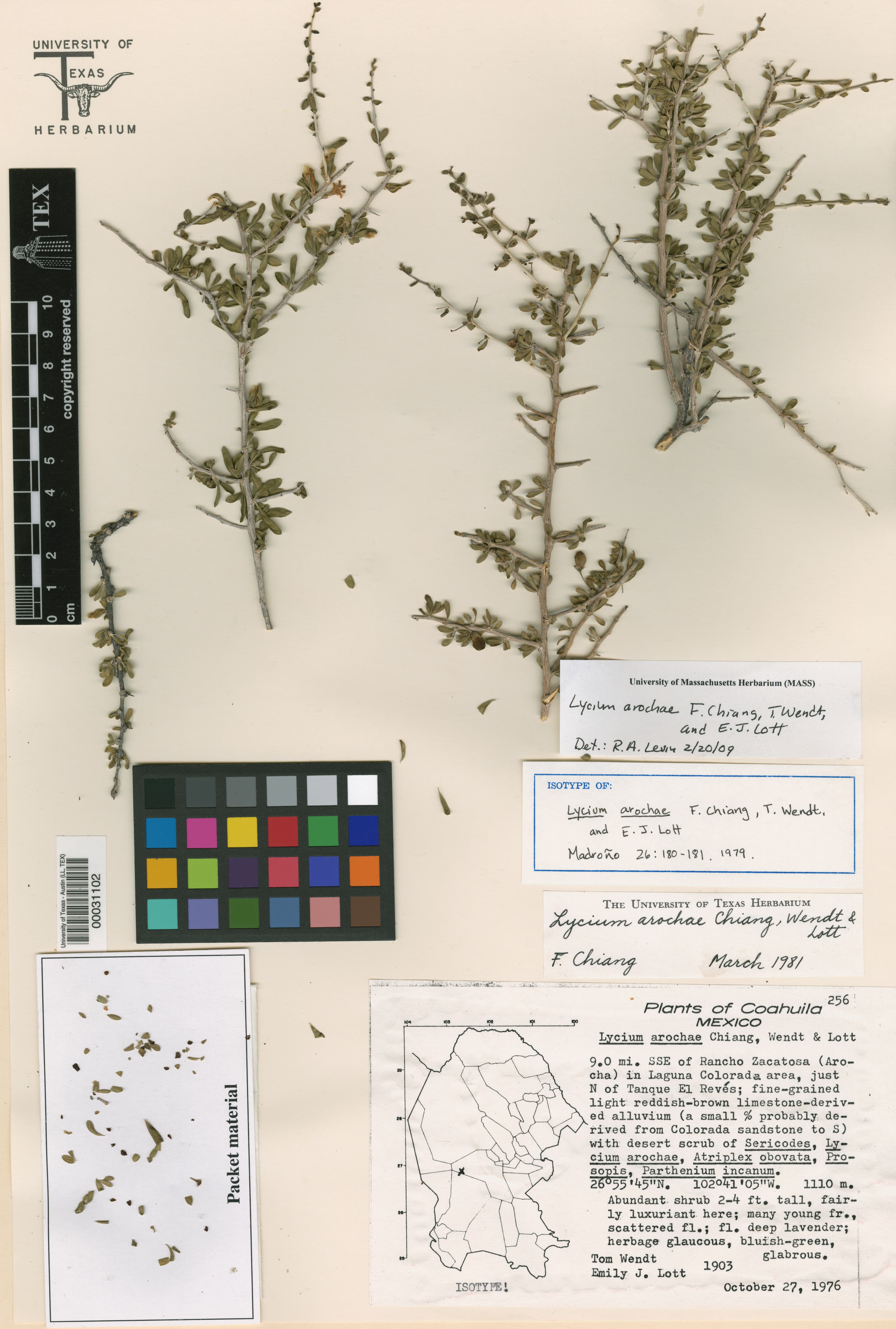
Solanum albicans is a low-growing herbaceous plant, often sprawling, characterized by its lobed or toothed leaves. It produces small, round, berry-like fruits that are typically yellow when ripe, as seen in the image.