Solanum dillonii
NameSolanum dillonii
Scientific NameSolanum dillonii
Common NamesDillon's Nightshade
Plant FamilySolanaceae
Natural HabitatNative to dry and semi-arid regions of South America, particularly found in disturbed areas, grasslands, and open woodlands in countries like Argentina, Bolivia, and Paraguay.
Parts Used
Traditional UsesThere are no widely documented safe traditional medicinal uses for Solanum dillonii. Many Solanum species are known for their toxicity, especially their unripe fruits, and should not be consumed.
Active ConstituentsSteroidal glycoalkaloids (e.g., solasodine, solamargine, solasonine)
Contraindications & WarningsAll parts of Solanum dillonii, especially the unripe fruits, are considered toxic due to the presence of steroidal glycoalkaloids. Ingestion can cause severe gastrointestinal upset, neurological symptoms, and can be fatal. Avoid consumption by humans and animals.
Cultivation NotesThis species is generally hardy and adaptable to dry conditions, preferring full sun and well-drained soil. It can be propagated by seed.
Rarityuncommon
Description
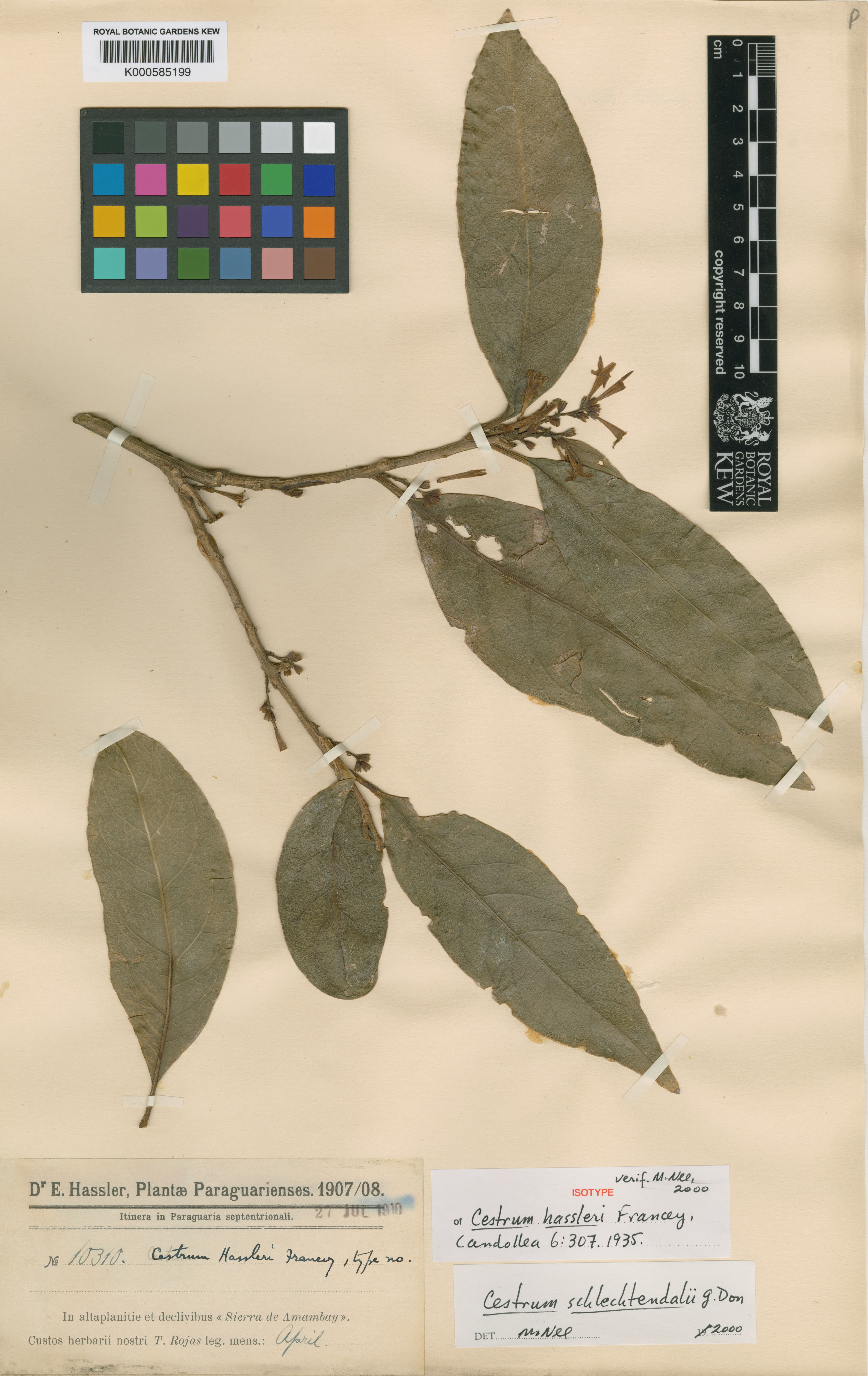
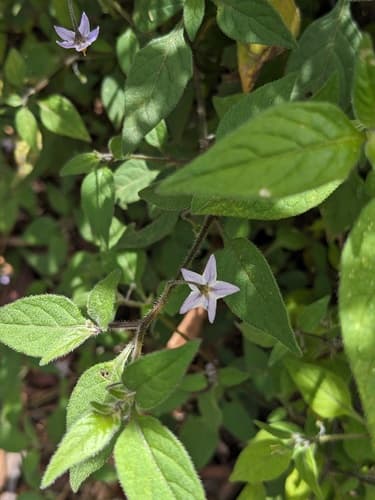
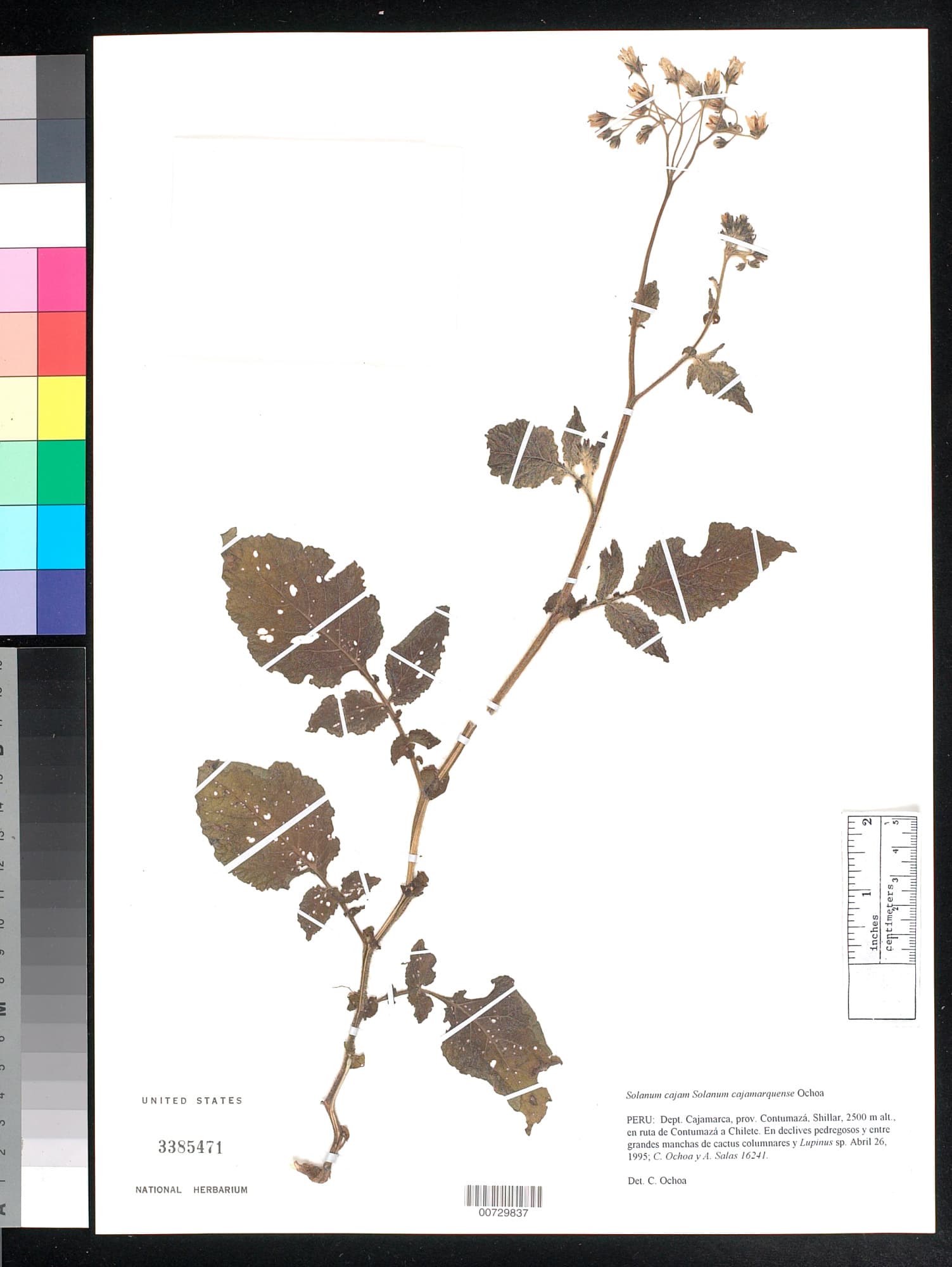
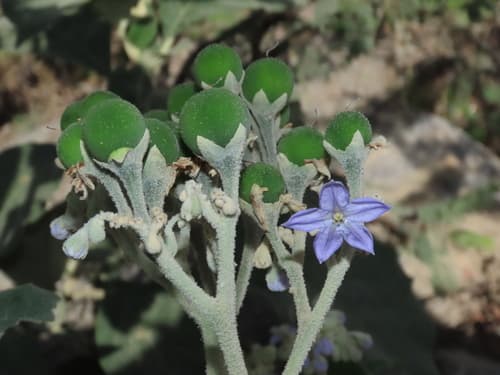
This plant features hairy stems and calyces, producing clusters of small, spherical green berries. Its flowers are typically five-petaled and star-shaped, often appearing in shades of purple or blue.