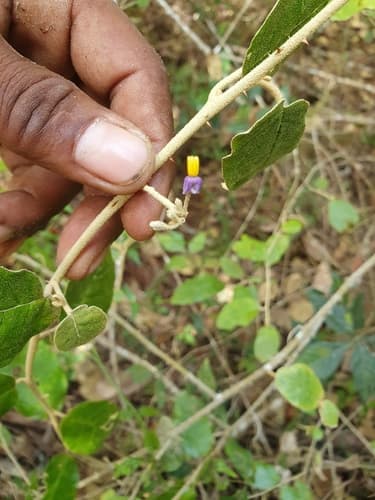
Solanum crotonoides
NameSolanum crotonoides
Scientific NameSolanum crotonoides
Common NamesThorny Nightshade
Plant FamilySolanaceae
Natural HabitatNative to tropical and subtropical regions, often found in dry deciduous forests, scrublands, and disturbed areas, particularly in parts of Africa (e.g., Madagascar) and Asia.
Parts Usedleaf,root
Medicinal Actionsanti-inflammatory, analgesic, antimicrobial
Traditional UsesTraditionally, in regions like Madagascar, the leaves and roots of Solanum crotonoides are used in folk medicine. Preparations are applied topically for skin diseases and used internally (with extreme caution) for fever and and pain relief.
Active Constituentssteroidal glycoalkaloids
Preparation Methodspoultice, decoction
Contraindications & WarningsDue to the presence of steroidal glycoalkaloids, all parts of the plant should be considered potentially toxic. Internal use is highly discouraged without expert guidance. Contraindicated in pregnancy, lactation, and for individuals with liver or kidney conditions.
Cultivation NotesThis species thrives in warm, tropical to subtropical climates with well-drained soil and prefers full sun to partial shade. It can be propagated from seeds.
Raritycommon
Description
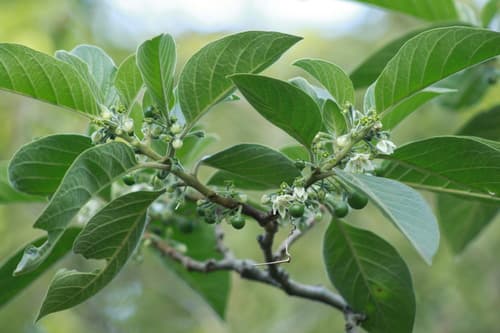
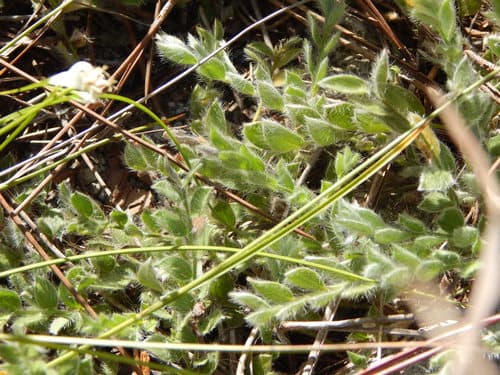
Solanum crotonoides is a thorny shrub or small tree characterized by its prickly stems and ovate, often hairy leaves. It produces small, star-shaped flowers with purple petals and prominent yellow anthers, typical of the Solanum genus.