tabacon aspero
Nametabacon aspero
Scientific NameSolanum asperum
Common NamesTabacón aspero, Wild Tobacco
Plant FamilySolanaceae
Natural HabitatNative to tropical and subtropical regions of Central and South America, *Solanum asperum* thrives in disturbed areas, forest edges, clearings, and secondary forests. It is often found in humid environments at various elevations.
Parts Usedleaf,fruit
Medicinal Actionsanalgesic, anti-inflammatory, antimicrobial, antioxidant
Traditional UsesTraditionally, the leaves of tabacón aspero are used topically as poultices for treating skin inflammations, wounds, bruises, and to alleviate localized pain, including rheumatic discomfort. Infusions or decoctions of the leaves have been used internally in some folk medicine systems for fevers, colds, and as a general tonic, though internal use requires caution due to potential toxicity.
Active Constituentssteroidal alkaloids (e.g., solasodine, solamargine), flavonoids, phenolic compounds, saponins
Preparation Methodsinfusion, decoction, poultice
Contraindications & WarningsAs a member of the Solanaceae family, *Solanum asperum* contains steroidal alkaloids that can be toxic if ingested in large quantities. Internal use should be approached with extreme caution and only under the guidance of a qualified herbalist or healthcare professional. Pregnant and breastfeeding women, and individuals with liver or kidney conditions, should avoid internal use. Topical application may cause skin irritation in sensitive individuals.
Cultivation NotesThis plant prefers tropical and subtropical climates, thriving in full sun to partial shade. It requires well-drained soil and consistent moisture. Propagation can be achieved through seeds or stem cuttings. It is a relatively fast-growing species, often colonizing disturbed areas.
Raritycommon
Description
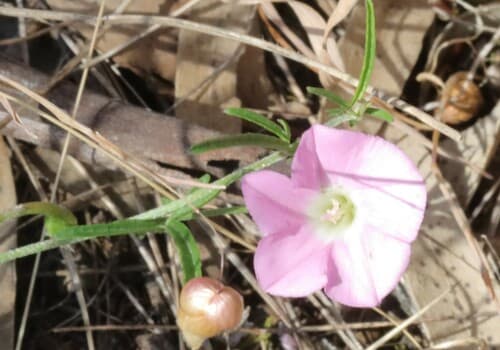
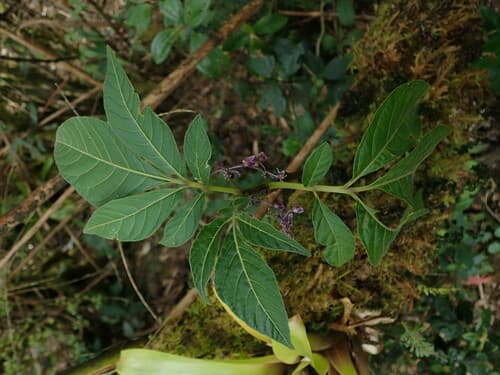
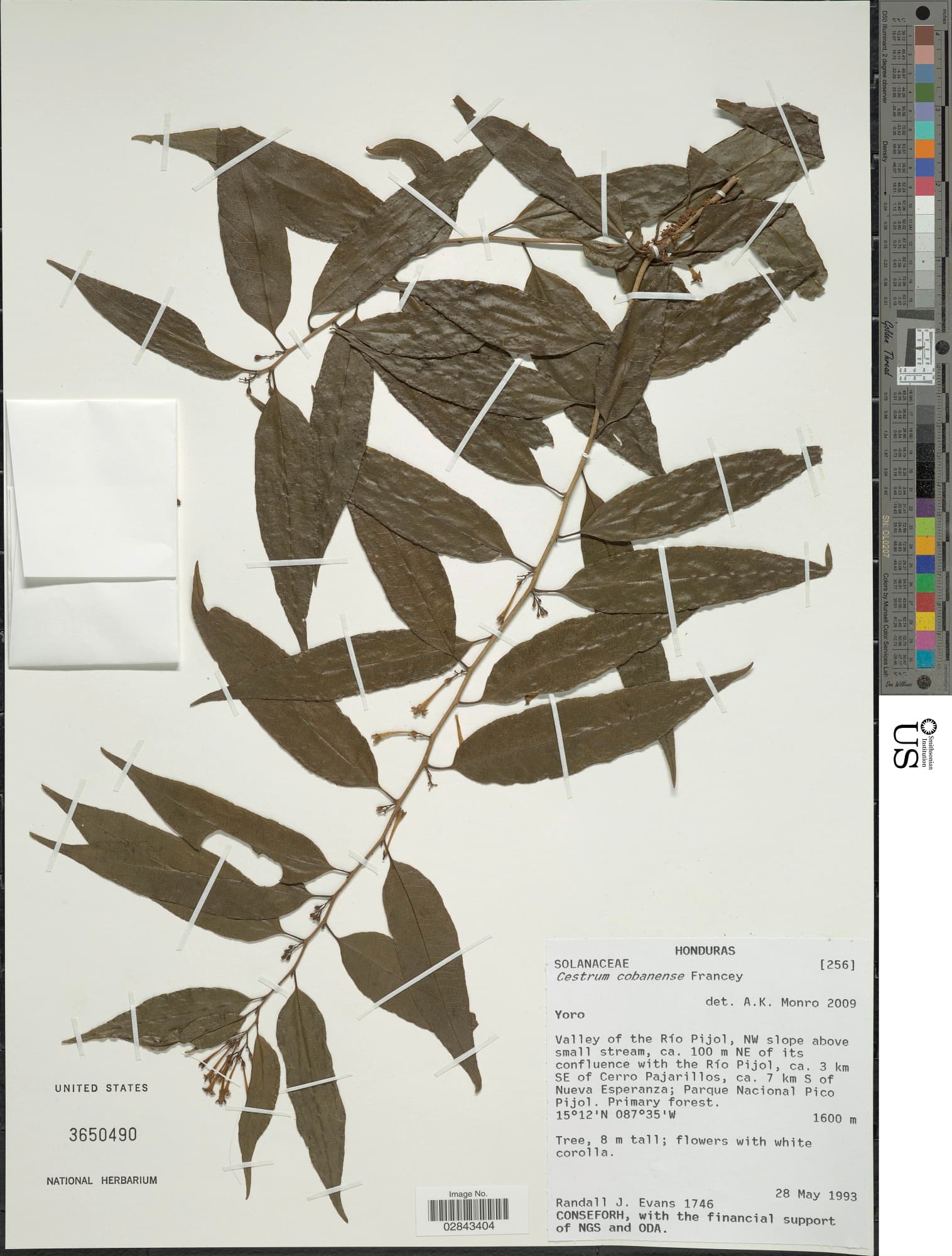
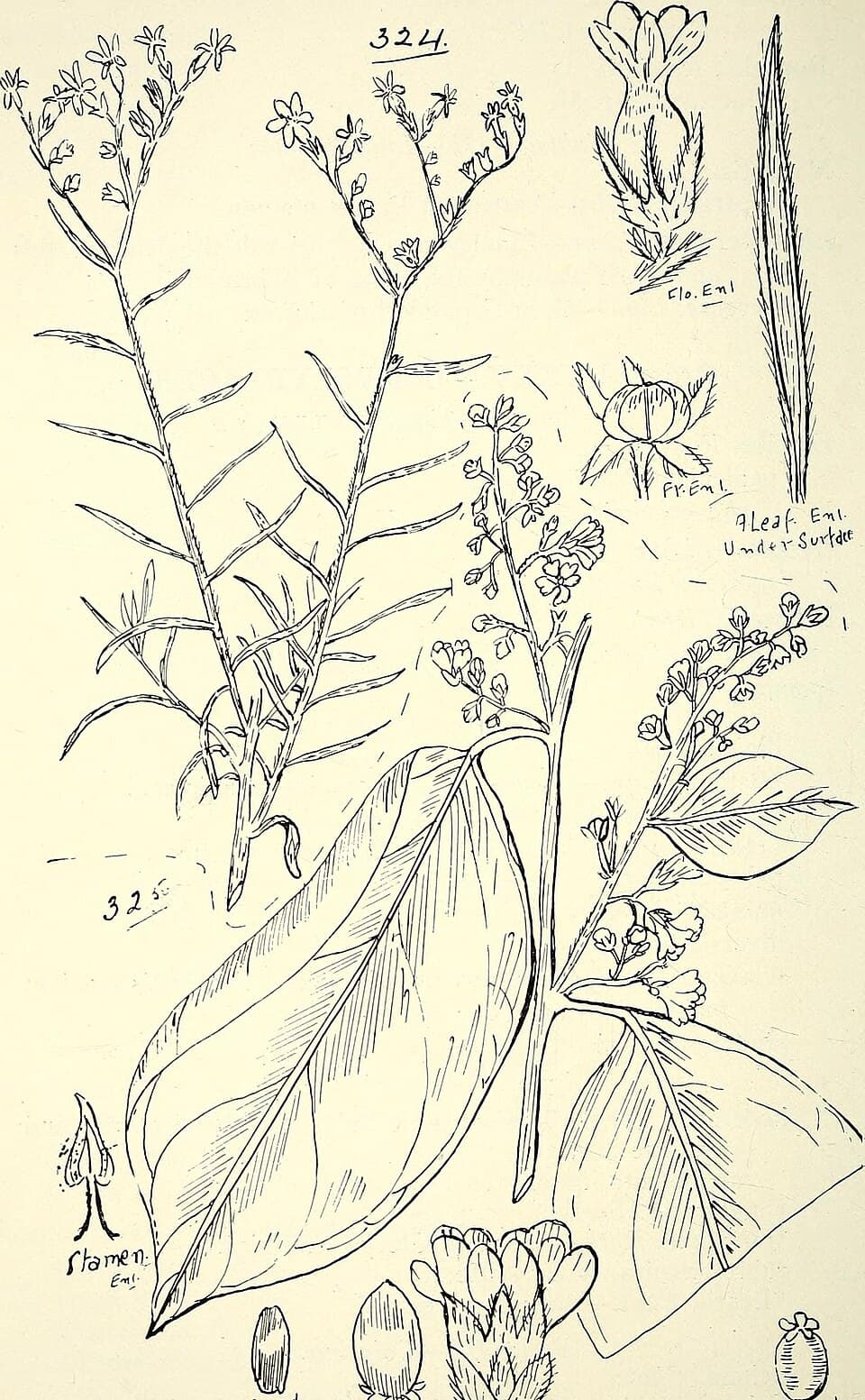
A robust shrub or small tree characterized by large, ovate to elliptic leaves with a distinctly rough (aspero) and often rugose texture. It produces terminal or axillary cymes of small, star-shaped white flowers, which develop into clusters of spherical green berries that mature to yellow or orange.